 EN
EN
 AR
AR
 BG
BG
 HR
HR
 CS
CS
 DA
DA
 NL
NL
 FI
FI
 FR
FR
 DE
DE
 EL
EL
 IT
IT
 JA
JA
 KO
KO
 NO
NO
 PL
PL
 PT
PT
 RO
RO
 RU
RU
 ES
ES
 SV
SV
 TL
TL
 IW
IW
 ID
ID
 SR
SR
 SK
SK
 UK
UK
 VI
VI
 SQ
SQ
 HU
HU
 TH
TH
 TR
TR
 MS
MS
 GA
GA
 CY
CY
 IS
IS
 HY
HY
 AZ
AZ
 KA
KA

What Features Make a Camping Kettle Suitable for Remote Environments?
When venturing into remote wilderness areas where modern conveniences are absent, choosing the right camping kettle becomes crucial for safe hydration and meal preparation. Remote environments present unique challenges including extreme temperatures, limited fuel availability, unpredictable weather conditions, and the need for equipment that can withstand harsh treatment while delivering reliable performance. Understanding which features make a camping kettle truly suitable for these demanding conditions helps outdoor enthusiasts make informed decisions that could impact their safety and comfort in the backcountry.
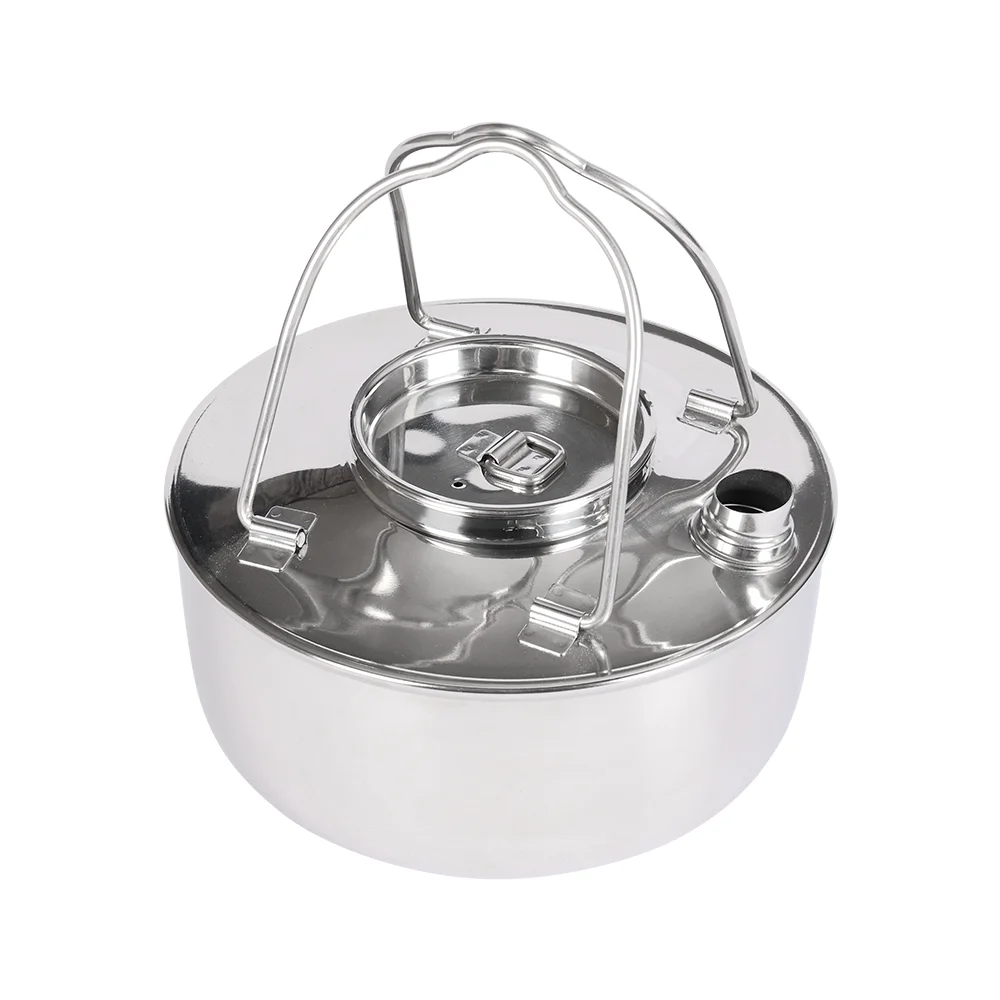
A high-quality camping kettle designed for remote use must incorporate multiple specialized features that address the specific demands of wilderness environments. These features range from material composition and heat distribution properties to structural design elements that enhance durability and functionality. The most effective camping kettle options for remote environments integrate advanced engineering principles with practical outdoor utility, ensuring reliable performance when standard infrastructure and backup options are unavailable.
Material Construction and Durability Requirements
Advanced Stainless Steel Composition
The material foundation of a camping kettle determines its performance in remote environments where equipment failure is not an option. High-grade stainless steel, particularly 304 or 316 grades, provides exceptional resistance to corrosion, thermal shock, and mechanical stress. These steel alloys maintain structural integrity across extreme temperature ranges, from sub-zero conditions to intense heat exposure, making them ideal for unpredictable remote environments where weather conditions can change rapidly.
Stainless steel camping kettles offer superior longevity compared to aluminum alternatives, resisting dents, scratches, and chemical reactions that could compromise safety or functionality. The non-reactive nature of quality stainless steel ensures that water heated in the camping kettle remains free from metallic tastes or contamination, which is particularly important in remote areas where water sources may already contain natural minerals or require treatment.
The thickness of the stainless steel construction directly impacts both durability and heat distribution performance. Camping kettles designed for remote use typically feature reinforced bottoms and sidewalls that can withstand impacts from rocks, rough handling during transport, and thermal stress from open flame heating. This robust construction ensures that the camping kettle continues functioning even when subjected to the inevitable rough treatment that occurs during extended wilderness expeditions.
Impact Resistance and Structural Integrity
Remote environments demand camping kettle construction that can survive drops, impacts, and compression forces encountered during backcountry travel. The structural design must incorporate engineering principles that distribute stress loads effectively, preventing catastrophic failure points that could render the camping kettle unusable when replacement is impossible.
Reinforced handle attachment points represent critical structural elements in remote-use camping kettles. These connection points experience significant stress during lifting, pouring, and transport operations, requiring specialized welding or mechanical fastening techniques that maintain integrity under repeated loading cycles. Quality camping kettle designs feature multiple redundant attachment methods or integrated construction that eliminates weak points entirely.
The base construction of a camping kettle must withstand direct contact with various heat sources including wood fires, portable stoves, and improvised heating methods common in remote environments. Flat, stable bottom surfaces with adequate thickness prevent warping and hot spot formation that could lead to uneven heating or structural failure during critical use situations.
Heat Transfer Efficiency and Fuel Conservation
Optimized Bottom Surface Design
Efficient heat transfer becomes critically important in remote environments where fuel conservation directly impacts expedition duration and safety margins. A camping kettle designed for remote use must maximize heat absorption and distribution while minimizing energy requirements for water heating operations. The bottom surface design plays a fundamental role in achieving these performance objectives.
Advanced camping kettle designs incorporate heat exchanger principles through specialized bottom surface geometries that increase contact area with heat sources. Textured or channeled bottom surfaces capture and retain heat more effectively than smooth surfaces, reducing the time and fuel required to reach target temperatures. This efficiency becomes particularly valuable when carrying limited fuel supplies or relying on gathered biomass for heating.
The thermal mass characteristics of the camping kettle bottom must balance rapid heating with heat retention properties. Thicker bottom construction provides thermal stability and even heat distribution, preventing localized overheating that could damage the kettle or create unsafe operating conditions. However, excessive thickness increases weight and thermal inertia, requiring careful engineering optimization for remote use applications.
Multi-Source Heat Compatibility
Remote environments often require adaptability to various heat sources depending on available resources and conditions. A versatile camping kettle must function effectively with wood fires, portable gas stoves, alcohol burners, and even emergency heat sources like candles or fuel tablets. This compatibility requires design features that accommodate different flame patterns, heat intensities, and contact methods.
The camping kettle base must provide stability across different support surfaces, from uneven rock formations to portable stove grates of varying sizes. Wide, flat bottom designs with low centers of gravity reduce tipping risks when using improvised heating setups common in remote locations. Additionally, the bottom surface should resist thermal shock when transitioning between different heat source types or intensities.
Heat distribution characteristics become especially important when using uneven heat sources like wood fires, where flame distribution may be irregular. Quality camping kettle construction incorporates thermal spreading elements that distribute localized heat inputs across the entire bottom surface, preventing hot spots that could cause rapid boiling in some areas while leaving other portions barely warm.
Capacity and Weight Optimization
Volume-to-Weight Ratio Considerations
The relationship between water capacity and total weight represents a critical design parameter for camping kettle selection in remote environments. Every ounce of equipment weight impacts mobility, energy expenditure, and overall expedition feasibility, making capacity optimization essential for extended wilderness travel. Effective camping kettle designs maximize useful volume while minimizing structural weight through advanced materials and engineering techniques.
Standard camping kettle capacities range from single-serving 0.5-liter models to group-sized 2-liter versions, with the optimal choice depending on expedition size, duration, and water availability. Remote environment considerations often favor mid-range capacities that balance individual portability with group efficiency, typically in the 1.0 to 1.5-liter range for most applications.
Wall thickness optimization represents a key engineering challenge in camping kettle design, requiring sufficient structural strength without excessive weight penalties. Advanced manufacturing techniques allow precise control over material distribution, creating thicker sections where strength is needed while maintaining minimum thickness in less critical areas. This selective reinforcement approach maximizes the strength-to-weight ratio essential for remote use equipment.
Packability and Transport Features
Remote environment travel often involves constrained packing space and weight limitations that demand careful equipment selection. A camping kettle designed for remote use must integrate efficiently with other gear while maintaining easy access for frequent use. Nestable designs that accommodate cups, small pots, or fuel canisters inside the kettle volume maximize space efficiency without compromising functionality.
Handle design significantly impacts both packing efficiency and operational safety for camping kettles in remote environments. Folding or removable handles reduce packed dimensions while providing secure grip surfaces during use. The handle attachment mechanism must lock securely to prevent accidental folding during operation, which could result in serious burns or equipment damage in remote locations where medical attention is unavailable.
Some advanced camping kettle designs incorporate modular features that allow the kettle to serve multiple functions, reducing overall equipment requirements for remote expeditions. These multi-purpose capabilities might include serving as a pot for cooking, a bowl for eating, or even a signaling device in emergency situations, providing additional value beyond basic water heating functionality.
Safety and Control Features
Handle Design and Heat Protection
Safe operation becomes paramount in remote environments where medical assistance is unavailable and equipment failure could create life-threatening situations. The handle design of a camping kettle must provide secure grip control while protecting users from burns and accidental contact with hot surfaces. Advanced handle materials and configurations incorporate multiple safety principles to minimize injury risks during critical operations.
Heat-resistant handle materials such as silicone, specialized plastics, or insulated metal construction prevent heat transfer from the kettle body to the user's hands. The handle length and angle must provide adequate distance from heat sources while maintaining comfortable grip positions for various hand sizes and grip strengths. Some camping kettle designs feature dual handle systems that distribute weight load and provide backup security if one handle fails.
Grip texture and ergonomic shaping become especially important when hands may be cold, wet, or wearing gloves in remote environment conditions. Non-slip surface treatments and shaped grip areas ensure secure control even under adverse handling conditions. The handle attachment points must resist loosening over time and temperature cycling, maintaining safe operation throughout extended use periods.
Pour Control and Spill Prevention
Precise pouring control prevents dangerous spills and conserves heated water in remote environments where every drop may be precious. A well-designed camping kettle incorporates spout geometry and flow control features that enable accurate pouring into various containers without splashing or waste. The spout design must function effectively across different tilt angles and pouring speeds required for various applications.
Lid security systems prevent accidental opening during transport or handling, which could result in scalding injuries or water loss. Secure lid mechanisms must operate reliably even when the camping kettle is hot, dirty, or handled with gloved hands. Some designs incorporate safety latches or locking features that require deliberate action to open, preventing accidental exposure to hot contents.
Steam release features allow pressure equalization during heating while preventing dangerous pressure buildup that could cause explosive lid failure. Controlled steam venting through specialized valve designs or lid geometries maintains safe internal pressures while indicating when contents reach target temperatures. These features become especially important at high altitudes where reduced atmospheric pressure affects boiling characteristics.
Environmental Resistance and Longevity
Weather and Element Protection
Remote environments expose camping kettles to harsh weather conditions including rain, snow, wind, and intense solar radiation that can degrade materials and affect functionality over time. Durable surface treatments and material selection must resist these environmental factors while maintaining performance characteristics throughout extended exposure periods.
Corrosion resistance becomes critical when camping kettles are exposed to moisture, salt air, or acidic conditions found in various remote environments. Stainless steel construction provides inherent corrosion resistance, but additional protective coatings or surface treatments may enhance longevity in particularly aggressive environments. The resistance to galvanic corrosion when in contact with other metals prevents degradation that could compromise structural integrity.
UV resistance prevents degradation of non-metallic components such as handles, gaskets, or decorative elements that could fail after prolonged sun exposure. Quality camping kettle designs minimize the use of UV-sensitive materials or incorporate UV-stabilized formulations that maintain properties despite intense solar radiation exposure common at high altitudes or in desert environments.
Maintenance and Field Serviceability
The ability to maintain and repair a camping kettle in remote locations extends its useful life and prevents expedition failures due to equipment breakdown. Simple, robust designs with minimal moving parts reduce maintenance requirements while ensuring that necessary maintenance can be performed with basic tools and supplies available in wilderness settings.
Cleaning ease directly impacts both hygiene and equipment longevity in remote environments where water for cleaning may be limited and harsh detergents unavailable. Smooth interior surfaces without crevices or joints prevent bacteria growth and facilitate thorough cleaning with minimal water usage. Some camping kettle designs incorporate wide openings or removable components that enable complete interior access for thorough cleaning and inspection.
Field repair capabilities allow expedition members to address minor damage or wear issues before they become major failures. Camping kettles designed for remote use should accommodate temporary repairs using common expedition supplies like duct tape, wire, or epoxy compounds. Simple mechanical fastening systems that can be tightened or adjusted with basic tools extend operational life in demanding conditions.
FAQ
What capacity camping kettle is best for solo remote expeditions?
For solo remote expeditions, a camping kettle with 1.0 to 1.2-liter capacity provides optimal balance between weight, functionality, and water volume needs. This size accommodates personal hydration requirements, hot beverages, and basic food preparation while remaining lightweight enough for extended backpacking. The capacity allows for heating enough water for rehydrating meals, making hot drinks, and maintaining some reserve for emergency situations without excessive weight penalties that could impact mobility in challenging remote terrain.
How do I determine if a camping kettle can handle extreme temperature variations?
A camping kettle suitable for extreme temperature variations should be constructed from high-grade stainless steel that resists thermal shock and maintains structural integrity across temperature ranges from below freezing to boiling point and beyond. Look for specifications indicating the steel grade, thickness measurements, and temperature ratings from the manufacturer. Quality camping kettles will specify their operational temperature ranges and include testing certifications for thermal cycling performance that demonstrates reliability under repeated heating and cooling cycles common in remote environments.
Can a camping kettle work effectively with different types of portable stoves?
Yes, well-designed camping kettles feature flat, stable bottom surfaces that work effectively with various portable stove types including canister stoves, liquid fuel stoves, alcohol burners, and solid fuel tablets. The key compatibility factors include bottom surface area that matches common stove grate sizes, thermal conductivity that works with different heat output levels, and weight distribution that maintains stability on different stove configurations. Look for camping kettles with wide, flat bottoms and low centers of gravity that accommodate the varying flame patterns and heat intensities produced by different portable stove technologies.
What safety features are most important for remote environment use?
Critical safety features for remote environment camping kettle use include heat-resistant handles that prevent burns, secure lid mechanisms that won't accidentally open, controlled pour spouts that prevent dangerous spills, and robust construction that resists impact damage. Additionally, steam release features prevent dangerous pressure buildup, while ergonomic handle designs ensure secure grip control even when wearing gloves or in cold conditions. The camping kettle should also feature materials and construction that won't fail catastrophically, as equipment replacement is impossible in remote locations where safety depends on reliable gear performance.
