 EN
EN
 AR
AR
 BG
BG
 HR
HR
 CS
CS
 DA
DA
 NL
NL
 FI
FI
 FR
FR
 DE
DE
 EL
EL
 IT
IT
 JA
JA
 KO
KO
 NO
NO
 PL
PL
 PT
PT
 RO
RO
 RU
RU
 ES
ES
 SV
SV
 TL
TL
 IW
IW
 ID
ID
 SR
SR
 SK
SK
 UK
UK
 VI
VI
 SQ
SQ
 HU
HU
 TH
TH
 TR
TR
 MS
MS
 GA
GA
 CY
CY
 IS
IS
 HY
HY
 AZ
AZ
 KA
KA

Camping Cookware Materials: Which One Is Best for Outdoor Cooking?
Selecting the right camping cookware can make or break your outdoor culinary experience. Whether you're backpacking through remote wilderness or setting up a family campsite, the materials used in your camping cookware directly impact cooking performance, durability, and overall satisfaction. Understanding the pros and cons of different materials helps outdoor enthusiasts make informed decisions that align with their specific needs and cooking styles.
Modern camping cookware comes in various materials, each engineered to address specific outdoor cooking challenges. From lightweight titanium sets for ultralight backpacking to robust cast iron pieces for car camping, the material choice affects weight, heat distribution, maintenance requirements, and cooking versatility. Professional outdoor guides and seasoned campers often have strong preferences based on years of field experience with different camping cookware materials.
Stainless Steel Camping Cookware
Durability and Longevity Benefits
Stainless steel camping cookware stands out for its exceptional durability and resistance to corrosion, making it ideal for frequent outdoor use. This material withstands harsh weather conditions, accidental drops, and rough handling that commonly occurs during camping trips. High-quality stainless steel cookware maintains its structural integrity even after years of exposure to campfire heat and outdoor elements.
The longevity factor makes stainless steel camping cookware a cost-effective investment for serious outdoor enthusiasts. Unlike other materials that may degrade over time, properly maintained stainless steel pieces can last decades without showing significant wear. This durability translates to reliable performance across countless camping adventures, from weekend getaways to extended wilderness expeditions.
Heat Distribution and Cooking Performance
While stainless steel camping cookware may not heat as evenly as copper or aluminum alternatives, modern manufacturing techniques have significantly improved its thermal properties. Multi-layered bottoms incorporating aluminum or copper cores enhance heat distribution, reducing hot spots that can burn food during outdoor cooking. These design improvements make stainless steel camping cookware suitable for various cooking techniques beyond basic boiling.
The material's ability to retain heat efficiently helps maintain consistent cooking temperatures, which is particularly valuable when cooking over fluctuating campfire heat. Experienced campers appreciate how quality camping cookware made from stainless steel allows for precise temperature control and even cooking results in challenging outdoor environments.
Aluminum Camping Cookware Options
Lightweight Design Advantages
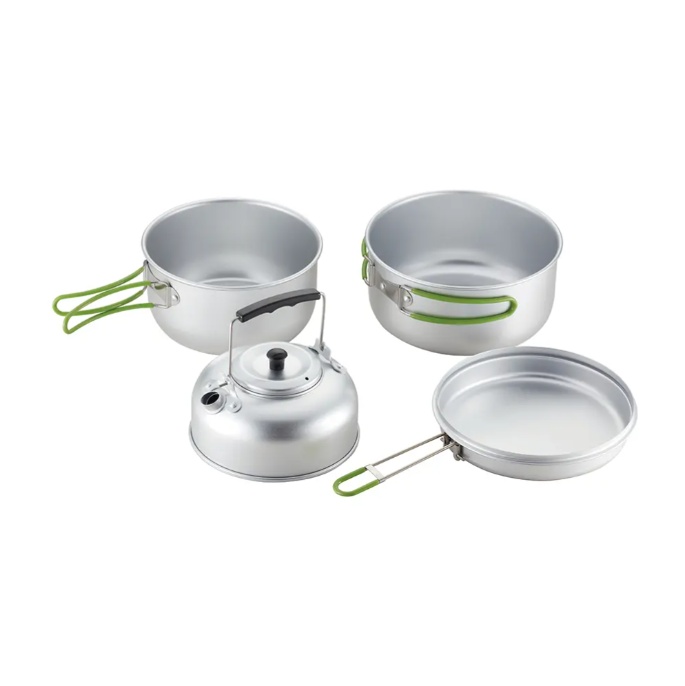
Aluminum camping cookware offers significant weight savings compared to stainless steel alternatives, making it popular among backpackers and ultralight camping enthusiasts. The material's low density allows manufacturers to create substantial cookware pieces without adding excessive weight to camping gear loads. This weight advantage becomes increasingly important during long-distance hiking or when every ounce matters in gear selection.
Modern aluminum camping cookware incorporates hard-anodized surfaces that enhance durability while maintaining the material's inherent lightness. These treatments create a harder exterior that resists scratching and wear, extending the cookware's lifespan without compromising its weight advantages. Backpackers particularly value this combination of reduced weight and improved durability in their camping cookware choices.
Thermal Conductivity Properties
Aluminum's excellent thermal conductivity makes it highly effective for rapid heating and responsive temperature changes during outdoor cooking. This property allows camping cookware made from aluminum to quickly adapt to heat source variations, whether using gas stoves, camp fires, or portable cooking systems. The fast heating capability helps conserve fuel during extended camping trips where resource management is crucial.
However, aluminum's high conductivity also means camping cookware heats and cools rapidly, requiring more attention during cooking to prevent burning or overcooking. Experienced outdoor cooks learn to leverage this responsiveness for efficient cooking while developing techniques to manage the material's quick temperature changes effectively.
Cast Iron for Outdoor Cooking
Superior Heat Retention Characteristics
Cast iron camping cookware excels in heat retention, maintaining consistent temperatures long after removal from heat sources. This property makes cast iron pieces ideal for slow-cooking techniques, braising, and maintaining food warmth during extended outdoor meals. The material's thermal mass helps stabilize cooking temperatures, reducing temperature fluctuations that can affect cooking results.
The heat retention qualities of cast iron camping cookware also contribute to energy efficiency during outdoor cooking. Once properly heated, cast iron pieces continue cooking food using stored thermal energy, reducing fuel consumption and cooking times. This efficiency becomes particularly valuable during extended camping trips where fuel conservation directly impacts trip duration and success.
Seasoning and Maintenance Requirements
Proper seasoning transforms cast iron camping cookware into naturally non-stick surfaces that improve with use over time. The seasoning process involves applying thin oil layers and heating them to create polymerized coatings that protect the iron and enhance cooking performance. Well-seasoned cast iron camping cookware develops superior release properties that rival modern non-stick coatings.
Maintaining cast iron camping cookware requires specific care techniques to prevent rust and preserve seasoning layers. Field maintenance involves thorough drying after cleaning, occasional re-seasoning, and proper storage to prevent moisture exposure. While these requirements demand more attention than other camping cookware materials, the resulting cooking performance and durability justify the additional maintenance effort for many outdoor enthusiasts.
Titanium Camping Cookware Innovation
Ultra-Lightweight Construction Benefits
Titanium represents the pinnacle of lightweight camping cookware design, offering strength comparable to steel while weighing significantly less than aluminum alternatives. This exceptional strength-to-weight ratio makes titanium camping cookware the preferred choice for serious ultralight backpackers and mountaineers where every gram matters in gear selection. The material's lightness allows for larger cookware pieces without prohibitive weight penalties.
Advanced manufacturing techniques enable titanium camping cookware to achieve wall thicknesses that balance durability with minimal weight. These engineering optimizations result in cookware pieces that withstand outdoor abuse while maintaining remarkably low weights. Professional guides and experienced backpackers often invest in titanium camping cookware for its unmatched weight savings during extended wilderness expeditions.
Corrosion Resistance and Durability
Titanium's natural corrosion resistance makes camping cookware exceptionally durable in harsh outdoor environments. The material forms a protective oxide layer that prevents rust and degradation even in saltwater environments or high-moisture conditions. This corrosion resistance ensures titanium camping cookware maintains its appearance and performance throughout years of intensive outdoor use.
The biocompatible nature of titanium eliminates concerns about metallic taste transfer or chemical leaching during food preparation. This property makes titanium camping cookware ideal for health-conscious outdoor enthusiasts who prioritize clean cooking surfaces. The material's inert characteristics ensure that flavors remain pure and unaffected by cookware interactions during outdoor meal preparation.
Non-Stick Coating Considerations
Performance in Outdoor Environments
Non-stick coatings on camping cookware provide convenient cooking and cleaning advantages, particularly valuable during outdoor adventures where washing facilities may be limited. These coatings reduce the need for excessive oils or fats during cooking, promoting healthier meal preparation while simplifying cleanup processes. Modern non-stick camping cookware incorporates durable coatings designed to withstand outdoor cooking conditions.
However, non-stick coatings require careful handling to maintain their effectiveness throughout camping trips. High temperatures from campfires can damage certain coating types, while rough handling or improper utensil use can cause premature wear. Selecting camping cookware with appropriate coating durability for intended use conditions helps maximize performance and lifespan in outdoor environments.
Longevity and Replacement Factors
The lifespan of non-stick camping cookware depends heavily on usage patterns, care practices, and coating quality. Professional-grade coatings generally offer superior durability compared to consumer-level alternatives, justifying higher initial investments for frequent outdoor use. Understanding coating limitations helps campers make informed decisions about when replacement becomes necessary for optimal cooking performance.
Replacement considerations for non-stick camping cookware should factor in coating wear patterns, performance degradation, and safety concerns related to damaged surfaces. Many outdoor enthusiasts maintain both non-stick and traditional camping cookware options to address different cooking needs and situations encountered during various camping adventures.
Material Selection for Different Camping Styles
Backpacking Weight Considerations
Ultralight backpacking demands careful weight optimization in camping cookware selection, often favoring titanium or lightweight aluminum options over heavier alternatives. Every ounce matters when carrying gear across long distances, making weight the primary factor in material choice for serious backpackers. The weight savings from appropriate camping cookware selection can accommodate additional food or safety equipment within backpack weight budgets.
Minimalist camping cookware approaches focus on multi-functional pieces that serve multiple purposes while maintaining low weights. Single-wall construction, despite reduced heat retention, often becomes acceptable trade-offs for significant weight reductions in backpacking camping cookware. These decisions reflect the specific priorities and compromises inherent in different outdoor activity styles.
Car Camping Durability Needs
Car camping allows for heavier, more robust camping cookware materials since weight constraints are less restrictive than backpacking scenarios. Stainless steel and cast iron options become viable choices when transportation limitations don't dictate material selection. This freedom enables car campers to prioritize cooking performance and durability over weight considerations in their camping cookware choices.
Family camping often benefits from larger capacity camping cookware pieces made from durable materials that withstand frequent use and washing. The ability to bring more substantial cookware pieces allows for more elaborate meal preparation and accommodates larger group sizes common in car camping situations. Durability becomes increasingly important when cookware receives heavy use during extended camping trips.
FAQ
What is the best material for camping cookware for beginners
Stainless steel camping cookware offers the best combination of durability, ease of maintenance, and reasonable weight for beginning campers. The material forgives cooking mistakes, requires minimal special care, and provides reliable performance across various outdoor cooking situations. New campers benefit from stainless steel's straightforward maintenance requirements while learning outdoor cooking techniques.
How do I choose between aluminum and titanium camping cookware
Choose aluminum camping cookware for budget-conscious purchases where moderate weight savings matter, while selecting titanium for maximum weight reduction when cost is secondary to performance. Aluminum offers good thermal conductivity and reasonable durability at lower prices, while titanium provides superior strength-to-weight ratios with premium pricing. Consider your camping frequency, budget, and weight priorities when deciding between these camping cookware materials.
Can cast iron camping cookware work for backpacking trips
Cast iron camping cookware works for short backpacking trips where weight isn't critical, but becomes impractical for longer treks due to weight penalties. Some ultralight cast iron pieces exist for specific cooking applications, though they compromise the material's traditional heat retention advantages. Most backpackers reserve cast iron camping cookware for car camping situations where weight restrictions don't apply.
How do I maintain different camping cookware materials in the field
Maintain stainless steel and titanium camping cookware through thorough cleaning and complete drying, while aluminum requires gentler handling to preserve anodized surfaces. Cast iron camping cookware needs immediate drying and occasional oil treatments to prevent rust formation. Non-stick camping cookware demands careful utensil selection and temperature control to preserve coating integrity during outdoor use.
