 EN
EN
 AR
AR
 BG
BG
 HR
HR
 CS
CS
 DA
DA
 NL
NL
 FI
FI
 FR
FR
 DE
DE
 EL
EL
 IT
IT
 JA
JA
 KO
KO
 NO
NO
 PL
PL
 PT
PT
 RO
RO
 RU
RU
 ES
ES
 SV
SV
 TL
TL
 IW
IW
 ID
ID
 SR
SR
 SK
SK
 UK
UK
 VI
VI
 SQ
SQ
 HU
HU
 TH
TH
 TR
TR
 MS
MS
 GA
GA
 CY
CY
 IS
IS
 HY
HY
 AZ
AZ
 KA
KA

What Are the Common Applications of Camping Pots in Outdoor Settings?
Camping pots serve as essential cookware tools that enable outdoor enthusiasts to prepare nutritious meals, boil water safely, and maintain proper hydration during wilderness adventures. These versatile cooking vessels have evolved from basic metal containers into sophisticated outdoor kitchen solutions that address the unique challenges of cooking in remote environments without access to conventional kitchen facilities.
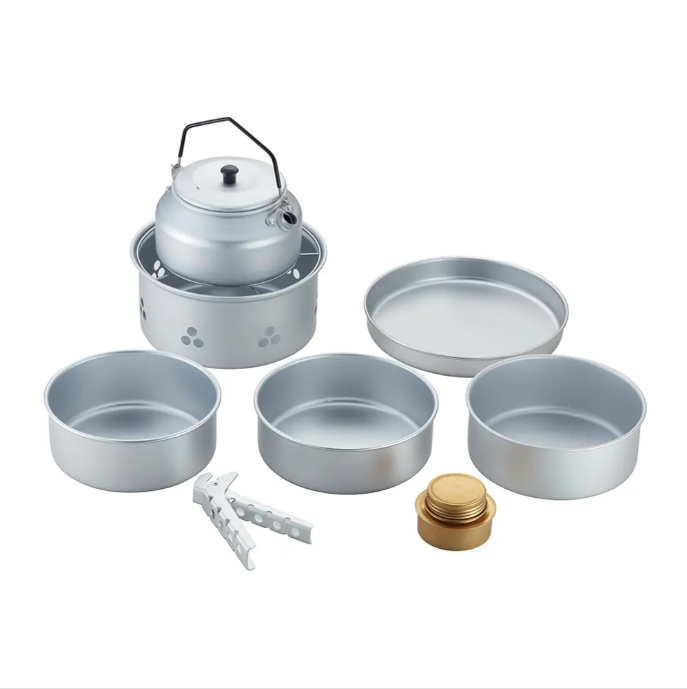
Understanding the diverse applications of camping pots helps outdoor enthusiasts select appropriate cookware for their specific adventures while ensuring they can maintain proper nutrition and safety protocols during extended periods away from civilization. From backcountry backpacking to family car camping, these specialized cooking tools adapt to various outdoor scenarios and cooking requirements.
Essential Cooking Applications in Wilderness Settings
Boiling Water for Safe Consumption
One of the most critical applications of camping pots involves purifying water from natural sources to eliminate harmful bacteria, viruses, and parasites that could cause serious illness in remote locations. Outdoor enthusiasts rely on camping pots to bring water to a rolling boil for at least one minute, effectively neutralizing most waterborne pathogens commonly found in streams, lakes, and other wilderness water sources.
The water purification process using camping pots becomes particularly important during multi-day backpacking trips where carrying sufficient clean water proves impractical due to weight constraints. Hikers and campers utilize their camping pots to collect water from approved sources and apply heat treatment as a reliable sterilization method that requires no additional chemical treatments or filtration equipment.
Emergency preparedness scenarios also depend heavily on camping pots for water purification when conventional water systems fail or become compromised. The ability to quickly boil questionable water using portable camping stoves and camping pots provides a crucial safety net for outdoor adventurers facing unexpected situations or extended wilderness exposure.
Preparing Hot Meals and Beverages
Camping pots enable the preparation of warming, nutritious meals that boost morale and provide essential calories during physically demanding outdoor activities. These cooking vessels accommodate various meal preparation techniques including simmering soups, cooking pasta, preparing rice dishes, and creating hearty stews that deliver the energy needed for hiking, climbing, and other strenuous outdoor pursuits.
Hot beverage preparation represents another vital application where camping pots excel in outdoor environments. Coffee, tea, hot chocolate, and warming broths provide comfort and thermal regulation during cold weather conditions while delivering caffeine and nutrients that support sustained outdoor performance and mental alertness.
The versatility of camping pots allows for creative meal solutions that transform basic ingredients into satisfying outdoor dining experiences. Experienced campers develop efficient cooking techniques that maximize flavor while minimizing fuel consumption and cleanup requirements in wilderness settings.
Food Sterilization and Safety Protocols
Camping pots play a crucial role in maintaining food safety standards during outdoor adventures by providing the means to thoroughly cook potentially hazardous ingredients and eliminate foodborne pathogens. Proper cooking temperatures achieved through camping pots ensure that meats, eggs, and other perishable items reach safe internal temperatures that prevent food poisoning in remote locations where medical assistance may be hours or days away.
The application extends to reheating previously cooked foods that may have been stored in coolers or food storage systems during extended camping trips. Camping pots allow outdoor enthusiasts to restore these items to safe serving temperatures while maintaining palatability and nutritional value throughout multi-day adventures.
Sterilization applications also include cleaning cooking utensils and food preparation surfaces using boiling water produced in camping pots. This practice becomes essential for maintaining sanitary conditions in outdoor kitchens where conventional dishwashing facilities are unavailable and cross-contamination risks must be actively managed.
Specialized Applications for Different Outdoor Activities
Backpacking and Lightweight Camping
Ultralight backpacking applications require camping pots that minimize weight while maximizing cooking efficiency for solo travelers and small groups covering significant distances on foot. These specialized camping pots feature thin walls, compact nesting designs, and materials that provide excellent heat transfer characteristics while maintaining structural integrity under demanding field conditions.
Long-distance hikers utilize camping pots for rapid meal preparation that conserves precious fuel supplies carried in lightweight backpacking stoves. The cooking process focuses on simple, high-calorie meals that require minimal preparation time and cleanup procedures to support aggressive daily mileage goals and early morning departure schedules.
Solo camping applications emphasize portion control and efficient cooking techniques that maximize nutritional density while minimizing food weight and packaging waste. Individual camping pots designed for single-person use provide optimal cooking capacity for dehydrated meals, instant foods, and simple ingredient combinations that fuel sustained outdoor performance.
Family and Group Camping Scenarios
Large group camping applications require camping pots with substantial capacity to accommodate multiple people while maintaining reasonable cooking times and fuel efficiency. Family camping scenarios often involve preparing traditional meals that require multiple cooking stages, ingredient combinations, and serving coordination that challenges smaller camping pots designed for individual use.
Car camping environments allow for larger, heavier camping pots that provide restaurant-quality cooking capabilities in outdoor settings. These applications support elaborate meal planning, fresh ingredient usage, and cooking techniques that closely resemble home kitchen experiences while maintaining the adventure aspect of outdoor dining.
Group meal preparation using larger camping pots enables cost-effective food planning and social dining experiences that build camaraderie among camping participants. Shared cooking responsibilities and communal meals become focal points for group bonding while ensuring everyone receives adequate nutrition during outdoor adventures.
Emergency and Survival Applications
Emergency preparedness scenarios rely on camping pots as essential survival tools that provide cooking capabilities when conventional kitchen facilities become unavailable due to natural disasters, power outages, or other emergency situations. These applications require robust, reliable camping pots that function effectively with alternative fuel sources and improvised heating systems.
Survival training programs incorporate camping pots into essential equipment lists for wilderness emergency scenarios where individuals must sustain themselves using minimal resources and improvised techniques. The ability to cook foraged foods, purify questionable water sources, and maintain thermal regulation through hot food preparation can prove critical for survival in extreme situations.
Search and rescue operations utilize camping pots to support extended field operations where rescue teams must maintain operational effectiveness while working in remote locations for extended periods. These professional applications require durable, efficient cooking systems that support team nutrition and morale during demanding rescue missions.
Seasonal and Environmental Adaptations
Cold Weather and Winter Camping
Winter camping applications place unique demands on camping pots that must perform effectively in sub-freezing temperatures while providing essential hot food and beverages that support thermal regulation and prevent hypothermia. Cold weather camping requires specialized techniques for managing frozen ingredients, preventing pot freezing, and maintaining cooking efficiency in challenging environmental conditions.
Snow melting represents a critical application where camping pots convert available snow and ice into drinking water and cooking liquid during winter outdoor adventures. This process requires understanding proper snow-to-water ratios, melting techniques that prevent scorching, and fuel management strategies that account for increased cooking times in cold conditions.
High-altitude winter camping applications must account for reduced atmospheric pressure that affects boiling points and cooking times when using camping pots at elevation. Experienced winter campers adjust their cooking techniques and ingredient preparation methods to compensate for these environmental factors while maintaining food safety and nutritional goals.
Hot Weather and Desert Camping
Desert camping applications require camping pots that manage extreme heat conditions while providing essential hydration and nutrition support in arid environments. Hot weather camping emphasizes efficient cooking techniques that minimize additional heat generation while ensuring adequate fluid intake through prepared beverages and hydrating foods.
Water conservation becomes critical in desert environments where camping pots must maximize cooking efficiency while minimizing water usage for food preparation and cleanup procedures. Experienced desert campers develop techniques for steam cooking, minimal-water meal preparation, and efficient cleaning methods that preserve precious water supplies.
Heat management applications involve using camping pots during cooler morning and evening periods while avoiding midday cooking that adds unnecessary thermal load to camping environments. Strategic meal timing and food preparation schedules help maintain comfort and safety during hot weather camping adventures.
Maintenance and Care Applications
Cleaning and Sanitation Protocols
Proper maintenance of camping pots requires understanding field cleaning techniques that preserve cooking surface integrity while maintaining sanitary conditions in outdoor environments. Effective cleaning applications utilize available water sources, biodegradable soaps, and scrubbing techniques that remove food residue without damaging protective coatings or surface finishes.
Sanitization applications involve using camping pots to produce boiling water for cleaning other cooking equipment, utensils, and food preparation surfaces. This process creates a comprehensive sanitation system that reduces disease transmission risks and maintains food safety standards throughout extended camping trips.
Long-term care applications include proper storage techniques, corrosion prevention measures, and periodic deep cleaning procedures that extend the service life of camping pots while maintaining optimal cooking performance. Understanding material-specific care requirements helps outdoor enthusiasts protect their investment in quality camping cookware.
Field Repair and Improvisation
Emergency repair applications teach outdoor enthusiasts to address common camping pot damage including dents, loose handles, and minor structural issues using field-available materials and basic tools. These skills prove invaluable during extended wilderness trips where equipment failure could compromise cooking capabilities and food safety.
Improvisation applications demonstrate how camping pots can serve multiple functions beyond cooking including water storage, food storage, signaling devices, and shelter construction components. Versatile thinking and creative problem-solving enable camping pots to address unexpected challenges and equipment failures during outdoor adventures.
Preventive maintenance applications focus on daily inspection routines, proper handling techniques, and storage methods that minimize damage risks and extend equipment lifespan. Proactive care ensures camping pots remain reliable cooking tools throughout demanding outdoor use and challenging environmental conditions.
FAQ
What size camping pot is best for different group sizes?
Solo campers typically require 0.5-1 liter capacity camping pots, while couples need 1-2 liter sizes, and groups of 3-6 people should consider 2-4 liter camping pots. Large family groups or base camp cooking may require multiple pots or specialized large-capacity systems exceeding 4 liters to accommodate diverse meal preparation needs.
How do camping pots perform at high altitude locations?
Camping pots require longer cooking times at high altitude due to reduced atmospheric pressure that lowers water boiling points. At 8,000 feet elevation, water boils at approximately 197°F instead of 212°F, requiring extended cooking periods and adjusted fuel planning for proper food preparation and water sterilization applications.
Can camping pots be used on different types of camping stoves?
Most camping pots work effectively with canister stoves, liquid fuel stoves, and wood-burning stoves, though optimal performance depends on pot bottom design and heat distribution characteristics. Flat-bottomed camping pots provide superior heat transfer efficiency, while some specialized stove systems require compatible pot designs for optimal fuel consumption and cooking performance.
What materials offer the best performance for camping pot applications?
Stainless steel camping pots provide excellent durability and corrosion resistance for diverse outdoor applications, while aluminum options offer superior heat transfer and lightweight characteristics for backpacking. Titanium camping pots deliver ultimate weight savings and strength for ultralight applications, though they require careful heat management to prevent hot spots and uneven cooking.
