 EN
EN
 AR
AR
 BG
BG
 HR
HR
 CS
CS
 DA
DA
 NL
NL
 FI
FI
 FR
FR
 DE
DE
 EL
EL
 IT
IT
 JA
JA
 KO
KO
 NO
NO
 PL
PL
 PT
PT
 RO
RO
 RU
RU
 ES
ES
 SV
SV
 TL
TL
 IW
IW
 ID
ID
 SR
SR
 SK
SK
 UK
UK
 VI
VI
 SQ
SQ
 HU
HU
 TH
TH
 TR
TR
 MS
MS
 GA
GA
 CY
CY
 IS
IS
 HY
HY
 AZ
AZ
 KA
KA

How to Keep a Mess Tin Clean and Ready for Heavy Use?
Whether you are heading out on a multi-day hiking expedition, running a field kitchen for a group, or simply relying on a durable cook set for outdoor adventures, a mess tin is one of the most dependable tools you can carry. Its compact design, versatile cooking capability, and lightweight construction make it a staple for campers, hikers, military personnel, and outdoor enthusiasts alike. But with regular, heavy use comes the inevitable challenge of keeping it clean, hygienic, and functionally ready for the next meal.
Maintaining a mess tin properly is not just about appearances. A well-maintained mess tin performs better, lasts longer, and keeps your food safe from contamination caused by residue buildup or oxidation. This guide walks you through exactly how to clean, maintain, and prepare your mess tin for continuous heavy use — from initial seasoning to deep field cleaning and long-term storage care.
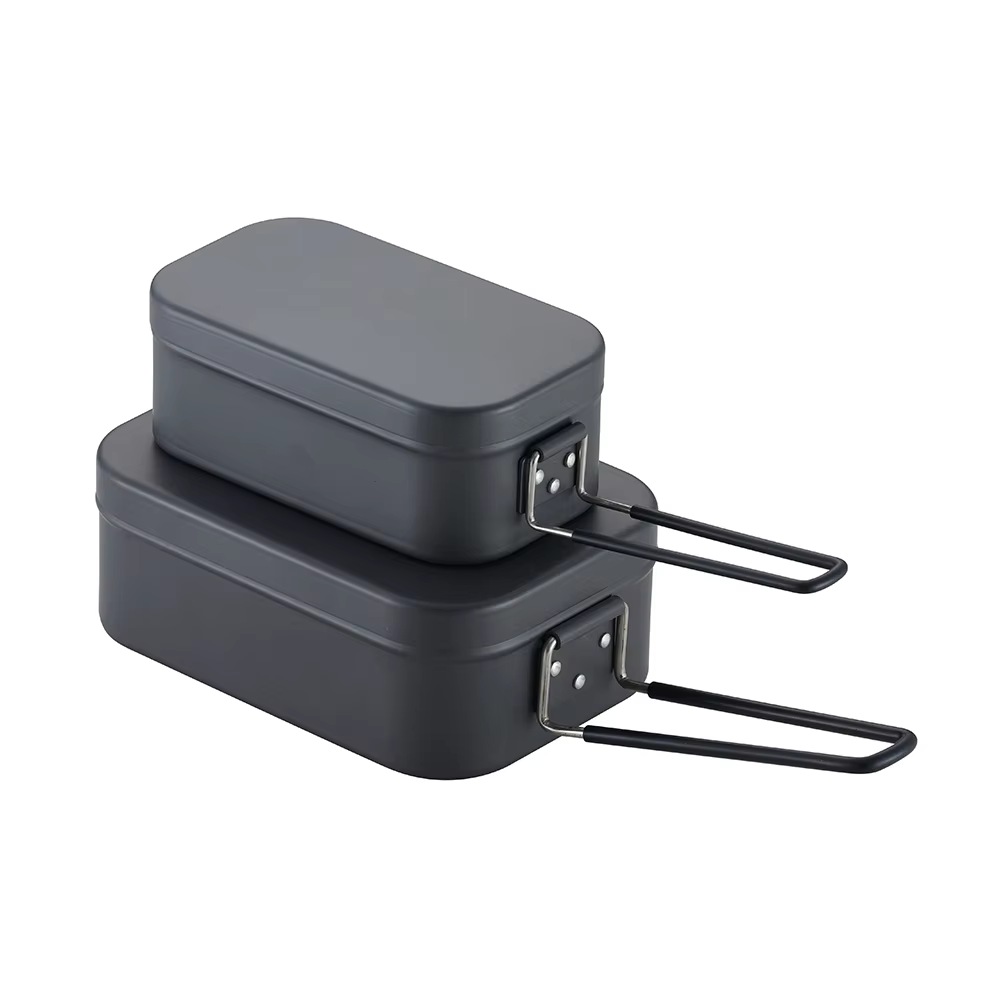
Understanding Your Mess Tin Before You Begin
Material Composition and Why It Matters
Most high-quality outdoor mess tins are manufactured from aluminium, which offers an ideal balance of weight, heat conductivity, and durability. Understanding your mess tin material is the first step to maintaining it correctly. Aluminium is reactive to certain cleaning agents and acidic foods, which means that incorrect cleaning methods can degrade the surface over time.
Some mess tins come with an anodized or coated interior surface, which adds a layer of non-reactive protection. These versions may require slightly different care than bare aluminium models. Always check whether your mess tin has a coated interior before applying any abrasive cleaning approach. Treating a coated surface with harsh scrubbing pads can strip that protective layer and reduce its effectiveness significantly.
Understanding these distinctions helps you select the right cleaning tools and methods from the start. When you match your cleaning technique to your mess tin material, you reduce the risk of damage, surface corrosion, and food contamination simultaneously.
How Heavy Use Affects Your Mess Tin Over Time
Heavy use introduces a variety of challenges that occasional campers rarely encounter. Repeated exposure to open flames, camp stoves, and varying heat intensities can discolor the exterior of a mess tin and create carbonized residue on the base. This carbon buildup, if left untreated, can affect heat distribution and make future cleaning significantly harder.
Inside the tin, oil residue from repeated cooking sessions can turn rancid if not fully removed, especially in warm outdoor conditions. Food particles trapped in corners or around rivets can harbor bacteria over time. For those using a mess tin in demanding conditions — extended treks, military training exercises, or group camp cooking — these effects accelerate quickly without proper maintenance habits in place.
Recognizing the cumulative impact of heavy use motivates consistent cleaning routines rather than waiting until the mess tin shows obvious signs of wear or contamination. Prevention is always far more effective than trying to restore a heavily neglected cook set.
Immediate Post-Meal Cleaning Techniques in the Field
The Importance of Cleaning Right Away
One of the most effective habits you can adopt is cleaning your mess tin immediately after each use. When food residue is still warm and soft, it wipes away with minimal effort. Allowing it to cool and harden means that what could have been a thirty-second rinse becomes a ten-minute scrubbing session — and even then, residue may remain embedded in the surface.
In a field setting where hot water is limited, start by using a small amount of boiled water to loosen cooked-on particles inside your mess tin. Swirl the hot water vigorously, then pour it out. A folded piece of paper or a natural fiber cloth can then wipe away the majority of residue without requiring soap. This technique, known as the boil-out method, is practiced widely by experienced campers and military personnel for its practicality and efficiency.
Timing your cleaning to coincide with post-meal routines — while your camp stove is still warm and water is readily available — helps build the habit and significantly reduces the effort needed per session. A consistently cleaned mess tin is a functional mess tin, ready to perform at its best for the next use.
Minimal Tools That Deliver Maximum Cleanliness
When carrying your gear in a pack, weight and space are always at a premium. The good news is that keeping your mess tin clean in the field does not require a full kit of cleaning supplies. A compact scrubbing pad, a small biodegradable soap packet, and a microfiber cloth are typically all you need for effective field maintenance.
Avoid steel wool or overly abrasive pads on aluminium surfaces, as they create micro-scratches that trap food particles and can accelerate oxidation. A soft-to-medium nylon scrub pad is the ideal choice for the interior of your mess tin. For stubborn cooked-on residue, a small amount of coarse salt combined with a few drops of cooking oil acts as a natural abrasive that cleans effectively without damaging the surface.
For the exterior, particularly the base that contacts flames, a rougher scrub can be used more confidently since aesthetics matter less than function. Removing carbon deposits from the base of your mess tin helps maintain even heat distribution, which directly affects cooking performance across every subsequent meal.
Deep Cleaning Your Mess Tin After Extended Trips
What a Thorough Post-Trip Clean Involves
After returning from an extended outdoor trip, your mess tin deserves a more thorough cleaning than what is achievable in the field. This deep clean is designed to address any residue that was missed during field maintenance, eliminate any rancid oil layers, and restore the tin's interior surface to a hygienic baseline before the next use or storage period.
Fill your mess tin with warm water and add a few drops of biodegradable dish soap. Allow it to soak for ten to fifteen minutes, which softens even the most stubborn residue. Use a soft brush or nylon pad to scrub the interior thoroughly, paying special attention to the edges, corners, and any rivet points where buildup tends to concentrate. Rinse the tin multiple times to ensure no soap residue remains, as leftover detergent can affect the flavor of food cooked in future sessions.
If you notice a dull grey oxidation layer developing on the interior, a mild solution of warm water and white vinegar applied briefly and then rinsed away can restore a cleaner surface finish. Avoid prolonged vinegar contact with aluminium, however, as extended exposure can react with the metal and cause minor surface pitting over time.
Dealing With Stubborn Carbon Buildup on the Exterior
The exterior base of a mess tin used over open flames or camp stoves will inevitably accumulate carbon deposits. These are not merely cosmetic issues. Thick carbon layers can create hotspots during cooking and make it harder to achieve even, controlled heating. Addressing this buildup as part of your post-trip deep clean keeps your mess tin performing consistently.
A paste made from baking soda and a small amount of water, applied to the base and left to sit for fifteen minutes, helps lift carbon deposits effectively. Scrubbing with a medium-stiffness brush or a non-scratch scouring pad then removes the loosened material. Rinse well and dry completely. For extremely heavy carbon accumulation from months of intensive use, a brief soaking in a diluted baking soda solution before scrubbing can make the process much less labor-intensive.
After deep cleaning the exterior, inspect the base of your mess tin for any structural changes such as warping or uneven spots that could affect its stability on a stove. Catching these issues early lets you address them before they compound into more significant functional problems during your next outdoor trip.
Seasoning and Conditioning Your Mess Tin for Ongoing Performance
The Role of Seasoning in a Mess Tin's Longevity
Seasoning is a technique long associated with cast iron cookware, but it is equally beneficial for aluminium mess tins — particularly bare, uncoated models. Applying a thin layer of food-safe oil to the interior of your mess tin and heating it gently creates a microscopic protective layer that reduces reactivity, minimizes sticking during cooking, and helps prevent oxidation over time.
To season your mess tin, begin with a thoroughly cleaned and completely dry surface. Apply a very thin film of neutral cooking oil — such as vegetable or flaxseed oil — to the interior using a cloth or paper towel. Heat the tin gently over a low flame or in an oven at moderate temperature for several minutes until the oil polymerizes into the surface. Allow it to cool, then wipe away any excess oil with a clean cloth.
Repeating this seasoning process periodically, especially after deep cleaning or extended storage, keeps your mess tin in optimal condition. A well-seasoned tin will show a subtle darkening of its interior surface over time — a sign that the protective layer is developing and strengthening with each use cycle.
Conditioning the Lid and Handles
The lid and handles of a mess tin are often overlooked during cleaning and conditioning routines, yet they are critical to the tin's overall performance and safety. Lids that become warped or corroded fit poorly, leading to steam loss during cooking and increased risk of burns. Handles that loosen over time can make the tin unsafe to handle when hot.
After cleaning, inspect the lid for signs of warping by placing it on a flat surface. Any rocking motion suggests deformation that may need to be carefully corrected or noted for replacement. For folding or pivoting handles, check that the pivot points move freely and that the locking mechanisms engage securely. A small drop of food-safe oil applied to the pivot can prevent stiffening in cold outdoor conditions.
Keeping the full assembly — tin, lid, and handles — in consistent good condition ensures that your mess tin functions as a complete, reliable cooking and eating system during heavy use rather than becoming a liability in demanding field situations.
Storage Practices That Preserve Readiness Between Uses
How to Store Your Mess Tin Correctly
Proper storage is one of the most underestimated factors in keeping a mess tin ready for heavy use. Many people clean their tin thoroughly and then store it in conditions that undermine all that maintenance effort. Moisture is the primary enemy during storage, as it promotes oxidation and can create that chalky white residue common to improperly stored aluminium equipment.
Always ensure your mess tin is completely dry before storing. After washing, dry the tin with a clean cloth and then allow it to air-dry in an open position for at least an hour before packing it away. Storing a damp mess tin in a sealed bag or enclosed pack significantly accelerates surface degradation, even over relatively short periods between trips.
Store your mess tin in a breathable mesh bag or a dry, well-ventilated space rather than sealed in plastic. If nesting multiple items inside the tin for compact packing, place a clean cloth between the tin and its contents to prevent scratching and allow some air circulation. These small habits make a significant difference in how your mess tin presents and performs when you unpack it at the start of your next adventure.
Long-Term Storage for Seasonal or Intermittent Users
If your mess tin will not be used for an extended period — such as between camping seasons — take a few extra steps to protect it during that downtime. After a final thorough deep clean, apply a light coating of food-safe oil to the interior and ensure the tin is fully dry before storing. This oil layer creates a temporary protective barrier against moisture and atmospheric oxidation.
Keep the stored mess tin in a cool, dry environment away from direct sunlight and humidity. Avoid storing aluminium equipment near strongly acidic or alkaline chemicals, cleaning products, or industrial solvents, as vapors from these substances can react with the metal surface over time. When you retrieve your mess tin for the next season, inspect it for any oxidation spots, wash it once with mild soap, apply a fresh seasoning layer, and it will be ready to perform as if it were new.
For users who carry a mess tin as part of emergency preparedness kits or military supply stores, periodic inspection — at least once every few months — is recommended to ensure the tin remains in functional, hygienic condition regardless of how long it sits in storage. Readiness is not just about cleaning; it is about consistent, proactive care throughout the entire lifecycle of the equipment.
FAQ
How often should I deep clean my mess tin if I use it every weekend?
For regular weekend users, a thorough deep clean should be performed at least once a month, or after every three to four trips. Field cleaning after each use handles daily hygiene, while the deep clean addresses accumulated residue, carbon buildup, and surface conditioning that short field cleans cannot fully address. This rhythm keeps your mess tin hygienic and functionally optimal without excessive maintenance effort.
Can I use regular dish soap on an aluminium mess tin?
Yes, you can use regular or biodegradable dish soap on an aluminium mess tin, but ensure thorough rinsing afterward. Soap residue can leave an unpleasant taste in food cooked during the next use. Avoid highly alkaline industrial degreasers or detergents not intended for food-contact surfaces, as these can react with the aluminium and degrade the surface over repeated applications.
What should I do if my mess tin develops white spots or a chalky surface?
White spots or a chalky surface on your mess tin are typically signs of aluminium oxidation, usually caused by moisture exposure during storage or contact with certain mineral-rich water sources. A brief wipe with a cloth dampened in a mild vinegar-and-water solution can remove this oxidation layer. Rinse thoroughly afterward, dry completely, and apply a light oil seasoning to prevent recurrence. This issue is cosmetic in mild cases but worth addressing before it progresses to the point of surface pitting.
Is it safe to cook acidic foods like tomatoes or citrus in an aluminium mess tin?
Cooking highly acidic foods in an uncoated aluminium mess tin occasionally is generally considered safe, but frequent or prolonged cooking of acidic ingredients can cause minor leaching from the metal surface and may accelerate surface degradation over time. If your recipes regularly include tomatoes, citrus, or vinegar-based ingredients, consider using an anodized or coated version of the mess tin, which provides a non-reactive barrier that makes it more suitable for acidic food preparation during heavy use cycles.
