 EN
EN
 AR
AR
 BG
BG
 HR
HR
 CS
CS
 DA
DA
 NL
NL
 FI
FI
 FR
FR
 DE
DE
 EL
EL
 IT
IT
 JA
JA
 KO
KO
 NO
NO
 PL
PL
 PT
PT
 RO
RO
 RU
RU
 ES
ES
 SV
SV
 TL
TL
 IW
IW
 ID
ID
 SR
SR
 SK
SK
 UK
UK
 VI
VI
 SQ
SQ
 HU
HU
 TH
TH
 TR
TR
 MS
MS
 GA
GA
 CY
CY
 IS
IS
 HY
HY
 AZ
AZ
 KA
KA

what makes a plastic canteen an essential for everyday hydration
Modern hydration needs have evolved significantly, making the selection of proper drinking vessels more critical than ever. A plastic canteen represents one of the most versatile and practical solutions for maintaining adequate fluid intake throughout daily activities. These lightweight containers have become indispensable tools for outdoor enthusiasts, professionals, and everyday users who prioritize convenience without compromising functionality. The durability and portability of a well-designed plastic canteen make it an excellent investment for anyone seeking reliable hydration on the go.
Material Innovation and Construction Excellence
Advanced Polymer Technology
Contemporary plastic canteen manufacturing utilizes cutting-edge polymer science to create vessels that exceed traditional expectations. High-grade polyethylene and polypropylene materials offer exceptional chemical resistance while maintaining structural integrity under extreme conditions. These advanced plastics resist UV degradation, preventing brittleness and discoloration that commonly affects inferior products. The molecular structure of modern plastic formulations ensures that your plastic canteen maintains its shape and functionality even after prolonged exposure to temperature variations and physical stress.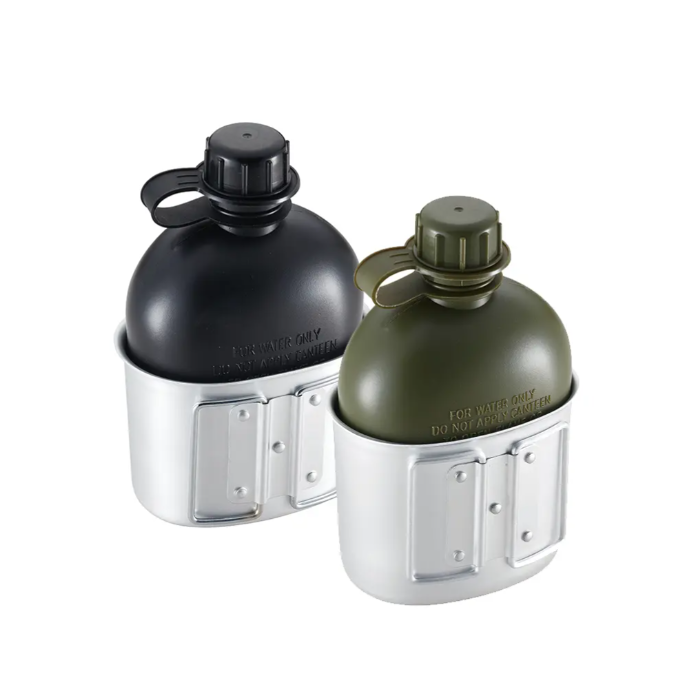
Manufacturing processes have incorporated sophisticated molding techniques that eliminate weak points and potential failure zones. Injection molding technology creates seamless construction with uniform wall thickness, ensuring consistent performance across the entire vessel surface. Quality control measures during production guarantee that each plastic canteen meets stringent durability standards before reaching consumers. The result is a product that delivers reliable service across diverse applications and environmental conditions.
Food-Grade Safety Standards
Safety considerations remain paramount in plastic canteen development, with manufacturers adhering to strict food-grade material requirements. BPA-free formulations have become standard practice, eliminating concerns about harmful chemical leaching into stored liquids. Regulatory compliance ensures that materials meet FDA standards for direct food contact, providing peace of mind for users who depend on their canteens for daily hydration needs. Comprehensive testing protocols verify that no toxic substances migrate from the container walls into beverages under normal use conditions.
Antimicrobial additives integrated into the plastic matrix help prevent bacterial growth and odor development during extended use periods. These innovative materials maintain their protective properties throughout the product lifecycle, ensuring consistent safety performance. The smooth interior surfaces facilitate thorough cleaning and sanitization, supporting proper hygiene maintenance. Users can confidently rely on their plastic canteen for safe liquid storage across various applications and environments.
Practical Design Features and Functionality
Ergonomic Form Factor
Thoughtful design considerations transform a basic plastic canteen into an ergonomically superior hydration tool. Contoured shapes accommodate natural grip positions, reducing hand fatigue during extended carrying periods. Strategic placement of finger grooves and thumb rests enhances control and prevents accidental drops in challenging conditions. The balanced weight distribution ensures comfortable handling whether the container is full or partially empty, maintaining stability during active use scenarios.
Compact profiles optimize storage efficiency in backpacks, vehicle compartments, and workplace environments without sacrificing capacity. Streamlined exteriors minimize snagging on equipment and clothing while maintaining structural strength. The proportional relationship between diameter and height creates an optimal center of gravity that feels natural in the hand. These design elements combine to create a plastic canteen that integrates seamlessly into daily routines and specialized activities.
Versatile Capacity Options
Manufacturing flexibility allows plastic canteen production in multiple size configurations to meet diverse user requirements. Standard capacities range from compact 16-ounce personal units to larger 32-ounce expedition models, accommodating different hydration strategies and activity durations. Graduated measurement markings enable precise fluid tracking for health and fitness applications. The scalable design maintains proportional strength and functionality across the entire size range.
Modular compatibility with existing gear systems enhances utility in professional and recreational contexts. Standardized threading accepts various cap styles and accessory attachments, expanding functional possibilities. The consistent form factor across capacity options simplifies procurement and inventory management for organizations. Users can select the appropriate plastic canteen size based on specific mission requirements while maintaining familiarity with basic operation and maintenance procedures.
Environmental Advantages and Sustainability
Recyclability and Lifecycle Management
Environmental responsibility drives modern plastic canteen development toward sustainable material choices and end-of-life planning. Recyclable polymer formulations ensure that discarded containers can be processed into new products rather than contributing to landfill waste. Clear material identification markings facilitate proper sorting in recycling facilities, supporting circular economy principles. The durability characteristics of quality plastic canteens extend useful service life, reducing replacement frequency and overall environmental impact.
Lightweight construction minimizes transportation energy requirements during distribution and reduces carbon footprint throughout the supply chain. The energy efficiency of plastic manufacturing processes continues to improve through technological advancement and operational optimization. Compared to alternative materials like glass or metal, plastic canteen production requires significantly less energy input while delivering comparable or superior performance characteristics. These factors contribute to a more sustainable hydration solution that aligns with environmental stewardship goals.
Reusability Benefits
The exceptional durability of modern plastic canteen construction supports extensive reuse cycles that dramatically reduce single-use container consumption. Each reusable canteen can replace hundreds of disposable bottles over its service lifetime, creating substantial waste reduction benefits. Easy cleaning and sanitization procedures maintain hygienic conditions between uses without requiring specialized equipment or harsh chemicals. The chemical resistance properties ensure that flavors and odors from previous contents do not transfer to subsequent beverages.
Cost-effectiveness improves over time as the initial investment in a quality plastic canteen generates ongoing savings through reduced beverage packaging waste. The convenience factor encourages consistent use, maximizing the environmental benefits of choosing reusable over disposable options. Maintenance requirements remain minimal throughout the product lifecycle, supporting long-term sustainability objectives. Users develop confidence in their plastic canteen performance, leading to increased adoption of environmentally responsible hydration practices.
Performance in Diverse Applications
Outdoor Recreation Excellence
Outdoor activities demand reliable equipment that performs consistently under challenging conditions, making the plastic canteen an essential component of recreational gear systems. Temperature resistance allows safe use in both hot and cold environments without structural compromise or performance degradation. Impact resistance protects against drops and impacts that commonly occur during hiking, camping, and adventure sports. The lightweight nature reduces pack weight while providing adequate capacity for extended outdoor excursions.
Weather resistance ensures reliable function during precipitation and high humidity conditions that might affect other materials. UV stability prevents degradation from prolonged sun exposure during extended outdoor activities. The non-conductive properties of plastic eliminate concerns about thermal transfer that can make metal containers uncomfortably hot or cold. These characteristics make a plastic canteen the preferred choice for serious outdoor enthusiasts who cannot afford equipment failures in remote locations.
Workplace and Professional Use
Professional environments present unique hydration challenges that plastic canteen design addresses through practical functionality and durability. Non-slip exterior textures provide secure grip when hands are wet or gloved, preventing accidents in industrial settings. Chemical resistance protects against incidental contact with cleaning solutions and industrial compounds commonly found in workplace environments. The unbreakable nature eliminates safety hazards associated with glass containers in manufacturing and construction applications.
Ease of identification through custom labeling or color coding supports inventory management and personal ownership tracking in shared facilities. The ability to withstand repeated washing and sanitization cycles makes plastic canteens suitable for healthcare and food service applications with strict hygiene requirements. Consistent performance across temperature ranges ensures reliable function in both indoor and outdoor work environments. Professional users appreciate the combination of functionality and affordability that plastic canteen options provide for organizational procurement needs.
Maintenance and Care Considerations
Cleaning and Sanitization Procedures
Proper maintenance extends the service life of any plastic canteen while ensuring optimal hygiene and performance. Regular cleaning with warm soapy water effectively removes residues and prevents bacterial growth without damaging the container materials. The smooth interior surfaces facilitate thorough cleaning and allow complete drainage to prevent moisture retention. Periodic sanitization using diluted bleach solutions or commercial sanitizers maintains microbiological safety standards for sensitive applications.
Dishwasher compatibility simplifies cleaning procedures in high-volume environments while ensuring consistent sanitization results. Heat resistance allows safe use of hot water cleaning without deformation or material degradation. The chemical inertness of quality plastic formulations prevents adverse reactions with common cleaning agents. Users can maintain their plastic canteen in optimal condition through simple routine care that requires no specialized knowledge or equipment.
Storage and Handling Best Practices
Proper storage techniques maximize the longevity and performance of plastic canteen systems across various use patterns. Dry storage with caps removed allows air circulation that prevents moisture accumulation and potential microbial growth. Temperature-controlled environments protect against extreme heat that might cause deformation in lower-grade plastics. Avoiding sharp objects and abrasive surfaces during storage prevents surface damage that could compromise structural integrity or aesthetic appeal.
Regular inspection identifies potential issues before they affect functionality, enabling proactive maintenance and replacement decisions. The visual transparency of many plastic formulations allows easy monitoring of interior conditions and contamination detection. Proper handling techniques during filling and emptying prevent stress concentrations that could lead to premature failure. These simple practices ensure that a plastic canteen continues delivering reliable performance throughout its intended service life while maintaining safety and hygiene standards.
FAQ
How long does a quality plastic canteen typically last with regular use
A well-manufactured plastic canteen can provide years of reliable service with proper care and maintenance. The actual lifespan depends on usage frequency, environmental conditions, and maintenance practices, but quality units often exceed five years of regular use. Materials engineering advances have significantly improved durability compared to older plastic water containers, with many modern designs featuring enhanced impact resistance and UV stability. Regular inspection and following manufacturer care guidelines help maximize service life while ensuring optimal performance throughout the usage period.
Are plastic canteens safe for hot beverages and temperature variations
Modern plastic canteen designs incorporate heat-resistant materials that can safely accommodate warm beverages up to specified temperature limits, typically around 180°F for quality units. However, users should verify the manufacturer's temperature ratings before use with hot liquids to prevent deformation or material degradation. The thermal properties of advanced plastics also provide protection against cracking from temperature cycling between hot and cold conditions. Always check product specifications and follow manufacturer guidelines regarding temperature exposure to ensure safe operation and maintain warranty coverage.
What makes plastic canteens more practical than metal or glass alternatives
Plastic canteens offer several practical advantages including significantly lighter weight, impact resistance that prevents dangerous breakage, and lower cost for equivalent capacity. The non-conductive properties eliminate issues with uncomfortably hot or cold surfaces that affect metal containers, while the unbreakable nature makes them safer in environments where glass containers pose hazards. Manufacturing flexibility allows for ergonomic designs and custom features that may be difficult or expensive to achieve with alternative materials. These combined benefits make plastic canteens particularly suitable for active use, travel, and situations where durability and convenience are priorities.
How do I choose the right capacity plastic canteen for my needs
Selecting the appropriate plastic canteen capacity depends on your typical activity duration, access to refill opportunities, and personal hydration requirements. For daily office or light activity use, 16-20 ounce capacities provide adequate hydration without excessive weight or bulk. Outdoor activities or longer periods without refill access may require 24-32 ounce capacities to maintain proper hydration levels. Consider your carrying method and space constraints, as larger capacities require more storage room and may be less convenient for certain applications. Most users find that having multiple sizes available allows optimal selection based on specific activity requirements.
