 EN
EN
 AR
AR
 BG
BG
 HR
HR
 CS
CS
 DA
DA
 NL
NL
 FI
FI
 FR
FR
 DE
DE
 EL
EL
 IT
IT
 JA
JA
 KO
KO
 NO
NO
 PL
PL
 PT
PT
 RO
RO
 RU
RU
 ES
ES
 SV
SV
 TL
TL
 IW
IW
 ID
ID
 SR
SR
 SK
SK
 UK
UK
 VI
VI
 SQ
SQ
 HU
HU
 TH
TH
 TR
TR
 MS
MS
 GA
GA
 CY
CY
 IS
IS
 HY
HY
 AZ
AZ
 KA
KA

Hvernig er eldhúsáhald fyrir útivist frá venjulegu eldhúsáhaldi?
Þegar áætlað er að fara í útivistarskemmtanir er mikilvægt að skilja grundvallarmuninn á milli reisuskála og venjulegs heimaskála til að tryggja heppnaða matseðiltilbúning í óbygðum. Þótt báðir þjónustu aðalverkefni matseðiltilbúningar, inniheldur reisuskáll sérstakar hönnunaraðferðir, efni og framleiðsluaðferðir sem leysa einkennandi áskorunir útivistarmatselds.
Þróun reisufatnaðar fyrir eldhús ákvarðast af áratugum á þróun sem hefur haft í huga þyngdarmörk, þurftu um styrk og rúmfrávik sem náttúruáhugamenn funda á ferðum sínum. Þegar kemur að reisufatnaði fyrir eldhús er ekki hægt að nota sama hugmyndir og við hefðbundin eldhúsgjörv, sem eru hönnuð fyrir staðsettan notkun með jafnvela orkuupplyssingu; reisufatnaðurinn verður að virka áreiðanlega yfir opnum logum, færilegum eldavélum og í breytilegum veðurfyrirmælum, án þess að missa færileika eða virkni.
Fyrirtæki sem framleiða faglegan útivistarfatnað hafa þróað sniðugan reisufatnað fyrir eldhús sem jafnar árangur og ávinning. Þessi sérstaklega eldhúsgjörv innihalda háþróaða metallfræði, ergonómískar hönnunaraðferðir og módulegra byggingaraðferðir sem skilja þau markvörðugt frá hefðbundnum heimiliseldhúsgjörvum.
Efnauppbygging og þyngdarmörk
Léttilýsingar úr legeringum
Nútíma uppbyggingarviðskipti fyrir utanaðkomu notast við framþróaða ál-legeringar og títaníum samsetningar sem veita framúrskarandi styrk-til-þyngd hlutfall í samanburði við hefðbundin jarnsteypt eða þungar rostfritt steypujárn eldhús tæki. Þessi sérhæfðu efni eru undirgoð anódunaraðferðum sem auka ávöxtun án þess að bæta við mikilli þyngd fyrir bakpokkabera og fjallaganga.
Framleiðendur nota harða-anódískaða ál-byggingaraðferðir sem mynda óviðkvæm eldhússkífur sem eru mótvært mótsjávarmyndun og sliti. Þetta er áberandi gagnsætt við venjuleg eldhús tæki sem oft leggja áherslu á hitahald og jafna dreifingu í stað þyngdarminnkunar, með því að nota þykktari efnaþykkleika og þungari byggingaraðferðir.
Títaníum-ferðaeldhjólasafn táknar hámark léttleika, með yfirlegra mótsögu gegn rýmingu og líkamsvensku ásamt miklu lægri þyngd en samanberanlegar austurstálsvörur. Val á efni fyrir ferðaeldhjólasafn felur í sér nákvæma umhugsun um hitastigsgildi, varanleika og aðlögun þyngdar við pakka.
Varanleg konstrúkt
Ferðaeldhjólasafn er sett undir gríðarlega álagapróf til að standa á mót útileiðis umhverfisáreynslum svo sem hitastigssveiflum, áhrifamótstönd og endurtekin hitacyklingu. Aukin brúnbygging, sterkari festipunktar fyrir handtökk og áhrifamótstöndund bygging á botni tryggja áreiðanlega afköst í erfitt aðstæðum í reynd.
Framleiðsluferlið inniheldur sérstakar hitameðferðaraðferðir sem bæta metallkornastyrktina og auka ástandið gegn bölgun, dökkun og sprungum undir notkunarhlutverki í reyndinni. Þessi verkfræðilega nálgun er miklu frábrugðin venjulegum eldhúsgögnunum sem eru notað í stýrðum innandagsumhverfi með jafnri hitastigssviði.
Góð eldhúsgögn fyrir utalíf ákvarðast af óskeiðandi framleiðsluaðferðum sem fjarlægja mögulegar mistökastaðsetningar, með því að nota sveifða tengingar, styrkta álagssvæði og rustþolandi festingar sem hannaðar eru til að viðhalda uppbyggingarheild á lengri tímabili úti.
Stærð og færileiki
Nesting- og módulegra hönnun
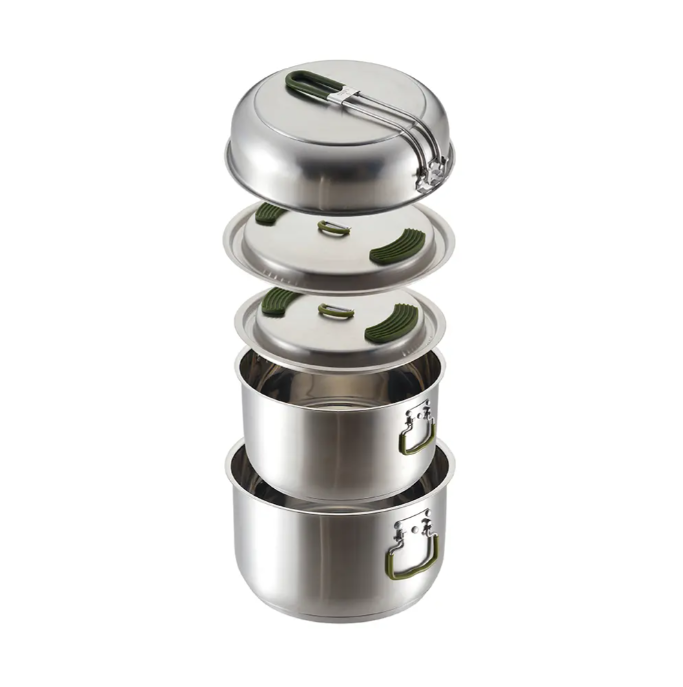
Uppsetningar fyrir eldhús á útivist eru með nýjungar í því að hægt sé að setja margar hluta inn í hvorn annan á samþætta hátt, sem aukar plássnotkunina fyrir geymslu í bakpokum. Þessi stillanlega aðferð gerir mögulegt fyrir útivistarmenn að berast með fullkomnar eldhúpsuppsetningar án þess að eyða miklu plássi eða auka þyngd dreifingu í pokunum.
Rúmfræðileg nákvæmni sem krefst vel heppnaðs innbyggðs samsetningar krefst nákvæmr málstaðla og ergonómískra handtakagreina sem foldast saman eða afhengjast alveg. Venjulegar eldhúpsverkfæri í heimilinu vantar þessa plássparanir því að takmarkanir í geymslu tengjast venjulega skipulagi í skápum frekar en þyngdarskynsamum pakkingarkröfum.
Framfarinn ferðamaturhlaupi uppsetningarnar eru með innbyggðar geymslulausnir, svo sem netpoka, þjöpppoka og verndargögn, sem skipuleggja hlutana og koma í veg fyrir skemmdir á meðan þeir eru fluttir. Þessar heildstæðu uppsetningar lítur á eldhúpsbúnað sem heildstæðar lausnir frekar en sem einstaka hluti.
Þjöppuð geta stjórnun
Áherslur á hlutfallsstjórnun áhrifast á ákvarðanir um stærð á reiðufaraskáldu, þar sem framleiðendur hafa unnið út reikningsaðferðir fyrir magn byggðar á venjulegum kröfum í útivistarmat og fjölda einstaklinga í hópi. Þessar reikningsaðferðir eru mjög ólíkar þeim sem notaðar eru fyrir heimilisskáldu sem er hannað til að passa mismunandi fjölda í fjölskyldum og flókin matseðil.
Reiðufaraskáldu hefur venjulega merkingar fyrir mælingar í skala, útgáttur til að geyma og vísbendingar fyrir þjónustu sem auðvelda nákvæma hlutfallsstjórnun og minnka matsvæði á útivistarskóginum. Með því að innbyggja mælingaraðgerðir beint í uppbyggingu skáldunnar er ekki þörf á sérstökum mælitólum.
Fleiri en einn notkunargrein í hönnun leyfir einu stykki reiðufaraskáldu að fullgilda margar eldunarverk, þar sem dýpar pottar geta verið notaðir sem skálir, loptir sem diskar eða steikpannur og handtökur sem mælingarvísanir fyrir algengar magnmælingar við eldun.
Samhæfni við hitukeldu
Notkun við opinn loga
Grunnbygging á eldheldum fyrir útivistarskemmtanir inniheldur sérstakar mynstur til dreifingar hita sem eru aðlagað til samleittra loga, eins og venjulegt er við eldhelda fyrir útivistarskemmtanir og við eldviðseld.
Logavörn og vindskjöldir sem eru innbyggðar í eldheldakerfi fyrir útivistarskemmtanir vernda eldheldisvægi frá beinum loga hafa samband án þess að minnka árangur hitaflutningsins. Þetta verndarkerfi er ólíkt venjulegum eldheldum í heimiliskjökum sem starfa með stýrðum gas- eða rafhitakeldum sem veita jafna hitastigadreifingu.
Málmfræðilegar eiginleikar efna í eldheldum fyrir útivistarskemmtanir eru undirgoðir sérstökum hörðunaraðferðum sem viðhalda uppbyggingarheild á við hröð hitun og kælingu sem tíðkast við eldheldi úti. Þessi eiginleikar viðstöðu gegn hitasprengingu koma í veg fyrir brot og sprungur við afbrigði í hitastigi.
Samsetning á margbrennslusystemi
Nútíma uppbygging á eldhólfi fyrir utanaðkomandi notkun veitir möguleika á ýmsum eldsneytisgerðum, svo sem própán, bútán, álgóhól og fastar eldsneytisplötur, með sérstökum grunnhönnun og aukinni hitasamræmingu. Þessi fjölbrúgiðleiki tryggir mateldun óháð tiltæku eldsneytisfyrirhöndum eða umhverfisstöðum.
Eiginleikar til að stöðva pottana, svo sem víðir grunnir, lág miðja þyngdar og innbyggðar pottahaldir, auka öryggi við notkun óstöðugra utanaðkomandi eldhólfa. Þessar stöðugleiksráðleggingar leysa innbyggðar áskoranir við eldun á ójöfnu jarðvegi og færilegum eldhólfsstöðvum.
Hönnun eldhólfs fyrir utanaðkomandi notkun með tillit til hitaeffektívni hámarkar sparnað í eldsneyti með bestu hitahaldinu, styttri eldtíma og betri hitasamræmingu. Þessar árangursríkar breytingar á virkni hafa beinan áhrif á eldsneytisspjöld og allt áætlanarmat fyrir ferðir.
Nýjungar í hönnun handtakanna og gripanna
Fjarlægjanleg handtakakerfi
Afturkallanlegar handfangsmechanismar leyfa rýmlega pakkanir þar sem öryggisgrípaföll eru tryggðar á meðan eldað er. Þessi kerfi nota fjöðurfestingar, bynetfestingar eða þræðifestingar sem halda áfram virkri festingu undir álagi.
Hitastandandi grip efni, svo sem silíkónusambönd, hitasviðsþolendur plástíkar og myndaðar metall yfirborð, veita örugga haldningu jafnvel þegar bensínvörur eru notuð eða við vökva aðstæður. Hönnun grip yfirborðs inniheldur óslípandi mynstur og ergonómísk háða umhverfi sem eru háð efna í útivistarsjálfum.
Handfang í reisufatnaði fyrir eldun hafa lengri hönnun sem tryggir örugga fjarlægð frá hitakeldum og veitir nægilega kraftfæri til blanda, lyfta og hella. Hitaisolerande eiginleikar koma í veg fyrir hitaflutning frá eldunarhlutum til hendur notanda í langum eldunartímum.
Hnakkunarmechanismi
Foldanlegar handfangakerfi innihalda nákvæmum snúðumekanismum með vissum læsingu fyrir bæði notaða og fellda stöðu. Þessir mekanismar viðhalda uppbyggingarstöðugleika á meðan notuð en leyfa þjappaða geymslu þegar handfangin foldast á við hliðar eldhelda.
Mekanísk hönnun foldanlegra handfanga inniheldur fjöðrunarvirkar lásapunkta, rafmagnslás, og kammvirka festikerfi sem koma í veg fyrir óvilt útfoldun á meðan flutt er, en tryggja áreiðanlega virkni á meðan eldað er. Venjuleg heimiliseldhaldshandfang eru oft með fastri handfangi sem leggja áherslu á viðkomulagi fremur en á plássneyslu.
Efni handfanga fyrir utahaldselddrátt eru með sérstökum yfirborðsbehandlingum sem veita mótvægi gegn rusningu, UV-stöðugleika og hitastöðugleika í lengri tímabil utuminnis. Þessar verndargripahlutir viðhalda griplausn og útliti þrátt fyrir harðar umhverfisstöður.
Þveifla- og viðhaldskröfur
Óklífur yfirborðstækni
Ósteikandi þekjur fyrir reisufatnað eru unnar með sérstökum samsetningum sem hannaðar eru til að standa átakum af röfunarhræringum við hreinsun og ógnvekjandi vatnsaðstæðum sem oft koma fyrir í útivistarskógaferðum. Þessar varanlegu þekjur viðhalda losunareiginleikum sínum þrátt fyrir útsetningu á sandi, grjóti og vatni með háum mætti af miskunnarefnum.
Framleiðsluferlið fyrir ósteikandi yfirborð reisufatnaðar inniheldur margar þekjulög með öflugum viðhafnaraflfremjum sem koma í veg fyrir afbrjótun, skellingu og slitage undir notkun í reynd. Þessi áhersla á varanleika er ólík venjulegum kökustofufatnaði sem er notaður í stjórnuðum hreinsunaraðstæðum.
Nýjasta keramísk þekjur og diamant-styrktar þekjur veita framúrskarandi vernd gegn röfum án þess að tappa góðum eiginleikum við losun matvæla í lengri notkunartímabil. Þessar hávísu yfirborðsbehandlingar réttlæta hærri upphafskostnað með betri langtímaþol og áreiðanleika í notkun.
Hugsanir um hreinsun í reynd
Yfirborðsloka á reisufatnaði fyrir utanaðkomuaukningu auðvelda hreinsun með takmarkaðum vatnsforsýn, biodegrúfum sápu og grunnhreinsifærum sem eru tiltækar í utanaðkomuferðum. Eiginleikar yfirborðsorku koma í veg fyrir að mat festist og leyfa árangursríka hreinsun með lágustu mögulegu vatnsnotkun.
Horn með hringlaga formi, jafn yfirborðsþvermál og hönnun án skilja útvegar öll svæði þar sem mat getur safnast saman og því er hreinsun er erfiðari í reyndarskilyrðum. Þessir hönnunareiginleikar tryggja fullkomin hreinsun með einföldum þvottaraðferðum og grunnhreinsifærum.
Viðhaldskröfur reisufatnaðar fyrir utanaðkomuaukningu innihalda reglubundin aðferðir til að krydda, aðferðir til að koma í veg fyrir rost og aðferðir til undirbúnings fyrir geymslu sem viðhalda árangurskenningum í lengri geymslutímabilum og við biluð notkun.
Sérhæfðir eiginleikar og viðbætur
Innbyggð mælingarkerfi
Utanhúskaupsker eru með rúmmálsmerkingar, þyngdarábendingar og tilvísanir í hlutdeilingu innbyggðar í smíðina. Þessar innbyggðu mælingaraðferðir úrskýla þörfina á sérstökum mælitólum og veita nákvæmar leiðbeiningar fyrir eldun í utanhúsinu.
Stigvísar mælisgildi nota ljásgravingu, útskornar merkingar eða myndaðar tilvísanir sem halda á sér sjónlegar í gegnum endurteknar þvottahringa og langan notkunartíma. Nákvæmni mælinganna uppfyllir kröfur eldunar og er á móti slífrandi aðstæðum sem tíðkast við utanhúsþvott.
Nýjasta útgáfan af utanhúskaupskerum inniheldur tvöfaldar mælisgildisvísitölur sem styðja bæði metrík og enska mælieiningar, leiðbeiningar um hlutfall ingrediensa og tilvísanir í eldunartíma sem hjálpa við skipulagningu og framkvæmd matseðla á ferðum.
Viftun og stýring á gufu
Sérstakar lokadísaformgerðir innihalda stillanlega loftgáttakerfi sem stjórna frigjöf þýðis, koma í veg fyrir ofþrýstingu og viðhalda bestu eldunartemperatúrunni við ýmsar eldunaraðferðir. Þessi loftgáttaeiginleikar bæta stjórnun eldunar miðað við einfaldari lokadísakerfi sem eru venjuleg í heimiliseldunarvélar.
Mynstur á þýðisumferð, sem hafa verið hugð í gerð eldunarvéla fyrir útivist, stuðla að jafnri eldun, minnka orkunotkun og koma í veg fyrir þýðisþéttingu sem gæti skemmt matvöruflokkunum við undirbúning á útivist. Kerfin sem stjórna loftstraumi hámarka hitaeffektívleikann án þess að takmarka eldunaraðstönd.
Loftgáttarkerfi eldunarvéla fyrir útivist innihalda verndargæslur gegn rusli, net gegn skordýrum og hindrunarveggja gegn saumum sem vernda matvörusvæði frá umhverfisáhrifum sem eru algeng í útivistareldun. Þessar verndaraukahlutir tryggja matvörusöfnun þrátt fyrir erfitt undirbúningsaðstæður.
Algengar spurningar
Get ég notað venjulegar heimiliseldunarpottur og pönnur til útivistar?
Þótt venjuleg eldhússkífur geti verið notaðar við bilakamping, vantar þeim sérstök eiginleika sem gera camping-skífur að betri vali fyrir utandyrsnotkun. Venjulegar pottar og steikpannur eru venjulega þungari, stærri og vantar þeim færni til flutnings sem er nauðsynleg fyrir bakpokkakamping. Þær geta einnig ekki verið í bestu lagi fyrir notkun við camping-eldiva eða opna loga, og handtögin og uppbygging þeirra eru ekki hönnuð fyrir átröskunarkröfur utandyrs umhverfis. Fyrir sjaldgæfan bilakamping geta venjulegar skífur náð nægilegum markmiðum, en alvarlegir utandyrsáhugamenn draga mikla ávöxt af skífum sem hafa verið sérstaklega hönnuðar fyrir camping.
Hverjum efnum ætti ég að leita að í gæðaskífum fyrir camping
Bestu efni fyrir útivistarmatvöru eru harðaúrgreind álfínum, sem býður upp á framúr góða hitadreifingu og móttölu gegn ruskingu, títaníum fyrir mjög léttar forsendur og rustfritt stál fyrir varanleika og fjölbrúk. Harðaúrgreind álfínum býður upp á besta jafnvægið milli þyngdar, hitaleiðni og varanleika fyrir flesta notendur. Títaníum býður upp á hámarkstungu í þyngdarsparnaði en á hærri kostnað og með hægri hitadreifingu. Útivistarmatvörur úr rustfritt stál býða upp á framúr góðan varanleika og samhæfni við allar hitakeldar, sem gerir þær í lagi fyrir lengri ferðir þar sem áreiðanleiki er á fremsta sæti.
Hvernig gæti ég umhugað um útivistarmatvörur til að ná langtímaframleiðslu
Rétt viðhald á eldhúsgjörð fyrir utanaðkomu felur í sér því að hreinsa það vel eftir hverja notkun, þurrka það fullkomlega áður en það er geymt og skoða reglulega til að athuga hvort það sé slitið eða skemmd. Notaðu viðeigandi kryddun á efnum sem þörf er á slíkri kryddun, geymið hlutana í verndargöggum eða poka til að geyma í, og forðistu rófandi hreinsiefni sem gætu skaðað óklífu yfirborð. Regluleg skoðun handtakanna, læsiborðanna og yfirborðsþekjunnar hjálpar til við að greina mögulegar vandamál áður en þau verða vandamál á ferðum. Rétt geymsla í þurrum og hitastýrðum umhverfi lengir líftíð þess miklu.
Hversu stórt kúkkitæki fyrir tjaldstæði hvað þarf ég fyrir mismunandi fjölda þáttakenda
Stærð á eldheldisbúnaði fyrir utivistu er háð fjölda þeirra sem fara með, lengd ferðarinnar og eiginkyni eldheldis. Einstaklingar þurfa venjulega kerfi með getu á 0,5–1 líter, en pör krefjast kerfa með getu á 1–1,5 líter. Hópar af 3–4 einstaklingum nýta sér best kerfi með getu á 2–3 líter og margföld pottur til að elda í samhengi. Þegar valið er á getu ætti að hafa í huga eldheldisvenjurnar, flókhleika matseðla og þyngdarmörk. Móduleg kerfi leyfa sérsniðningu eftir sérstökum kröfum ferðarinnar og gerir notendum kleift að bæta við eða fjarlægja hluti eftir þörfum fyrir mismunandi ferðir og hópasetningar.
