 EN
EN
 AR
AR
 BG
BG
 HR
HR
 CS
CS
 DA
DA
 NL
NL
 FI
FI
 FR
FR
 DE
DE
 EL
EL
 IT
IT
 JA
JA
 KO
KO
 NO
NO
 PL
PL
 PT
PT
 RO
RO
 RU
RU
 ES
ES
 SV
SV
 TL
TL
 IW
IW
 ID
ID
 SR
SR
 SK
SK
 UK
UK
 VI
VI
 SQ
SQ
 HU
HU
 TH
TH
 TR
TR
 MS
MS
 GA
GA
 CY
CY
 IS
IS
 HY
HY
 AZ
AZ
 KA
KA

Որ հատկանիշներն են բնորոշում բարձր որակի ընթրելու հավաքածուն ճամփորդության համար
Երբ դուրս եք գալիս բնության մեջ, ճիշտ սարքավորումները կարող են որոշող լինել ձեր ճամփորդության համար: Լավ կոնստրուկցված ճամփորդական խոհանոցային հավաքածուն աստղերի տակ անմոռանալի ճաշերի հիմքն է հանդիսանում՝ վերածելով հիմնական մթերքները բավարար ճաշերի, որոնք էներգիա են տալիս ձեր արկածներին: Միջազգային խոհարարության միջև և արտակարգի միջև տարբերությունը հաճախ կախված է ձեր կենցաղային պարագաների որակից և մտածված դիզայնից:
Պրոֆեսիոնալ վայրի բնության համակրողները հասկանում են, որ գերազանց խոհանոցային պարագաների մեջ ներդրումները բերում են տևողականության, գործառույթայնության և խոհարարության արդյունքների բարելավման։ Ժամանակակից արտադրողները վերափոխել են վայրի բնության համար նախատեսված խոհանոցային սարքավորումները՝ ներառելով առաջադեմ նյութեր և էրգոնոմիկ դիզայններ, որոնք հաշվի են առնում վայրի բնության մեջ խոհարարության հատուկ մարտահրավերները։ Թեթևակշիռ ալյումինե կոնստրուկցիաներից սկսած մինչև ջերմությունից դիմադրուն բռնակներ, յուրաքանչյուր բաղադրիչ կարևոր դեր է խաղում բարդ պայմաններում համապատասխան խոհարարության արդյունքներ ստանալու համար:
Արտաքին օգտագործման խոհանոցային պարագաների համար անհրաժեշտ նյութերի բնութագրեր
Ժապավենի պողպատե կառուցման առավելություններ
Նոսրացված պողպատը շարունակում է մնալ գերազանց ճամփորդական խոհանոցային սեղանների ոսկե չափանիշը՝ իր բացառիկ տևողականության և կոռոզիայի դիմադրության շնորհիվ: Ալյումինե այլընտրանքներից տարբեր, նոսրացված պողպատը պահպանում է իր կառուցվածքային ամբողջականությունը՝ նույնիսկ արտաքին միջավայրում հաճախ հանդիպող բարձր ջերմաստիճանային տատանումների դեպքում: Այս նյութի ընտրությունը երաշխավորում է, որ ձեր կենցաղային տարան տարիներ շարունակ կկարողանա դիմակայել կանոնավոր օգտագործմանը՝ առանց կատարողականի անկման կամ սննդի անվտանգության չափանիշների խախտման:
Նոսրացված պողպատի ոչ ռեակտիվ բնույթը կանխում է անցանկալի մետաղական համերի աղտոտումը ձեր կերակուրներում, ինչը հատկապես կարևոր է թթվային կերակուրներ պատրաստելիս, ինչպես օրինակ՝ վերմաշային սոուսներ կամ ցիտրուսային մարինադներ: Բարձրորակ նոսրացված պողպատը նաև ջերմությունը ավելի հավասարաչափ է բաշխում, քան շատ այլ նյութեր, նվազեցնելով տաք կետերը, որոնք կարող են այրել սնունդը, և դարձնելով ջերմաստիճանի կառավարումը ավելի կանխատեսելի եփելու ընթացքում:
Քաշի օպտիմալացման ռազմավարություններ
Ժամանակակից ճամփորդական խոհանոցային հավաքածուները օգտագործում են բարդ ինժեներական տեխնիկաներ՝ նվազագույնի հասցնելով քաշը՝ առանց զիջելու գործառույթներին: Արտադրողները տարբեր բաղադրիչների համար օգտագործում են տարբեր պողպատե հաստություններ, ամրացում տեղադրելով այն տեղերում, որտեղ առավել շատ է անհրաժեշտ, մինչդեռ նյութը նվազեցնում են ավելի քիչ լարված տեղամասերում: Այս մոտեցումը ստեղծում է կենցաղային նորմատիվներ, որոնք բավականաչափ թեթև են՝ հարմար լինելու համար ապահով ճամփորդության ընթացքում, միևնույն ժամանակ պահպանելով կառուցվածքային ամրությունը՝ վստահելի արտաքին խոհանոցային կիրառման համար:
Բարձրակարգ արտադրական գործընթացները նաև թույլ են տալիս ստեղծել ավելի բարակ պատեր, որոնք ավելի արդյունավետ են տաքանում՝ պահպանելով մաշվածականությունը: Այս քաշը օպտիմալացնող դիզայնները հաճախ ներառում են հավաքվող կոնֆիգուրացիաներ, որոնք առավելագույնի հասցնում են փաթեթավորման արդյունավետությունը՝ թույլատրելով մի քանի մասեր հարմարեցնել ձեր ճամփորդական սարքավորումների կազմակերպման համակարգում:
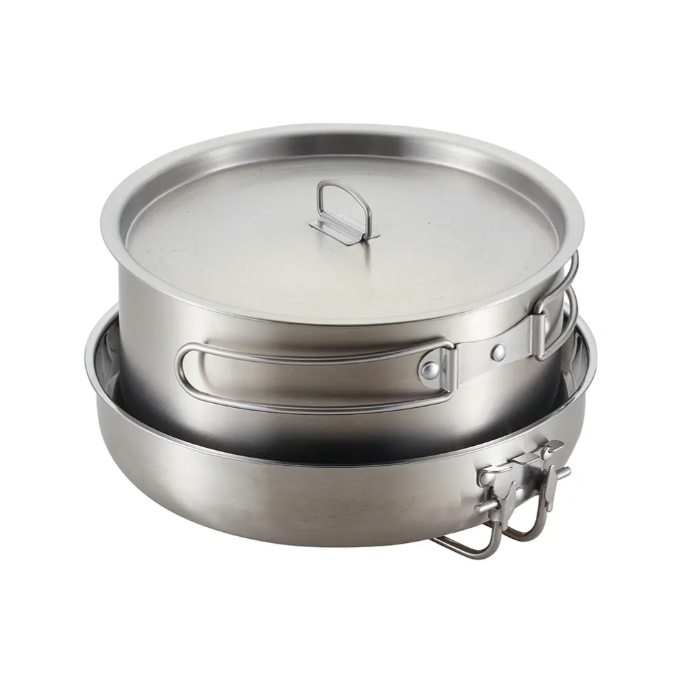
Կարևոր ֆունկցիոնալ դիզայնի տարրեր
Հանգույցի ինժեներական լուծումներ և անվտանգության հատկություններ
Մասնագիտական աստիճանի կամպինգային թասերը ներառում են հատուկ նախագծված թակներ, որոնք շարունակում են մնալ սառը նույնիսկ բարձր ջերմաստիճանների վրա եփելիս: Այս թակները սովորաբար օգտագործում են ջերմադիմադրություն ունեցող նյութեր կամ նորարարական կոնստրուկցիաներ, որոնք ջերմային էներգիան վերահաղորդում են հեռու թակներից կապ ներդիակ թակների մեխանիզմները ավելացնում են հարմարավետություն՝ փոքրացնելով փաթեթավորված չափսերը՝ պահպանելով էրգոնոմիկ հարմարությունը օգտագործման ընթացքում:
Անվտանգության դատողությունները տարածվում են ջերմաստիճանի կառավարմանից դուրս և ներառում են ամուր բռնման մակերեսներ, որոնք հուսալիորեն աշխատում են նույնիսկ թաց վիճակում կամ ձեռնոցներ կրելիս: Որակյալ կամպինգային թասերը ունեն տեքստուրավորված թակների մակերեսներ կամ հատուկ բռնման նախշեր, որոնք կանխում են կամայական սահողությունը սննդի պատրաստման և սպասքի մատուցման ընթացքում:
Բազմանպատակ և բազմաֆունկցիոնալ կիրառություններ
Արտաքին խոհանոցային պարագաների լավագույն համակարգերը առավելացնում են գործառույթները՝ ստեղծելով այնպիսի մասեր, որոնք բազմաթիվ նպատակներ են ծառայում եփելու ընթացքում: Տարաների թափանցիկները հաճախ օգտագործվում են որպես սպասքի ափսեներ կամ տապակման մակերեսներ, իսկ միմյանց մեջ տեղադրվող ափսեները կարող են ծառայել որպես խառնման ամաններ, սպասքի ափսեներ կամ անհատական ճաշի տարաներ: Բազմագործառույթ մոտեցումը նվազեցնում է անհրաժեշտ իրերի ընդհանուր քանակը՝ ընդարձակելով եփելու հնարավորությունները:
Խելացի նախագծման ինտեգրումը թույլ է տալիս բաղադրիչներին հարթ աշխատել միասին՝ ստեղծելով այնպիսի եփման համակարգեր, որոնք ավելի մեծ են, քան իրենց մասերի գումարը: Օրինակ՝ ճիշտ նախագծված հավաքածուները թույլ են տալիս միաժամանակ եփել մի քանի ապուրներ՝ օգտագործելով համաձայնեցված տարաների չափեր, որոնք օպտիմալացնում են ջերմության բաշխումն ու եփման ժամանակը՝ բարդ ճաշեր պատրաստելու համար:
Կատարողականի բնութագրերը դաշտային պայմաններում
Ջերմության բաշխում և պահպանման հատկություններ
Առաջին կլասի կամպինգ խոհանոցի սետ նախագծերը առաջնորդվում են հավասար ջերմության բաշխմամբ՝ ապահովելով համարնական եփելու արդյունքներ՝ անկախ տաքացման աղբյուրի տատանումներից: Որակյալ խոհանոցային իրերի հատակի կառուցվածքը ստեղծում է ջերմային զանգված, որը կարգավորում է դա հատուկ տատանումները, որոնք հաճախ հանդիպում են կարիճ վառարանների կամ խարիսխի վրա եփելիս: Այս ջերմային կայունությունը կանխում է սննդի այրվելը տաք կետտերում, մինչև ապահովում է համարնական եփելու ջերմաստիճանը ամբողջ եփելու մակերևույթով:
Ջերմության պահպանման կարողությունը հատկապես արժեքավոր է երկարատև եփելու ընթացքում կամ երբ սնունդը տաք պահելու համար խմբային սնուցման ժամանակ: Լավ նախագծված խոհանոցային իրերը ավելի երկար պահում են եփելու ջերմաստիճանը, ինչը նվազեցնում է վառելիքի սպառումը և տալիս ավելի մեծ ճկունություն սննդի ժամանակացույցի և պատրաստման հաջորդականության մեջ:
Տարբեր տաքացման աղբյուրների համատեղելիություն
Պրեմիում խոհանոցային պարագաները հուսալի կերպով աշխատում են տարբեր ջերմային աղբյուրների վրա՝ սկսած գազային ճամփորդական թխլիկներից մինչև փայտանյութի կրակ և կրկի էլեկտրական սարքեր: Այս բազմակողմանիությունը համոզված է ապահովում, որ այն հուսալի կերպով է աշխատում՝ անկախ ճամփորդության ընթացքում հանդիպած վառելիքի տեսակից կամ եփելու պայմաններից: Հարթ հատակի ձևերը օպտիմալ են թխլիկի մակերեսի հետ հպման համար, իսկ կորացված ձևերը լավ են աշխատում բաց կրակի վրա:
Տարբեր ջերմային աղբյուրների միջև հեշտությամբ անցում կատարելու կարողությունը արժեքավոր ճկունություն է տալիս երկարատև արտաքին արկածների ընթացքում, երբ վառելիքի հասանելիությունը կարող է փոխվել: Որակյալ խոհանոցային պարագաները պահպանում են կայուն աշխատանքային բնութագրեր՝ անկախ կիրառված տաքացման մեթոդից, ապահովելով հուսալի կերպով կերակուր պատրաստելու հնարավորություն ձեր ճամփորդության ընթացքում:
Տևողականություն և երկարակեցության գործոններ
Հարվածների և դեֆորմացիայի դիմացկունություն
Քարավանային պայմաններում թափրիկները ենթարկվում են ավելի մեծ լարվածության, քան տնական խոհանոցներում, որտեղ հարվածային դիմադրությունը կարևոր որակային գործոն է: Մասնագիտական մակարդակի քարավանային թափրիկները ունեն ամրապնդված կառուցվածք, որը դիմադրում է անակնկալ ընկնումներին, փաթեթավորման ընթացքում կոպիտ սաղմնավորման և արտաքին գործունություններին հատուկ մաշվածությունը: Այս ամրությունը կանխում է թանկարժեք փոխարինումները և երաշխավորում հուսալի աշխատանքը երկարատև քարավանային ճամփորդությունների ընթացքում:
Լարվածության դիմադրությունը նույնպես ազդում է եփելու աշխատանքի վրա, քանի որ դեֆորմացված թափրիկները ստեղծում են անհավասար տաքացման մակերեսներ, որոնք վնասում են սննդի որակը: Որակյալ նյութերն ու կառուցման տեխնիկաները պահպանում են ձևի ամբողջականությունը նույնիսկ տարիներ անը ընթադրաց արտաքին օգտագործումից հետո, պահպանելով օպտիմալ եփելու բնութագրերը ամբողջ արտադրանքի կյանքի ընթացքում:
Պահպանման պահանջները և մաքրման հեշտությունը
Դեպքերում, երբ հեռու վայրերում ենք ճամփորդության գնում և ջրի պաշարները սահմանափակ են, արդյունավետ մաքրման հատկությունները կարևոր դեր են խաղում: Լավ կոնստրուկցված ճամփորդական կենցաղային ամանեղենը ունի հարթ ներքին մակերես, որն ապահովում է սննդի մնացորդների հեշտ հեռացումը՝ նվազեցնելով մաքրման ժամանակն ու ջրի ծախսը: Նյութի ճիշտ ընտրությամբ և մակերեսի մշակմամբ ապահովված կպչուն հատկությունները նվազեցնում են սննդի մնացորդների կպչելը, որն անհրաժեշտ է ավելի ուժեղ քսման համար:
Կոռոզիայի դիմադրությունը ապահովում է, որ ամանեղենը պահպանի իր տեսքն ու գործառույթը, նույնիսկ երբ մաքրման ու չորացման պայմանները իդեալական չեն: Որակյալ ստեղնաձուլ պողպատից պատրաստված ամանեղենը դիմադրում է ջրի կաթիլներին և պահպանում է սանիտարական մակերեսներ, որոնք համապատասխանում են սննդի անվտանգության պահանջներին՝ նաև երկարատև օդային պայմաններում օգտագործման ընթացքում:
Ընդհանուր չափսերի և acity դիտարկում
Խմբերի համար օպտիմալ մատուցման պորցիաներ
Հաջող հետևակի ճամփորդությունների համար նախատեսված խոհանոցային հավաքածուները համապատասխանում են խմբի չափին՝ պահպանելով հարմար քաշ և փոքր չափսեր: Երկու անձի համար նախատեսված հավաքածուները, սովորաբար, 1,5-ից 2,5 լիտր տարողությամբ կարասներ են ներառում, որոնք բավարար ծավալ են ապահովում կերակուրներ պատրաստելու համար՝ առանց ավելորդ ծավալի: Այս չափը հնարավորություն է տալիս տարբեր տեսակի կերակուրներ պատրաստել և հարմար է նաև հետևակի ճամփորդությունների համար:
Տարողության պլանավորումը գերազանցում է պարզ ծավալային չափումները՝ հաշվի առնելով եփելու մեթոդներն ու կերակրի բարդությունը: Որակյալ հավաքածուները տարբեր չափի կարասներ են ներառում, որոնք հնարավորություն են տալիս միաժամանակ տարբեր մասերից կազմված կերակուրներ պատրաստել՝ հեռավոր ճամփորդական վայրերում էլ ավելի բարդ ընթրիքներ ստեղծելու համար:
Պահպանման և տեղափոխման արդյունավետություն
Խտրատախտակի ներդիր կոնստրուկցիաները մեծացնում են փաթեթավորման արդյունավետությունը՝ թույլատրելով, որ բոլոր մասերը տեղավորվեն ամենամեծ կոնտեյների մեջ և կազմեն մեկ համակցված փաթեթ: Այս մոտեցումը նվազագույնի է հասցնում առանձին մասերն կորցնելու ռիսկը՝ հեշտացնելով ճամբարի կազմակերպումն ու տրոհումը: Ինտեգրված պահեստավորման լուծումները հաճախ ներառում են ցանցե կամ լցման տոպրակներ, որոնք պահում են մասերը կազմակերպված և հեշտ հասանելի:
Տեղափոխման համար նաև նախատեսված են կափույրների կոնստրուկցիաներ և ընդհանուր ձևեր, որոնք հարմար կերպով տեղավորվում են պոկետային պարկերի կամ ճամբարային խոհանոցի պահեստավորման համակարգերի մեջ: Որակյալ ճամբարային կենցաղային նորմերը հավասարակշռում են գործառույթներն ու տարածքի օգտագործման արդյունավետությունը՝ աջակցելով տարբեր ճամբարային ոճերին՝ սկսած թեթևակշիռ պոկետային ճամփորդություններից մինչև ավտոմեքենայով ճամփորդություններ:
Հաճախադեպ տրվող հարցեր
Ինչու՞ է ստենտարտ պողպատը գերազանցում ալյումինը ճամբարային կենցաղային նորմերի համար:
Նման պողպատը ավելի մեծ տևողություն, կոռոզիայի դիմացկություն և ոչ ռեակտիվ եփելու մակերեսներ է ապահովում՝ համեմատած ալյումինե այլընտրանքների հետ: Չնայած ալյումինը թեթև է, նման պողպատը պահպանում է կառուցվածքային ամբողջականությունը ծայրահեղ պայմաններում, ապահովում է հավասարաչափ տաքացում և չի տալիս մետաղական համ սննդին: Նման պողպատի կառուցվածքի երկարակեցությունը դարձնում է այն ավելի տնտեսապես շահավետ՝ չնայած սկզբնական ներդրումների ավելի բարձր արժեքին:
Ինչպե՞ս կարող եմ որոշել ճամփորդության ընթացքում եփելու իմ կարիքներին համապատասխան տարողությունը:
Հաշվեք տարողության պահանջները՝ հիմնվելով ձեր սովորական խմբի թվաքանակի և ճաշի բարդության նախընտրությունների վրա: Ընդհանուր ուղեցույցը առաջարկում է 0.75-ից մինչև 1 լիտր եփման տարողություն անձի հաշվով հիմնական ճաշերի համար, իսկ ավելի բարդ եփման համար անհրաժեշտ է լրացուցիչ տարողություն: Դիտարկեք մեկ մեծ կաթսայի փոխարեն մի քանի փոքր կաթսաներ՝ հնարավոր դարձնելու տարբեր ուտեստների բաղադրիչների միաժամանակյա եփումը և բարելավելու տաքացման արդյունավետությունը:
Արդյոք ծալվող թեքները ճամփորդական կաթսաների վրա այնքան էլ հարմար են, որքան ֆիքսված թեքները:
Որակյալ ծալվող հանգույցները ճիշտ նախագծման և արտադրման դեպքում համեմատելի են ամրացված հանգույցների հետ իրենց տևականությամբ։ caրգավոր ծալվող կոնստրուկցիաները օգտագործում են հզոր ամրացման համակարգեր և փակման մեխանիզմներ, որոնք դիմանում են կրկնվող օգտագործմանը՝ առանց անջատվելու կամ կոտրվելու։ Ծալվող հանգույցների տարածություն экономայի առավելությունները հաճախ ավելի մեծ են, քան տևականության փոքր տարբերությունները, հատկապես այն դեպքերում, երբ պայուսակի տեղավորումը կարևոր է։
Որքան կարևոր է ջերմության բաշխումը ճամփորդական կենցաղային տարաների ընտրության դեպքում:
Հավասարաչափ ջերմության բաշխումը կարևոր ազդեցություն է թողնում արտաքին եփելու արդյունքների և վառելիքի արդյունավետության վրա։ Անբավարար ջերմության բաշխումը ստեղծում է տաք գոտիներ, որոնք այրում են սնունդը՝ մինչդեռ մյուս տեղամասերը թողնվում են անբավարար եփված, ինչը վատնում է վառելիքը և վատացնում է կերակրի որակը։ Որակյալ կենցաղային տարաները՝ ճիշտ ներքևի կոնստրուկցիայով և ջերմային հատկություններով, ապահովում են հաստատուն եփման ջերմաստիճաններ ամբողջ եփման մակերեսի վրա, բարելավելով ինչպես սննդի որակը, այնպես էլ եփման արդյունավետությունը դժվար արտաքին պայմաններում։
