 EN
EN
 AR
AR
 BG
BG
 HR
HR
 CS
CS
 DA
DA
 NL
NL
 FI
FI
 FR
FR
 DE
DE
 EL
EL
 IT
IT
 JA
JA
 KO
KO
 NO
NO
 PL
PL
 PT
PT
 RO
RO
 RU
RU
 ES
ES
 SV
SV
 TL
TL
 IW
IW
 ID
ID
 SR
SR
 SK
SK
 UK
UK
 VI
VI
 SQ
SQ
 HU
HU
 TH
TH
 TR
TR
 MS
MS
 GA
GA
 CY
CY
 IS
IS
 HY
HY
 AZ
AZ
 KA
KA

Hogyan felelnek meg a modern kempingfőző-készletek a kereskedelmi szabványoknak?
A modern kültéri szakemberek és szerelmesei magas minőségű felszerelést igényelnek, amely ellenáll a vadonban zajló kalandok kihívásainak, miközben kereskedelmi szintű minőségi követelményeket is teljesít. A mai táborozási főzőkészletek messze túlmutatnak az alapvető alumínium fazekakon és serpenyőkön, olyan fejlett anyagokat, ergonómikus terveket és biztonsági funkciókat tartalmaznak, amelyek versenyképesek a professzionális konyhai berendezésekkel. Ezek a komplex főzőrendszerek úgy vannak kialakítva, hogy kielégítsék a szigorú tartóssági követelményeket, miközben kiváló teljesítményt nyújtanak kihívást jelentő kültéri környezetekben.
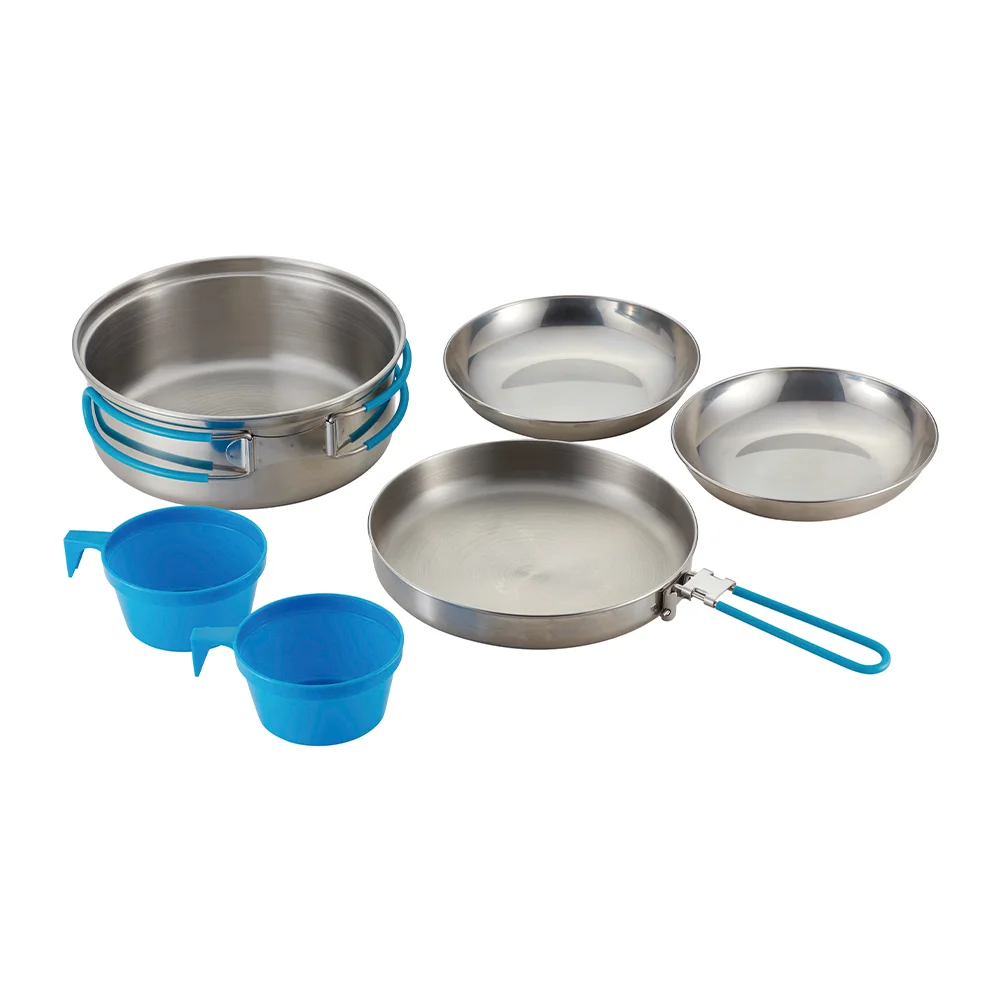
A kempingfőzőkészletek átalakulása egyszerű használati tárgyakról kifinomult szakácseszközökké tükrözi a természetközeli szabadidős tevékenységek és a kereskedelmi célú kempingműveletek egyre növekvő színvonalát. A szakmai felszerelésbeszerzők, vadon élő területeken vezető szakemberek és a komoly túrázók ma már olyan főzőrendszerekre támaszkodnak, amelyek megbízható eredményt nyújtanak a légkörülményektől és a tengerszint feletti magasságtól függetlenül. Ez az átalakulás arra kényszerítette a gyártókat, hogy olyan kereskedelmi minőségű gyártási eljárásokat és minőségellenőrzési szabványokat vezessenek be, amelyeket korábban kizárólag éttermi berendezéseknél alkalmaztak.
Annak megértéséhez, hogyan érik el a modern kempingfőzőkészletek a kereskedelmi szabványokat, meg kell vizsgálni az anyagok tudományának, a gyártási pontosságnak és a valós körülmények közötti teljesítményvizsgálatoknak a találkozási pontját. Ezek a tényezők együttesen hozzák létre tERMÉKEK azokat a készleteket, amelyek nemcsak képesek túlélni a szélsőséges körülményeket, hanem kiválóan működnek a szakmai kültéri szolgáltatási alkalmazásokban is, ahol a hiba nem megengedett.
Anyagmérnöki és szerkezeti szabványok
Rozsdamentes acél összetétele és minőségi osztályának kiválasztása
A kereskedelmi célú kempingfőzőkészletek alapja az anyagösszetételükben rejlik, különösen a szerkezetükben használt rozsdamentes acél minőségében. A prémium kempingfőzőkészletek 304-es minőségű rozsdamentes acélt alkalmaznak, amely 18% krómot és 8% nikelt tartalmaz, így kiváló korrózióállóságot és hővezetőképességet biztosít. Ennek a speciális ötvözetösszetételnek köszönhetően a főzőedények megtartják szerkezeti integritásukat akkor is, ha hosszabb ideig különböző hőmérsékleti és páratartalmi viszonyoknak vannak kitéve, amelyek gyakoriak a szabadban való használat során.
A premium minőségű kempingfőzőkészletek gyártási folyamatai mélyhúzásos technikákat alkalmaznak, amelyek hézagmentes szerkezetet hoznak létre gyenge pontok vagy terhelés alatt meghibásodható illesztések nélkül. A rozsdamentes acél alkatrészek vastagsága általában 0,8–1,2 mm között mozog, így optimális egyensúlyt teremt a súlyszempontok és a szerkezeti tartósság között. Ez a gondos anyagválogatási folyamat biztosítja, hogy a kempingfőzőkészletek ellenálljanak a kereskedelmi kültéri használat során fellépő hőciklusoknak és mechanikai igénybevételeknek.
Az anyagfeldolgozás során alkalmazott minőségellenőrzési intézkedések közé tartozik a szemcseszerkezet elemzése és a feszültségvizsgálat annak ellenőrzésére, hogy a rozsdamentes acél alkatrészek megfelelnek vagy túllépik a kereskedelmi konyhai szabványokat. Ezek a szigorú vizsgálati protokollok biztosítják, hogy a kempingfőzőkészletek az üzemelési élettartamuk során minden körülmény – akár környezeti tényezők, akár intenzív használat – mellett is konzisztens teljesítményt nyújtsanak.
Markolatdesign és hőeloszlási technológia
A fejlett kempingfőző-készletek olyan kifinomult fogantyúterveket tartalmaznak, amelyek egyaránt figyelembe veszik a biztonsági és funkcionális követelményeket, amelyek különösen fontosak a kereskedelmi alkalmazásokhoz. A szilikonból készült, belső acélmagot tartalmazó fogantyúk biztonságos fogást biztosítanak, miközben alacsony hővezetőképességük megakadályozza a hőátadást a főzési műveletek során. Ezeknek a fogantyúknak az ergonómikus terve lehetővé teszi a hosszabb ideig tartó használatot anélkül, hogy kezfáradást okoznának – ez egy kritikus tényező a professzionális kinti főzési alkalmazásoknál.
A modern kempingfőző-készletek hőeloszlási technológiája háromrétegű (tri-ply) szerkezeti eljárásokat alkalmaz, amelyek az alumínium magot rozsdamentes acél rétegek közé helyezik. Ez a konfiguráció biztosítja az egyenletes hőeloszlást a főzőfelületeken, miközben megőrzi a rozsdamentes acél külső rétegek tartósságát és korrózióállóságát. Az alumínium mag gyors és egyenletes hőátvitelt biztosít, kiküszöbölve a forró pontokat, amelyek égési sérüléseket vagy egyenetlen főzési eredményeket okozhatnának.
A mai kor termikus hatásfok-javításai kempingfőző készletekben a hővisszatartás javítását és az üzemanyag-fogyasztás csökkentését elősegítő optimalizált alapvastagságot és felületi textúrázást foglalnak magukban. Ezek a műszaki finomítások lehetővé teszik, hogy a szabadtéri főzőrendszerek teljesítményszintje összehasonlítható legyen a kereskedelmi konyhai berendezésekével, miközben hordozható üzemanyagforrásokon működnek.
Gyártási minőségellenőrzési folyamatok
Pontos megmunkálás és szerelési szabványok
Kereskedelmi szabványú kempingfőző készletek esetében pontos megmunkálási eljárásokat alkalmaznak, amelyek biztosítják a méretbeli pontosságot és az alkatrészek kompatibilitását az egész termékvonalon. Számítógéppel vezérelt gyártóberendezések 0,1 mm-es tűrést tartanak be kritikus méretek – például a fedél illeszkedése, a fogantyú rögzítési pontjai és a behelyezhetőségi konfigurációk – tekintetében. Ez a pontossági szint biztosítja, hogy a kempingfőző készletek megbízhatóan működjenek terepi körülmények között, ahol a megfelelő tömítés és az alkatrészek pontos igazítása a biztonságos üzemeltetés szempontjából elengedhetetlen.
A nagy minőségű kempingfőzőkészletek összeszerelési eljárásai dokumentált protokollokat követnek, amelyek meghatározzák a csavarozási nyomaték értékeit, az illesztési konfigurációkat és a minőségi ellenőrzési pontokat a teljes gyártási folyamat során. Minden alkatrész egyedi ellenőrzésen megy keresztül az összeszerelés előtt, különös figyelmet fordítva a hegesztési minőségre, a felületi minőségre és a méretbeli megfelelésre. Ezek a szigorú összeszerelési szabványok biztosítják, hogy a kész kempingfőzőkészletek megfeleljenek a kereskedelmi használatra szánt tartóssági követelményeknek, és állandó teljesítményjellemzőket mutassanak.
A végellenőrzési folyamatok közé tartozik az összes mozgó alkatrész funkcionális tesztelése, a hőteljesítmény ellenőrzése, valamint a folyadékot vagy gőzt tartalmazó alkatrészek nyomáspróbája. Ez a komplex minőségbiztosítási megközelítés biztosítja, hogy a gyártóüzemből kikerülő kempingfőzőkészletek megfeleljenek, vagy akár túllépjék a kereskedelmi konyhai berendezések megbízhatóságra és biztonságra vonatkozó szabványait.
Felületkezelési és felületi finomítási folyamatok
A kereskedelmi minőségű táborozó főzőkészletekre alkalmazott fejlett felületkezelések közé tartozik az elektropolírozás és a passziválás, amelyek javítják a korrózióállóságot, és sima, könnyen tisztítható felületeket hoznak létre. Ezek a felületkezelési technikák eltávolítják a mikroszkopikus felületi hibákat, amelyek baktériumokat rejtőhelyül szolgálhatnak vagy élelmiszer-ragadást okozhatnak, így biztosítva, hogy a táborozó főzőkészletek higiénikus állapotban maradjanak a hosszabb ideig tartó használat során.
A táborozó főzőkészletek kiválasztott alkatrészeire alkalmazott speciális bevonatok további nem ragadós tulajdonságot biztosítanak anélkül, hogy csökkentenék a tartósságot vagy a biztonsági előírásokat. Ezeket a bevonatokat szigorú vizsgálatoknak vetik alá annak biztosítására, hogy jól alkalmazhatók legyenek magas hőmérsékleten történő főzésre, valamint ellenállók legyenek a tisztítási eljárásokból eredő kopásnak. A felületkezelések kiválasztása és alkalmazása megfelel a kereskedelmi konyhák élelmiszer-biztonsági és hosszú távú teljesítményre vonatkozó szabványainak.
A felületkezelések minőségellenőrzése az tapadásvizsgálatot, a korrózióállóság értékelését és az élelmiszer-biztonsági tanúsítványt foglalja magában annak biztosítására, hogy a kempingfőzőkészletek megfeleljenek a kereskedelmi élelmiszer-szolgáltatási alkalmazások szabályozási követelményeinek. Ezek a komplex vizsgálati protokollok garantálják, hogy a felületkezelések fenntartsák védő és funkcionális tulajdonságaikat a berendezések várható élettartama során.
Teljesítményvizsgálati és tanúsítási szabványok
Hőteljesítmény és hatékonysági mutatók
A szigorú hőteljesítmény-vizsgálatok biztosítják, hogy a kempingfőzőkészletek elérjék a kereskedelmi kültéri főzési műveletekhez szükséges hatékonysági szintet. A vizsgálati protokollok a felmelegedési idő mérését, a hőmérséklet-eloszlás elemzését és az üzemanyag-fogyasztás számítását tartalmazzák szabványos feltételek mellett. Ezek a teljesítménymutatók mennyiségi adatokat szolgáltatnak, amelyek igazolják a kempingfőzőkészletek képességét arra, hogy konzisztens főzési eredményeket adjanak, miközben minimalizálják az üzemanyag-igényt.
A fejlett kempingfőzőkészletek különböző tengerszint feletti magasságokon és légköri körülmények között kerülnek tesztelésre annak ellenőrzésére, hogy mennyire konzisztens a teljesítményük különböző üzemeltetési környezetekben. A nagy magasságban végzett tesztek feltárják, hogyan befolyásolja a csökkent levegőnyomás és a hőmérséklet-ingadozás a főzési időt és az üzemanyag-hatékonyságot, amely információ kritikus fontosságú a különböző földrajzi régiókban szolgáló kereskedelmi üzemeltetők számára. Ez a komplex tesztelési megközelítés biztosítja, hogy a kempingfőzőkészletek megbízható teljesítményt nyújtsanak a telepítés helyétől függetlenül.
A hőmérséklet-ciklusos tesztek során a kempingfőzőkészleteket olyan ismétlődő felmelegedési és lehűlési ciklusoknak teszik ki, amelyek több évnyi rendszeres használatot szimulálnak rövidített időkeretben. Ezek az gyorsított öregedési tesztek az esetleges meghibásodási módokat azonosítják, és ellenőrzik, hogy a hőtágulás és -összehúzódás ne veszélyeztesse a szerkezeti integritást vagy a funkcionális teljesítményt hosszabb üzemidő alatt.
Tartóssági és terhelési tesztelési protokollok
A kereskedelmi célú táborozási főzőkészletek kiterjedt tartóssági vizsgálaton esnek át, amelyek közé tartoznak az ejtési tesztek, a rezgésanalízis és az ütésállóság-értékelés. Ezek a tesztek szimulálják a szállítás és terepi használat során fellépő fizikai terheléseket, így biztosítva, hogy a táborozási főzőkészletek ellenálljanak a kereskedelmi kültéri műveletekhez kapcsolódó kezelésnek. Az ütéspróbák különösen azt értékelik, hogy a komponensek képesek-e megtartani funkciójukat azok után az erőhatások után, amelyek jellemzőek a kültéri felszerelések kezelésére.
A hosszú távú tartósság értékelése során a kempingfőzőkészleteket gyorsított kopási teszteknek vetik alá, amelyek több évnyi rendszeres használatot szimulálnak összenyomott időkeretekben. A tesztek közé tartozik a főzőkészlet ismételt összeszerelése és szétszerelése, hőmérséklet-ingereknek való kitettség, valamint tisztítószerrel szembeni kémiai ellenállás vizsgálata – a tisztítószerek olyanok, amelyeket általában kereskedelmi ételfeldolgozó alkalmazásokban használnak. A tartóssági tesztek eredményei azokat az adatokat szolgáltatják a gyártóknak, amelyek szükségesek a garanciális igények alátámasztásához és a szolgáltatási élettartam becsléséhez.
A kritikus alkatrészek terhelésanalízise végeselemes modellezést alkalmaz annak azonosítására, hogy hol fordulhatnak elő lehetséges meghibásodások, és a tervezési konfigurációk optimalizálására a maximális tartósság érdekében. Ez az mérnöki megközelítés biztosítja, hogy a kempingfőzőkészletek ellenálljanak az üzemeltetési terheléseknek, miközben megőrzik a biztonsági tartalékokat, amelyek kereskedelmi alkalmazások esetén elengedhetetlenek, mivel a berendezések meghibásodása súlyos következményekkel járhat.
Biztonsági jellemzők és megfelelőségi szabványok
Élelmiszer-biztonsági és higiéniai követelmények
A modern táborozási főzőkészletek olyan tervezési jellemzőket tartalmaznak, amelyek kifejezetten a kereskedelmi élelmiszer-biztonsági szabványoknak való megfelelésre lettek kialakítva, ideértve a baktériumnövekedést gátló és alapos tisztíthatóságot biztosító sima belső felületeket. A nem pórusos felületkezelések megakadályozzák a szennyeződések felszívódását, miközben fenntartják a kereskedelmi fertőtlenítőszerekkel szembeni vegyi ellenállást. Ezek a biztonsági funkciók biztosítják, hogy a táborozási főzőkészletek megfelelő higiéniai körülményeket tudjanak fenntartani a kereskedelmi élelmiszer-szolgáltatási műveletekhez szükséges kültéri környezetben.
Az élelmiszerrel érintkező anyagok kiválasztása a táborozási főzőkészletekben az FDA és az európai élelmiszer-biztonsági szabályozásoknak megfelelően történik, és tanúsítványok igazolják a nehézfém-kiválásra vonatkozó határértékek és a vegyi anyagok átjutására vonatkozó szabványok betartását. kapcsolat ezek a tanúsítványok kereskedelmi üzemeltetők számára dokumentációt nyújtanak, amelyek szükségesek a közegészségügyi hatóságok előírásainak és a biztosítási kötelezettségeknek való megfeleléshez, ha a táborozási főzőkészleteket bevételt generáló élelmiszer-szolgáltatási alkalmazásokban használják.
A tisztítás és fertőtlenítés szempontjából figyelembe veendő tervezési szempontok közé tartoznak a hozzáférhető sarkok, a sima átmenetek a felületek között, valamint a leszerelhető alkatrészek, amelyek lehetővé teszik a részletes ellenőrzést és karbantartást. Ezek a funkciók lehetővé teszik, hogy a kempingfőző-készletek megfeleljenek a kereskedelmi mosogatási szabványoknak, és támogassák az élelmiszer-biztonsági előírások betartásához szükséges tisztítási protokollokat a professzionális különféle környezetben folytatott főzési műveletek során.
Működési biztonság és felhasználóvédelem
A kereskedelmi minőségű kempingfőző-készletek biztonsági mérnöki megoldásai közé tartoznak például a fedeleket rögzítő zármechanizmusok szállítás közben, a hőálló fogantyúk, amelyek a főzési műveletek során is hűvösek maradnak, valamint az egyenetlen felületeken is megakadályozó felborulást biztosító stabil alapkonfigurációk. Ezek a biztonsági funkciók csökkentik a balesetek és sérülések kockázatát, amelyek komoly felelősségi kérdéseket vetnének fel a kereskedelmi különféle környezetben működő szervezetek számára.
A kempingfőzőkészletek figyelmeztető címkéi és üzemeltetési utasításai egyértelmű útmutatást nyújtanak a biztonságos kezelési eljárásokról, a maximális hőmérsékleti határokról és a megfelelő karbantartási követelményekről. Ez a dokumentáció segíti a kereskedelmi üzemeltetőket a biztonsági képzési programok és az üzemeltetési eljárások kialakításában, amelyek minimalizálják a kockázatot, miközben maximalizálják a berendezések teljesítményét és élettartamát.
A kempingfőzőkészletekbe beépített vészhelyzeti reakciós szempontok közé tartozik a gyors lehűlési képesség, a biztonságos tárolási konfigurációk és a szabványos tűzoltórendszerekkel való kompatibilitás. Ezek a funkciók biztosítják, hogy a kempingfőzőkészletek biztonságosan kezelhetők legyenek azokban a vészhelyzetekben, amelyek akár kereskedelmi célú kültéri főzési műveletek során is felmerülhetnek.
Piaci alkalmazások és kereskedelmi felhasználási esetek
Szakmai kültéri vendéglátási műveletek
A kereskedelmi célú, szabadtéri ételkészítéssel foglalkozó cégek a magas teljesítményű tábortűzös főzőkészletekre támaszkodnak, hogy az élelmiszer-minőséget következetesen biztosítsák akkor is, ha távoli helyszíneken működnek, ahol nem állnak rendelkezésre hagyományos konyhai berendezések. Ezekben az alkalmazásokban olyan eszközökre van szükség, amelyek képesek nagy mennyiségű étel elkészítésére, miközben megőrzik a kereskedelmi élelmiszer-szolgáltatásban elvárt megbízhatóságot és biztonsági szabványokat. A professzionális tábortűzös főzőkészleteknek ellenállóknak kell lenniük a napi használatnak a forgalmas catering szezonok során, miközben következetes főzési teljesítményt nyújtanak.
A rendezvények kiszolgálása szabadtéri helyszíneken olyan táborozási főzőkészleteket igényel, amelyek képesek nagyobb csoportok számára étkezést készíteni, miközben megfelelnek a kereskedelmi élelmiszer-előkészítésre vonatkozó egészségügyi hatósági előírásoknak. Ezeknek a főzőrendszereknek a hordozhatósága és gyors üzembe helyezhetősége lehetővé teszi a kiszolgálási műveletek számára, hogy különféle helyszíneken is tevékenykedhessenek, miközben fenntartják az élelmiszer-minőséget és -biztonságot. Professzionális szintű táborozási főzőkészletek biztosítják azt a teljesítmény-stabilitást, amely szükséges a hírnév és az ügyfélégedettség támogatásához a versengő kiszolgálási piacokon.
A kereskedelmi célú szabadtéri kiszolgálási műveletek biztosítási és felelősségi szempontjai szükségessé teszik a tanúsított berendezések használatát, amelyek megfelelnek az iparági biztonsági szabványoknak. A magas minőségű táborozási főzőkészletek biztosítják a dokumentációt és a teljesítménytörténetet, amelyet a biztosító társaságok elvárnak a kereskedelmi szabadtéri élelmiszer-szolgáltatási műveletek biztosításakor, ezért ezek elengedhetetlen beruházások a professzionális kiszolgálók számára.
Természetjáró-vezető szolgálatok és expedíciós főzés
A szakmai vadonvezető-szolgáltatások megbízható táborozási főzőkészletekre támaszkodnak, hogy biztonságos és tápláló étkezéseket nyújtsanak az ügyfeleknek többnapos expedíciók során. Ezekben a felhasználási területeken olyan felszerelésre van szükség, amely időjárási viszonyoktól, tengerszint feletti magasságváltozásoktól vagy karbantartás nélküli hosszabb használati időszakoktól függetlenül egyenletesen működik. A vezető-szolgáltatások a felszerelésük megbízhatóságára építik jó hírüket, ezért kereskedelmi célra gyártott táborozási főzőkészletek elengedhetetlen eszközök a szakmai kültéri műveletekhez.
Az oktatási és terápiás kültéri programok a táborozási főzőkészleteket nemcsak gyakorlati eszközként, hanem oktatási forrásként is használják, ezért olyan felszerelésre van szükség, amely megfelelő élelmiszer-biztonsági gyakorlatokat mutat be, miközben ellenáll a kezdő felhasználók intenzív használatának. A kereskedelmi célra gyártott táborozási főzőkészletek tartóssága és biztonsági funkciói ideálisak ezen alkalmazásokhoz, ahol a felszerelés meghibásodása veszélyeztetheti a program célkitűzéseit vagy a résztvevők biztonságát.
A nemzetközi expedíciókra vonatkozó előírások gyakran speciális felszerelési szabványokat és tanúsításokat tartalmaznak, amelyeket a kereskedelmi célú kempingfőzőkészleteknek teljesíteniük kell az export és a működési engedély megszerzése érdekében különböző országokban. Ezek a szabályozási követelmények arra késztetik a gyártókat, hogy magas minőségi szintet és átfogó dokumentációt biztosítsanak, amely támogatja a professzionális kinti főzőfelszerelések globális elosztását.
Innováció és jövőbeli fejlesztési irányzatok
Fejlett Anyagok és Gyártástechnológiák
A kempingfőzőkészletekben alkalmazott új anyagtechnológiák közé tartoznak a titánötvözetek és a fejlett kerámiakompozitok, amelyek kiváló szilárdság–tömeg arányt nyújtanak, miközben megőrzik a kereskedelmi alkalmazásokhoz szükséges hőteljesítmény-jellemzőket. Ezek az anyagi innovációk lehetővé teszik a könnyebb kempingfőzőkészletek fejlesztését anélkül, hogy kompromisszumot kellene kötni a tartósság vagy a főzési teljesítmény terén, így választ adnak a professzionális kinti szolgáltatók egyre változó igényeire, akiknek egyensúlyt kell teremteniük a felszerelés funkcionális képessége és a hordozhatósági követelmények között.
A gyártási automatizálás fejlődése lehetővé teszi a termelési folyamatok pontosabb szabályozását, amely eredményként kemping-főzőkészleteket eredményez szűkebb tűréshatárokkal és egyenletesebb teljesítményjellemzőkkel. Az automatizált minőségellenőrző rendszerek olyan hibákat is észlelhetnek, amelyeket a kézi ellenőrzés esetleg kihagyhatna, így biztosítva, hogy a kereskedelmi célra szolgáló kemping-főzőkészletek megőrizzék a professzionális alkalmazásokhoz szükséges megbízhatósági szabványokat.
Az additív gyártási technológiák lehetőséget nyújtanak összetett belső geometriák létrehozására a kemping-főzőkészletekben, amelyek optimalizálják a hőeloszlást, csökkentik a súlyt, miközben megtartják a szerkezeti integritást. Ezek az újító gyártási technikák lehetővé teszik olyan kemping-főzőkészletek gyártását, amelyek teljesítményjellemzői meghaladják a hagyományos gyártási módszerekkel elérhető lehetőségeket.
Okos technológia integrációja és teljesítményfigyelése
Az intelligens szenzorok integrálása a fejlett kempingfőző-készletekbe lehetővé teszi a főzési hőmérséklet, az üzemanyag-fogyasztás és a berendezések állapotának valós idejű figyelését. Ez a technológia a kereskedelmi üzemeltetők számára azokat az adatokat biztosítja, amelyek szükségesek a főzési folyamatok optimalizálásához, a karbantartási igények előrejelzéséhez és az élelmiszer-minőség konzisztenciájának biztosításához több főzési művelet során is. Az intelligens kempingfőző-készletek a hagyományos szabadtéri főzőberendezések és a modern információs technológia összefonódását jelentik.
A csatlakoztatott kempingfőző-készletek távoli figyelési képességei lehetővé teszik a kereskedelmi üzemeltetők számára, hogy több helyszínen is nyomon kövessék a berendezések teljesítményét, és azonosítsák azokat a lehetőségeket, amelyek csökkentik az üzemeltetési költségeket, miközben javítják a szolgáltatás minőségét. Ez a technológiai integráció támogatja az adatvezérelt döntéshozatalt, amely jellemez minden iparágban a modern kereskedelmi műveleteket.
Az intelligens kempingfőzőkészletek előrejelző karbantartási funkciói figyelmeztethetik a kezelőket a potenciális berendezésproblémákra, még mielőtt azok meghibásodáshoz vezetnének, így csökkentve a leállás idejét és fenntartva azt a megbízhatóságot, amelyre a kereskedelmi célú szabadtéri tevékenységek szükségük van. Ez a proaktív berendezéskezelési megközelítés jelentős fejlődést jelent a hagyományos, reaktív karbantartási stratégiákhoz képest.
GYIK
Milyen tanúsítványokkal kell rendelkezniük a kereskedelmi célra használt kempingfőzőkészleteknek?
A kereskedelmi célra használt kempingfőzőkészleteknek élelmiszer-biztonsági tanúsítvánnyal kell rendelkezniük elismert szervezetektől, például az NSF Internationaltól vagy egyenértékű szabályozó hatóságoktól. Ezek a tanúsítványok igazolják, hogy az anyagok és a kivitelezés megfelel az élelmiszerrel érintkező kereskedelmi alkalmazásokra vonatkozó szabványoknak. Emellett érdemes olyan ISO minőségirányítási tanúsítványokat keresni, amelyek a gyártási folyamatok konzisztenciáját és a minőségellenőrzési rendszerek működését igazolják.
Hogyan érik el a kempingfőzőkészletek a következetes hőeloszlást szabadtéri körülmények között?
A nagy minőségű kempingfőző-készletek háromrétegű szerkezetet használnak, amelyben az alumínium magot rozsdamentes acél rétegek veszik körül, így biztosítva az egyenletes hőeloszlást. Az alumínium mag gyors hőátvitelt biztosít, míg a rozsdamentes acél külső réteg tartósságot és korrózióállóságot nyújt. Az alap vastagságának optimalizálása és a felület textúrázása tovább javítja a hőteljesítményt, és megszünteti a forró foltokat, amelyek negatívan befolyásolhatnák a főzés minőségét.
Milyen karbantartási eljárások szükségesek a kereskedelmi célra használt kempingfőző-készletekhez?
A kereskedelmi célra használt kempingfőző-készletek rendszeres tisztítást igényelnek megfelelő fertőtlenítőszerekkel, valamint minden alkatrész ellenőrzését kopás vagy sérülés szempontjából, és időszakos alapos tisztítást az élelmiszer-biztonsági szabványok fenntartása érdekében. A fogantyúkat és mozgó alkatrészeket működésük szempontjából kell ellenőrizni, és szükség esetén kenésre is szükség lehet. A karbantartási tevékenységek dokumentálása elengedhetetlen a kereskedelmi üzemeltetés során a szabályozási előírások és a garanciális kötelezettségek teljesítése érdekében.
Mennyi ideig tarthatnak el a kereskedelmi célra gyártott kempingfőző-készletek rendszeres használat mellett?
A kereskedelmi alkalmazásokra tervezett, jól gyártott kempingfőző-készletek általában 5–10 évig nyújtanak megbízható szolgáltatást rendszeres használat mellett, egyes prémium modelljek pedig megfelelő karbantartás esetén még hosszabb ideig is üzemképesek maradnak. A szolgáltatási időtartam függ a használat intenzitásától, a környezeti feltételektől és a javasolt karbantartási eljárások betartásától. A kereskedelmi üzemeltetőknek a berendezés teljesítményének figyelése és a gyártó ajánlásai alapján kell meghatározniuk a cserére vonatkozó ütemterveket.
