 EN
EN
 AR
AR
 BG
BG
 HR
HR
 CS
CS
 DA
DA
 NL
NL
 FI
FI
 FR
FR
 DE
DE
 EL
EL
 IT
IT
 JA
JA
 KO
KO
 NO
NO
 PL
PL
 PT
PT
 RO
RO
 RU
RU
 ES
ES
 SV
SV
 TL
TL
 IW
IW
 ID
ID
 SR
SR
 SK
SK
 UK
UK
 VI
VI
 SQ
SQ
 HU
HU
 TH
TH
 TR
TR
 MS
MS
 GA
GA
 CY
CY
 IS
IS
 HY
HY
 AZ
AZ
 KA
KA

Mikä tekee kantinista välttämättömän ulkoilu- ja sotilaskäyttöön soveltuvan esineen?
Kun liikutaan erämaassa tai suoritetaan sotilastoimintoja, luotettava nesteytysvaruste on elintärkeää selviytymisen ja suorituskyvyn kannalta. Ulkoilulla käytettävä kantinen on yksi perustarpeista, joihin ulkoiluharrastajat, sotilaat ja selviytymisasiantuntijat luottavat oikeanlaisen nesteytyksen ylläpitämiseksi haastavissa olosuhteissa. Nämä erityiset vesivarat varastointiastiat ovat kehittyneet huomattavasti sotilaallisesta alkuperästään ja ovat nykyisin korvaamattomia työkaluja vaeltajille, leiriytyjille, reppäreille ja kaikille, jotka viettävät pitkää aikaa perinteisten vesilähteiden ulottumattomissa.
Veden kantamisen merkitystä ei voi liioitella, kun osallistutaan ulkoilutoimintoihin tai sotilaallisiin tehtäviin. Dehydraatio voi nopeasti heikentää kognitiivista toimintakykyä, fyysistä suorituskykyä ja päätöksentekokykyä, mikä saattaa johtaa vaarallisiin tilanteisiin syrjäseuduilla. Perinteiset vesipullot usein puuttuvat kestävyydestä ja erikoistuneista ominaisuuksista, joita äärimmäisissä olosuhteissa tarvitaan, minkä vuoksi kannut ovat vakavissa ulkoilukäyttötarkoituksissa suositumpi vaihtoehto.
Historiallinen kehitys ja sotilaallinen perintö
Alkuperä sotilaallisissa sovelluksissa
Kantinen kehitys juontaa juurensa sotilaallisesta tarpeesta vuosisatojen takaa, kun sotilaiden piti käyttää kantettavaa veden säilytystä, joka kesti ankaria taistelukenttäolosuhteita. Aikaisemmat versiot valmistettiin materiaaleista, kuten puusta, nahasta ja lopulta metallista, ja jokainen uusi versio paransi kestävyyttä ja toiminnallisuutta. Maailmanlaajuisesti sotilaat tunnustivat, että joukkojen kosteuden ylläpito vaikutti suoraan taistelukelpoisuuteen ja selviytymisprosentteihin.
Toisen maailmansodan aikana standardoidut sotilaskantinit tulivat olennaiseksi varusteeksi jokaiselle palvelusmiehelle, ja niissä oli tarkat tilavuusmitat sekä kiinnitysjärjestelmät, jotka sopivat sotilasvarusteisiin. Nämä suunnitteluratkaisut loivat monet nykyaikaisten ulkoilijoiden edelleen käyttämät perusominaisuudet, kuten vuotamattoman rakenteen, lämpötilankestävyyden ja yhteensopivuuden vedenpuhdistusjärjestelmien kanssa.
Kehittyminen siviiliulkoilumarkkinoille
Kun ulkoiluviihtyminen yleistyi toisen puoliskon vuosisadalla, siviilikäyttöön tarkoitetut valmistajat alkoivat sovittaa sotilaallisia kantinimallistoja leirikäyttöön, vaellukseen ja selviytymistarkoituksiin. Tämä siirtymä toi mukanaan parannuksia materiaaliteknologiassa, valmistusmenetelmissä ja ergonomisessa suunnittelussa, säilyttäen samalla kestävän luotettavuuden, joka teki sotilaskantinista legendaarisia palvelushenkilöstön keskuudessa.
Nykyaikaisten ulkoiluleirien kantinimallit sisältävät edistyneitä materiaaleja, kuten elintarvikelaatuisia ruostumattomia teräksiä, BPA:ta sisältämättömiä muoveja ja erikoispinnoitteita, jotka parantavat suorituskykyä samalla kun vähentävät painoa. Nämä innovaatiot ovat laajentaneet kantinien suosiota sotilaallisen käytön ulkopuolelle, kattamaan harrastepohjaisen leirikeskustelun, hätävarautumisen ja ammattiin liittyvät ulkoiluympäristöt.
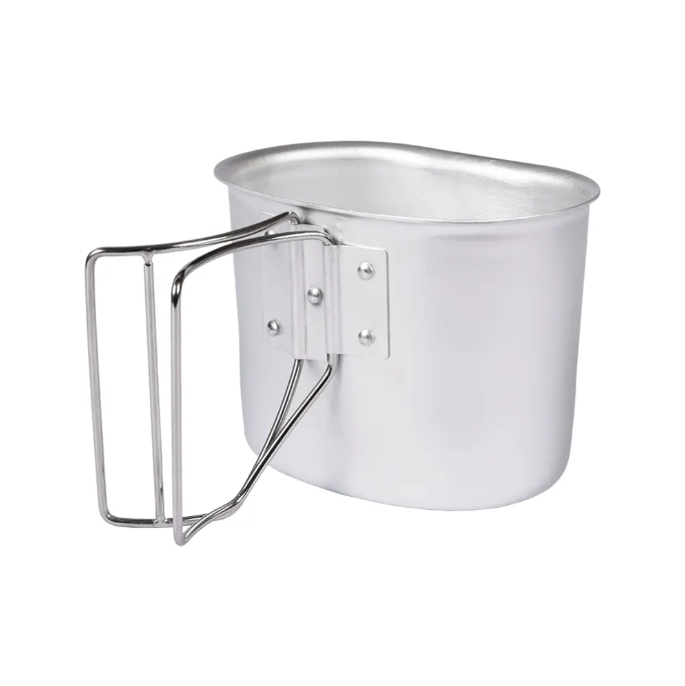
Olemattomat suunnittelun ominaisuudet ja rakenne
Materiaalin valinta ja kestovuus
Laadukkaat termospullot käyttävät materiaaleja, jotka on erityisesti valittu kestämään ääriolosuhteita, kuten ääriarvoja lämpötiloissa, fyysisissä iskuissa ja pitkäaikaisessa ulkoilma-altistuksessa. Rostumaton teräs on edelleen kullanmittari monissa sovelluksissa sen korroosionkestävyyden, kyvyn säilyttää veden lämpötila ja yhteensopivuuden vuoksi avotulen kanssa tarvittaessa lämmennettäessä.
Vaihtoehtoiset materiaalit, kuten alumiini, tarjoavat painonsäästöjä samalla kun ne säilyttävät kestävyytensä, vaikka niitä täytyy sisäpuolelta erityisillä pinnoitteilla suojata metallisen maun ja mahdollisten terveyshaittojen estämiseksi. Edistyneet polymeerimateriaalit tarjoavat kevyimmät vaihtoehdot samalla kun ne tarjoavat erinomaisen iskukestävyyden ja joustavuuden äärimmäisen kylmissä olosuhteissa, joissa metallipullot voivat aiheuttaa ongelmia.
Tilavuus- ja kantuvuusharkinnat
Vakiopannujen tilavuus vaihtelee yhden ja kahden litran välillä, mikä tarjoaa tasapainon riittävän vesimäärän ja käyttökelpoisen painon välillä pitkien matkojen aikana. Vedenkapasiteetin ja kokonaisjärjestelmän painon suhde on erityisen tärkeä monipäiväisillä retkillä, joissa jokainen unssi vaikuttaa reppujen kokonaispainoon ja liikkuvuuteen.
Ergonomiset suunnitteluelementit sisältävät muotoillut muodot, jotka istuvat mukavasti vasten kehoa, teksturoidut pinnat varmistaakseen luotettavan otteen myös kostealla kädellä sekä kiinnityspisteet, jotka sopivat useisiin erilaisiin kantojärjestelmiin. Nämä ominaisuudet varmistavat, että ulkoilumajoituksen pannu pysyy helposti saatavilla ja toiminnassa riippumatta ympäristöolosuhteista tai fyysisistä vaatimuksista.
Suorituskykyedut ulkoiluympäristöissä
Lämpötilan hallintakyky
Yhden parhaan laadukkaan kahvilarin etujen merkitys on kyky hallita veden lämpötilaa erilaisissa ympäristöolosuhteissa. Eristetyt suunnittelut voivat säilyttää kylmän veden lämpötilan kuuman säätäessä samalla kun estetään jäätyminen kylmissä olosuhteissa, mikä laajentaa käyttökelpoista lämpötila-aluea verrattuna tavallisiin vesipulloihin.
Metallikahvilarit tarjoavat ainutlaatuisia etuja lämpötilan säätelyssä, mahdollistaen käyttäjille veden lämmittämisen suoraan leiripaloissa tai kannettavilla liesioilla, kun se on turvallista tehdä. Tämä ominaisuus on korvaamaton kuumien juomien valmistuksessa, epäilyttävän veden steriloinnissa tai lämmön tarjoamisessa kylmän säätäessä hätätilanteissa.
Vuodonestävyys ja luotettavuus
Ammattiluokan kahvilarit sisältävät useita tiivistysmekanismeja ja kestäviä sulkuelimistöjä, jotka on suunniteltu estämään vesihäviö myös äärioLOSUHTEISSA. Nämä ominaisuudet ovat kriittisiä pitkissä retkissä, joissa veden säästö vaikuttaa suoraan turvallisuuteen ja tehtävän onnistumiseen.
Sotilaallisia ja ulkoilucanterneja testattaessa käytetään usein painetestauksia, pudotustestausta ja lämpötilan vaihtelutestausta varmistaakseen, että ne toimivat luotettavasti kaikissa odotetuissa käyttöolosuhteissa. Tämä laadunvarmistustaso takaa luotettavan toiminnan silloin, kun sitä eniten tarvitaan.
Ulkoilu- ja taktisten varusteiden järjestelmien integrointi
Yhteensopivuus kantovarusteen kanssa
Modernit canternit on suunniteltu integroitumaan saumattomasti erilaisiin kantojärjestelmiin, kuten sotilaalliseen kuormansiirtovarusteeseen, ulkoilureppuihin ja taktisiin varustekonfiguraatioihin. Standardoidut kiinnityspisteet ja modulaariset suunnitteluratkaisut mahdollistavat tukevan kiinnityksen samalla kun säilytetään nopea käytettävyys tarvittaessa.
Kyky kiinnittää kannut ulkoisiin reppujen kiinnityspisteisiin auttaa painon jakamisessa tehokkaasti ja pitää juomaveden saatavilla ilman, että reppua tarvitsee ottaa pois. Tämä saavutettavuus on ratkaisevan tärkeää toiminnallisuuksissa, joissa kosteuspidon ylläpito vaikuttaa suoraan suoritukseen ja turvallisuustuloksiin.
Vedenpuhdistusjärjestelmän yhteensopivuus
Laadukkaat kannut sisältävät usein kierre- ja avausrakenteita, jotka ovat yhteensopivia erilaisten vedenpuhdistusjärjestelmien kanssa, kuten suodattimien, UV-sterilointilaitteiden ja kemiallisten käsittelytablettien kanssa. Tämä yhteensopivuus mahdollistaa käyttäjille luonnonlähteistä saatavan veden turvallisen käsittelyn samalla kun säilytetään ensisijaisen vesihuoltosysteemin mukavuus ja luotettavuus.
Integrointimahdollisuudet ulottuvat myös veden lämmitysjärjestelmiin ja ruoanlaittolaitteisiin, mikä mahdollistaa kannun monikäytön pelkän vedenvarastoinnin laajennuksena. Tämä monipuolisuus vähentää kokonaisvarustustarvetta samalla kun säilytetään täysi toiminnallisuus pidemmissä ulkoilutoiminnoissa.
Ylläpito- ja pitkäkestoisuusnäkökohdat
Puhdistus- ja desinfektio протоколli
Ulkoiluruokailulaitteiston asianmukainen huolto takaa pitkäaikaisen luotettavuuden ja estää bakteerikasvusta tai saastumisesta johtuvat terveyshuolenaiheet. Ruistamoteräs- ja alumiiniruokailulaitteet kestävät yleensä kovia puhdistusmenetelmiä, kuten kiehuvan veden käyttöä desinfioinnissa ja erikoispuhdistusaineita.
Tiivistepintojen, kierreosien ja sulkulaitteiden säännöllinen tarkistus auttaa tunnistamaan mahdolliset vikaantumiskohdat ennen kuin ne vaarantavat ruokailulaitteen toiminnan. Laadukkaiden ruokailulaitteiden varaosien saatavuus mahdollistaa korjaukset paikan päällä ja pidentää käyttöikää merkittävästi ylittäen kertakäyttövaihtoehdot.
Säilytys ja konservoiminen
Asianmukaiset varastointimenetelmät auttavat ylläpitämään ruokailulaitteen kuntoa käyttökelpoisuuden aikana ja estävät vahingoittumisen äärilämpötilojen, kosteuden kertymisen tai fyysisten iskujen vuoksi. Kuiva varastointi kannen ollessa hieman löysällä estää paineen kertymisen samalla säilyttäen puhtauden ja valmiuden välittömään käyttöön.
Pitkäaikainen säilytys saattaa sisältää ajoittaisia desinfiointikierroksia ja tarkastusmenettelyjä, jotka varmistavat, että kanttiini pysyy käyttövalmiina riippumatta varastointiajasta. Nämä käytännöt ovat erityisen tärkeitä hätävarautumissovelluksissa, joissa kanttiinit voivat jäädä käyttämättä pitkiksi ajoiksi.
UKK
Minkä kapasiteetin kanttiini on paras päiväretkille verrattuna monipäiväisiin retkiin
Päiväretkille yksi litran kanttiini tarjoaa yleensä riittävän määrän vettä, kun se yhdistetään suunniteltuihin vesiläpituksiin varustettujen reittien varrella. Monipäiväisiin retkiin tarvitaan yleensä suurempia kapasiteetteja tai useita kanttineita, yhteensä kaksi–kolme litraa, riippuen vesilähteiden saatavuudesta ja yksilön nesteytystarpeista. Ota huomioon ympäristöolosuhteet, fyysisen rasituksen taso ja hätävaravettä koskevat vaatimukset määrittäessäsi optimaalista kapasiteettia.
Miten metallikanttiinit vertautuvat muovipulloihin ulkoilukäytössä
Metalliset tölkit tarjoavat paremman kestävyyden, lämpötilanhallinnan ja lämmityksen yhteensopivuuden verrattuna muovipulloihin, mikä tekee niistä ideaalisen vaihtoehdon ääriolosuhteisiin ja pitkäaikaiseen käyttöön. Muoviset vaihtoehdot tarjoavat painonsäästöjä ja alhaisemman hinnan, mutta ne saattavat jäädä jälkeen kestävyydessä ja monikäytössä, jotka vaaditaan vakavissa ulkoilusovelluksissa. Valinta riippuu tietyistä käyttötarkoituksista, painorajoituksista ja tarkoitetuista käyttöympäristöistä.
Voiko tölkit turvallisesti lämmittää avotulella
Rustoitumattomasta teräksestä ja alumiinista valmistetut tölkit voidaan yleensä lämmittää avotulella, jos valmistajan määrittelyt sallivat sen, mutta kanttiin ja tiivisteet on poistettava paineen kertymisen ja vaurioiden estämiseksi. On aina varmistettava materiaalin yhteensopivuus ja lämmitysrajoitukset ennen kuin tölkiä lämmitetään suoraan tulen päällä. Tämä ominaisuus tarjoaa merkittäviä etuja veden desinfiointiin ja kuumien juomien valmistamiseen kenttäolosuhteissa.
Minkälaista huoltoa vaaditaan, jotta tölkit toimivat oikein
Säännöllinen puhdistus soveltuvilla desinfiointiliuoksilla, tiivisteiden ja kierreosien tarkistus sekä asianmukainen kuivatus ennen säilytystä ylläpitävät parasta kannun toimintaa. Vaihda kuluneet tiivisteet, gasketit tai kantimet tarpeen mukaan estääksesi vuodot ja saastumisen. Ajoittaiset syväpuhdistus- ja desinfiointikierrokset auttavat ehkäisemään bakteerikasvua ja ylläpitämään veden laatu pidemmissä käyttöjaksoissa.
