 EN
EN
 AR
AR
 BG
BG
 HR
HR
 CS
CS
 DA
DA
 NL
NL
 FI
FI
 FR
FR
 DE
DE
 EL
EL
 IT
IT
 JA
JA
 KO
KO
 NO
NO
 PL
PL
 PT
PT
 RO
RO
 RU
RU
 ES
ES
 SV
SV
 TL
TL
 IW
IW
 ID
ID
 SR
SR
 SK
SK
 UK
UK
 VI
VI
 SQ
SQ
 HU
HU
 TH
TH
 TR
TR
 MS
MS
 GA
GA
 CY
CY
 IS
IS
 HY
HY
 AZ
AZ
 KA
KA

لماذا يُعتبر طقم طبخ التخييم ضروريًّا للمغامرات الخارجية؟
يُدرك عشاق الأنشطة الخارجية أن المعدات المناسبة قد تُحقِّق النجاح أو تُسبِّب الفشل في أي مغامرة. وعند التوجُّه إلى البريَّة، يصبح امتلاك الأدوات المناسبة لإعداد الوجبات أمراً حاسماً للبقاء وللاستمتاع في آنٍ معاً. ويُشكِّل طقم الطهي المخصص للتخييم عالي الجودة الأساس الذي يُبنى عليه إعداد وجبات غنية بالعناصر الغذائية، والحفاظ على مستويات الطاقة، وضمان نجاح التجربة الخارجية. فسواءً كنتِ من هواة التنزُّه لعطلة نهاية الأسبوع أو من محترفي المشي لمسافات طويلة، فإن المغامرين الخارجيين يعتمدون على معدات الطهي المدمجة والمتينة لتحويل المكونات الأساسية إلى وجبات شهية في ظل الظروف الصعبة.
تطورت طريقة الطهي في الأماكن المفتوحة بشكلٍ كبير منذ الأيام التي اقتصرت فيها على أكواب صفيح بسيطة وأدوات مطبخ أساسية. ففي يومنا هذا، تشمل خيارات مجموعات الطهي الخاصة بالتخييم مواد متقدمة وتصاميم مبتكرة وميزات توفّر المساحة، مما يُحسّن الوظائف إلى أقصى حدٍّ مع تقليل وزن الحقيبة قدر الإمكان. وقد صُمّمت هذه الأنظمة المتخصصة للطهي لتحمل درجات الحرارة القصوى، وللمقاومة التآكل، ولتقديم أداءٍ موثوقٍ في البيئات الخارجية القاسية. ويعكس تطوّر معدات الطهي في الأماكن المفتوحة المتطلبات المتزايدة لمُحبّي المغامرات الذين لا يقبلون التنازل عن جودة الوجبات أثناء رحلاتهم الاستكشافية.
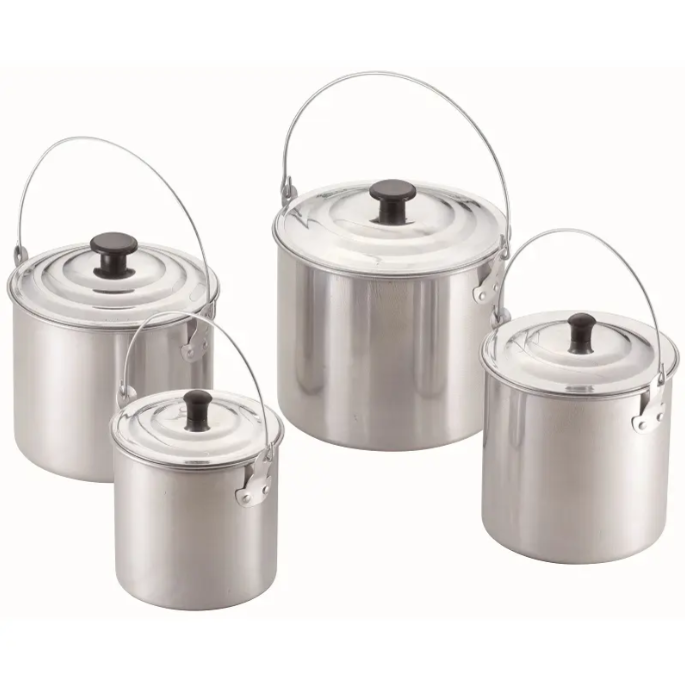
المكونات الأساسية لأنظمة الطهي الحديثة في الأماكن المفتوحة
عناصر أواني الطهي الأساسية
يتضمن كل طقم طبخ فعّال للتنزه مكونات أساسية مصممة لتعدد الاستخدامات والمتانة. وتُشكّل القدور والأواني العمود الفقري لعمليات الطهي في الأماكن المفتوحة، حيث تتراوح أحجامها عادةً بين وحدات صغيرة تكفي لوجبة واحدة وخيارات أكبر مناسبة للوجبات الجماعية. وتوفّر التصنيعة من الفولاذ المقاوم للصدأ توزيعاً متفوقاً للحرارة ومقاومة عالية للتآكل، ما يجعلها المادة المفضلة لدى عشاق الأنشطة الخارجية الجادين. كما أن سماكة جدران أواني الطهي تؤثر على كلٍّ من الوزن وأداء الطهي، مما يتطلب مراعاة دقيقة بناءً على أنماط الاستخدام المقصودة.
تُحسِّن الميزات المتخصصة وظائف أواني الطهي الخاصة بالتخييم الحديثة بما يتجاوز القدرات الأساسية للتسخين. وتقلل الطلاءات غير اللاصقة من متطلبات التنظيف وتمنع التصاق الطعام في الظروف الخارجية الصعبة. وتُحسِّن المقابض القابلة للطي كفاءة التعبئة مع الحفاظ على السلامة الإنشائية أثناء الاستخدام. وتلغي العلامات المقسَّمة للقياس الحاجة إلى أدوات قياس منفصلة، مما يبسِّط عمليات إعداد الوجبات. وتُظهر هذه العناصر التصميمية المدروسة كيف أن مصنِّعي طقم أواني الطهي الخاصة بالتخييم في العصر الحديث يولون أولوية قصوى لراحة المستخدم دون المساس بمعايير المتانة أو الأداء.
الإكسسوارات والأدوات الداعمة
تُحوِّل الملحقات التكميلية أواني الطهي الأساسية إلى أنظمة متكاملة للمطابخ الخارجية. وتتميَّز الملاعق المسطحة والملعقات والأدوات المستخدمة في التقديم، والمصمَّمة خصيصًا للاستخدام أثناء التخييم، بكونها مصنوعة من مواد مقاومة للحرارة وبأحجامها المدمجة التي تسمح بتداخلها بكفاءة داخل أواني الطهي الرئيسية. ويجب أن يوفِّر سكاكين التقطيع توازنًا بين الحدة والسلامة، وغالبًا ما تتضمَّن أغطية واقية أو تصاميم قابلة للطي لمنع وقوع الحوادث أثناء النقل. وتُخضع هذه الملحقات لاختبارات صارمة لضمان موثوقيتها في الظروف القاسية النموذجية المصاحبة للمغامرات الخارجية.
تُحسِّن حلول التخزين المدمجة في تصاميم مجموعات الطهي الخاصة بالتخييم من التنظيم وسهولة الوصول أثناء إعداد الوجبات. وتوفِّر الحقائب الشبكية رؤيةً واضحةً وتَهوئةً جيدةً مع احتواء العناصر غير المثبتة بشكل آمن. أما الحاويات القابلة للتراص فهي تُحسِّن استغلال المساحة داخل الظهرَيات أو مناطق التخزين في المركبات. وتتيح نقاط التثبيت والحلقات الحلزونية (Carabiner loops) تركيب المعدات بشكل آمن على الإطارات الخارجية للحقائب أو الأثاث الخاص بالتخييم. وتعكس هذه الميزات التنظيمية حقيقة أن التعبئة الفعَّالة والوصول السريع إلى المعدات يمكن أن تؤثر تأثيرًا كبيرًا في تجربة الطهي في الأماكن المفتوحة.
علم المواد وعوامل المتانة
مزايا الفولاذ المقاوم للصدأ
يُهيمن الفولاذ المقاوم للصدأ على تصنيع طقم الطهي المخصص للتخييم الفاخر نظرًا لمزيجه الاستثنائي من الخصائص الضرورية للاستخدام في الأماكن المفتوحة. وتضمن مقاومته للتآكل موثوقيةً طويلة الأمد حتى عند التعرّض للرطوبة والملح والأغذية الحمضية التي تُصادَف عادةً أثناء رحلات التخييم. كما أن طبيعة المادة غير التفاعلية تمنع ظهور النكهة المعدنية في الطعام، مما يحافظ على جودة الوجبات بغض النظر عن مدة الطهي. وتساعد خصائص احتفاظها بالحرارة على إنجاز عملية الطهي بكفاءة، مع خفض استهلاك الوقود — وهي اعتبارٌ حاسمٌ في الرحلات البرية البعيدة الممتدة، حيث تكون فرص إعادة التزود بالمؤن محدودة.
تؤثر عمليات التصنيع تأثيرًا كبيرًا على خصائص الأداء الخاصة بأواني الطهي المصنوعة من الفولاذ المقاوم للصدأ المستخدمة في التطبيقات الخارجية. وتجمع البنية المتعددة الطبقات بين درجات مختلفة من الفولاذ لتحسين توزيع الحرارة مع الحفاظ على السلامة الإنشائية. كما أن المعالجات السطحية تعزِّز الخصائص غير اللاصقة دون الاعتماد على طبقات صناعية قد تتدهور تحت الظروف القاسية. وتقنيات اللحام الدقيقة تلغي نقاط الضعف التي قد تفشل أثناء الاستخدام المكثف أو تكرار دورة التغير في درجات الحرارة. وهذه الاعتبارات التصنيعية تؤثر مباشرةً على طول عمر مكونات مجموعة أواني الطهي الخاصة بالتخييم وموثوقيتها.
اعتبارات المواد البديلة
ورغم أن الفولاذ المقاوم للصدأ يوفّر عدّة مزايا، فإن موادًا بديلة تُستخدم بكفاءة في تطبيقات الطهي الخارجي المحددة. ويتميّز التيتانيوم بنسبة استثنائية بين القوة والوزن، ما يجعله مثاليًّا لحالات المشي لمسافات طويلة باستخدام حقائب الظهر الخفيفة جدًّا، حيث يكتسب كل أونصة وزنًا بالغ الأهمية. أما الألومنيوم فيوفّر توصيل حراري متفوق بتكلفة أقل، ما يجعله مناسبًا لحالات التخييم غير الرسمية. وتتميّز الأسطح المُعالَجة كهربائيًّا (الأنودية الصلبة) بمقاومتها للخدوش وتحسينها المتانة مقارنةً بالمعالجات القياسية للألومنيوم. وكل خيار من خيارات المواد يتضمّن تنازلاتٍ بين الوزن والتكلفة والمتانة وخصائص الأداء.
تجمع التصنيعات المركبة بين مواد متعددة لتحقيق ملفات أداء مثلى لتطبيقات محددة لمجموعات طهي التخييم. وتوفّر قلوب الألومنيوم كفاءة في توزيع الحرارة، بينما توفر أسطح الفولاذ المقاوم للصدأ المتانة وسلامة الأغذية. وتحسّن القواعد النحاسية خصائص انتقال الحرارة، وهي ميزةٌ بالغة الفائدة خاصةً في تقنيات الطهي الدقيقة. وتُظهر هذه النُّهج الهجينة كيف أن علوم المواد لا تزال تُحرز تقدّمًا مستمرًّا في قدرات معدات الطهي الخارجية، مع مراعاة متطلبات وتفضيلات المستخدمين المتنوعة.
الميزات التصميمية التي تعزِّز الطهي الخارجي
تحسين استغلال المساحة والقابلية للحمل
فعال مجموعة طهي للتخييم تركز التصاميم على التخزين المدمج دون المساس بالوظائف. وتسمح ترتيبات التداخل بأن تندرج المكونات الأصغر داخل المكونات الأكبر، مما يقلل الحجم الكلي للحقيبة مع حماية الأسطح من التلف أثناء النقل. وتُقلل المقابض القابلة للإزالة من متطلبات المساحة مع الحفاظ على القدرات الكاملة للطهي عند التجميع. كما تتيح التكوينات القابلة للتراص تنظيمًا فعّالًا داخل المساحات المحدودة للتخزين، وهي مساحات شائعة في رحلات المشي لمسافات طويلة باستخدام الظهر (التجوال بالحقيبة) والرحلات البرية التي تعتمد على المركبات.
يصبح توزيع الوزن أمرًا بالغ الأهمية لمُحبي رياضة المشي لمسافات طويلة الذين يضطرون إلى حمل جميع المعدات عبر مسافات كبيرة وعلى تضاريس وعرة. وتضمن التباينات الاستراتيجية في سماكة المواد الحفاظ على السلامة الإنشائية مع تقليل الكتلة غير الضرورية في المناطق الخاضعة لإجهادات منخفضة. وتوفّر مقابض التصميم المجوفة فوائد عزل حراري دون إضافة وزن كبير. كما أن حلول التخزين المدمجة تلغي الحاجة إلى حاويات منفصلة، مما يقلل من الوزن الكلي للنظام وتعقيده. وتعكس هذه الاعتبارات التصميمية فهمًا عميقًا لمتطلبات أنشطة الترفيه في الأماكن المفتوحة وتفضيلات المستخدمين، والتي تم اكتسابها من خلال اختبارات ميدانية موسعة.
إدارة الحرارة والكفاءة
تتميز ميزات إدارة الحرارة المتقدمة بتحقيق أقصى كفاءة ممكنة في استهلاك الوقود، مع ضمان نتائج طهي متسقة في مختلف الظروف الخارجية. وتُحسِّن تصاميم القواعد الأداء اتصل بنا مع أنواع مختلفة من المواقد، بدءاً من مواقد الأسطوانات المدمجة وصولاً إلى مواقد التخييم الأكبر حجماً. وتمنع أنماط توزيع الحرارة حدوث مناطق ساخنة قد تؤدي إلى احتراق الطعام أو إنتاج نتائج غير متجانسة أثناء الطهي. وتوازن خصائص الكتلة الحرارية بين التسخين السريع ومتطلبات استقرار درجة الحرارة لمختلف تقنيات الطهي وأنواع الأطعمة التي يُعدّها عادةً المُغامرون في الهواء الطلق.
توفر خصائص العزل المدمجة في تصاميم أدوات طهي التخييم حمايةً للمستخدمين من الحروق، كما تحسّن الكفاءة العامة للطهي. وتُنشئ التصاميم ذات الجدران المزدوجة فراغات هوائية تقلل انتقال الحرارة إلى الأسطح الخارجية. وتوفّر مناطق القبضة المصنوعة من السيليكون قبضة آمنة حتى عند ارتفاع درجة حرارة المحتويات إلى مستويات عالية. وتظل أنظمة العلامات المقاومة للحرارة مرئيةً حتى في ظل الظروف القاسية لدرجات الحرارة. وتُظهر هذه الميزات المتعلقة بالسلامة والكفاءة كيف تُركّز معدات الطهي الحديثة المستخدمة في الأماكن المفتوحة على حماية المستخدم جنباً إلى جنب مع تحسين الأداء.
التطبيقات العملية في البيئات الخارجية
سيناريوهات رحلات المشي لمسافات طويلة والتسلّق
تتطلب رحلات التخييم في البرية حلولاً لمجموعات الطهي المخصصة لهذه الرحلات، توازن بين الوظائف والقيود المفروضة على الوزن بسبب متطلبات المشي لمسافات طويلة. ويضمن توافق المجموعة مع الموقد ذي الحارقة الواحدة توافقها مع أنظمة المواقد الخفيفة الوزن التي يفضّلها مشاة المسافات الطويلة. كما أن تحديد أحجام الأجزاء بما يناسب شخصٍ واحد أو اثنين يقلل من متطلبات الحمل مع تلبية الاحتياجات الغذائية. أما معايير المتانة فهي يجب أن تسمح بالتحمل أمام دورات التعبئة والتفريغ المتكررة دون المساس بالأداء أو ظهور أعطال ميكانيكية قد تؤثر على نجاح الرحلة.
تؤثر استراتيجيات تخطيط الوجبات في اختيار مجموعة أدوات الطهي الخاصة بالتخييم لتطبيقات المشي لمسافات طويلة، حيث تتيح المكونات المتعددة الاستخدامات أساليب طهي متنوعة باستخدام أقل قدر ممكن من المعدات. وتُوسّع إضافات سلال البخار خيارات الطهي لتتجاوز تقنيات الغليان أو القلي البسيطة فقط. كما تسمح التصاميم متعددة الاستخدامات بقيام عنصر واحد بأداء وظائف عدّة، مما يقلل من إجمالي متطلبات المعدات. وتدعم التوافق مع طرق الطهي السريعة إعداد الوجبات بكفاءة، ما يقلل استهلاك الوقود وزمن الطهي، وهما عاملان بالغ الأهمية للحفاظ على جدول رحلات المشي لمسافات طويلة والحفاظ على الطاقة أثناء الرحلات الطويلة.
التخييم بالسيارة وتشغيل المخيمات الأساسية
تتيح سيناريوهات التخييم بالسيارة تكوين مجموعات طبخ تخييمية أكبر تُركِّز على سعة الطهي والراحة بدلًا من اعتبارات الوزن. وتدعم التوافق مع المواقد متعددة الموقد إعداد الوجبات المعقدة التي تتضمَّن طهي مكونات مختلفة في وقتٍ واحد. كما أن أحجام الأواني الأكبر تكفي لاحتياجات الطهي الجماعي الشائعة في التخييم العائلي أو الفعاليات الخارجية المنظَّمة. وتتميَّز الميزات المحسَّنة للمتانة بقدرتها على تحمل أنماط الاستخدام المتكرِّر المألوفة في بيئات المخيمات الراسخة، حيث قد تُستخدم المعدات يوميًّا طوال فترات الإقامة الممتدة.
تستفيد عمليات المخيمات الأساسية الخاصة بالتسلق أو الصيد أو الأبحاث البرية الممتدة من تصاميم مجموعات الطهي الخاصة بالتخييم التي تدعم إعداد وجبات بكميات كبيرة. وتتيح إمكانية الطهي الدفعة الواحدة إعداد الطعام بكفاءة لعدة أشخاص على مدى عدة أيام. كما يساعد دمج حاويات التخزين في تنظيم المكونات والأطعمة المُحضَّرة داخل ترتيبات مطبخ المخيم. وبما أن ميزات التنظيف السهل تقلل الوقت المستغرق في مهام الصيانة، فإنها تسمح بالتركيز أكثر على الأنشطة الخارجية الرئيسية وأهداف المغامرة.
اعتبارات الصيانة وطول العمر
بروتوكولات التنظيف والعناية
الصيانة السليمة تطيل عمر مجموعة أدوات الطهي الخاصة بالتخييم، مع ضمان سلامة الأغذية أثناء المغامرات في الهواء الطلق. ويمنع التنظيف الفوري بعد الاستخدام تصلّب بقايا الطعام، ما يجنبك صعوبات إزالتها لاحقًا. ويساهم اختيار الصابون القابل للتحلل البيولوجي في حماية البيئات الطبيعية، مع توفير فاعلية تنظيف عالية. أما مراعاة درجة حرارة الماء فهي توازن بين كفاءة التنظيف والموارد المتاحة في البيئات الخارجية، حيث قد يكون الماء الساخن محدود التوفّر أو يتطلّب استهلاك وقود إضافي لتوليد الحرارة.
تمنع إجراءات التجفيف التآكل ونمو البكتيريا التي قد تُضعف أداء المعدات أو تُشكِّل مخاطر صحية أثناء الاستخدام اللاحق. وتضمن متطلبات تهوية الهواء إزالة الرطوبة بالكامل قبل التخزين. كما تتيح بروتوكولات فك المعدات التنظيف الشامل لمناطق المفاصل والشقوق التي قد تتراكم فيها جزيئات الطعام. وتعكس هذه الممارسات المتعلقة بالصيانة حقيقة أن الظروف الخارجية غالبًا ما تفتقر إلى وسائل الراحة المتاحة في المطابخ المنزلية، مما يستدعي اعتماد استراتيجيات تنظيف مُكيَّفة لرعاية المعدات بكفاءة.
التخزين والاستعداد الموسمي
تحافظ بروتوكولات التخزين طويلة المدى على حالة مجموعة أدوات الطهي الخاصة بالتخييم بين المغامرات الخارجية، وهي أمرٌ بالغ الأهمية بالنسبة للمستخدمين الموسميّين الذين قد يُخزِّنون معدّاتهم لأشهرٍ عدّة بين الاستخدامات. ويمنع التحكم في الرطوبة حدوث التآكل أثناء فترات التخزين، لا سيما في البيئات الرطبة التي قد يتكون فيها التكثُّف داخل الحاويات. كما تحمي إجراءات ردع الآفات المعدات من أضرار القوارض التي قد تُضعف وظيفتها أو تُسبِّب مشكلات صحية. أما اعتبارات درجة الحرارة فهي تهدف إلى منع دورات التمدد والانكماش التي قد تُجهد الوصلات أو الأختام في أنظمة الطهي المعقدة.
تضمن إجراءات التحضير ما قبل الرحلة جاهزية مجموعة أدوات الطهي الخاصة بالتخييم للاستخدام الفوري فور الوصول إلى الوجهات الخارجية. وتتحقق اختبارات الوظائف من أن جميع المكونات تعمل بشكل صحيح بعد فترات التخزين. وتكفل عملية التحقق من الجرد بقاء جميع القطع موجودةً ومنظمةً بشكل سليم داخل أنظمة النقل. أما الصيانة الموسمية فتتناول أنماط التآكل التي تظهر بعد الاستخدام المتكرر، مثل شدة شد المقابض أو تحديث حالة الأسطح. وتمنع هذه الأنشطة التحضيرية فشل المعدات الذي قد يؤثر سلبًا على نجاح المغامرات الخارجية أو على السلامة.
معايير الاختيار لأنواع المغامرات المختلفة
قيود الوزن والحجم
نوع المغامرة يؤثر مباشرةً على معايير اختيار مجموعة أدوات الطهي للتنزه، حيث يتطلب التنزه الخفيف جدًّا بالحقيبة الظهرية أدنى وزنٍ وحجمٍ ممكنَيْن، في حين يسمح التنزه باستخدام السيارة باختيار خيارات أثقل وأكثر تجهيزًا بالميزات. ويصبح حساب الوزن بالأونصة أمرًا بالغ الأهمية لمُتَنَزِّهي المسافات الطويلة، لأن الوزن التراكمي يؤثر على التقدُّم اليومي واستمتاعهم العام بالرحلة. كما يجب أن تأخذ قياسات الحجم في الاعتبار الأشكال غير المنتظمة التي قد لا تُرتَّب بكفاءة داخل الحقيبة رغم صغر أبعادها الفردية. وتتطلّب هذه القيود تحليلًا دقيقًا للاحتياجات الفعلية مقابل الميزات المرغوبة لتحقيق الاختيار الأمثل للمعدات.
تتفاوت القدرة الشخصية على الحمل بشكل كبير بين عشاق الأنشطة الخارجية، وذلك تبعًا لللياقة البدنية ومدة الرحلة ومتطلبات المعدات الأخرى. ويجب أن تراعي استراتيجيات توزيع الحمولة وزن مجموعة أدوات الطهي الخاصة بالتخييم وحجمها ضمن التنظيم العام للحقيبة. ويمكن أن يؤدي تقاسم الخيارات بين أفراد المجموعة إلى خفض متطلبات الحمل الفردي مع الحفاظ في الوقت نفسه على القدرات الكاملة للطهي. وتُظهر هذه الاعتبارات العملية كيف يتجاوز اختيار المعدات مقارنة الميزات البسيطة ليشمل القدرات الفردية والمتطلبات الخاصة بكل رحلة.
حجم المجموعة ومتطلبات حجم الطهي
تؤثر ديناميكيات المجموعة تأثيرًا كبيرًا على متطلبات مجموعة أدوات الطهي الخاصة بالتخييم، حيث يحتاج المغامرون المنفردون إلى سعةٍ أدنى في حين تتطلب المجموعات الكبيرة حجم طهيٍ كبيرًا وقدراتٍ متعددة على التحضير في الوقت نفسه. وتساعد الحسابات المتعلقة بالتوسيع في تحديد أحجام الأواني المناسبة التي توازن بين الكفاءة ومتطلبات الحمل. كما تضمن اعتبارات التكرار توافر قدرة احتياطية على الطهي في حال عطل المعدات الأساسية أو عدم كفايتها للاحتياجات الفعلية للمجموعة. وتؤثر هذه العوامل في كلٍّ من اختيار المعدات الأولي واستراتيجيات التعبئة الخاصة بالمغامرات الخارجية متعددة الأشخاص.
تؤثر توقعات تعقيد الوجبات على اختيار مجموعة أدوات الطهي للتنزه، حيث تتطلب الوجبات البسيطة المُحضَّرة في قدر واحد قدرات مختلفة عن تلك المطلوبة لإعداد وجبات معقدة متعددة الدورات. ويعتمد تنوع تقنيات الطهي على ميزات المعدات المتاحة ومستوى مهارة المستخدم. كما أن القيود الزمنية تؤثر في اختيار المعدات، إذ قد لا تكون الوجبات المعقدة عمليةً خلال الجداول المزدحمة والمليئة بالأنشطة أثناء المغامرات. وتساعد هذه الاعتبارات في مواءمة قدرات المعدات مع أهداف الطهي الواقعية والقيود المرتبطة بالمغامرة.
الأسئلة الشائعة
ما الحجم المناسب لمجموعة أدوات طهي التنزه لرحلات التخييم الفردية؟
عادةً ما يحتاج المُسافرون المنفردون الذين يحملون حقائب الظهر إلى أطقم طبخ تخييم مُصمَّمة خصيصًا للاستخدام الفردي، مع سعة كافية لوجبة واحدة فقط، ويجب أن يكون إجمالي وزن الطقم أقل من رطلين (أي ما يعادل 0.9 كجم تقريبًا). وعادةً ما يوفِّر الإعداد الأساسي الذي يشمل قدرًا سعته 750 مل وكوبًا وأدوات تناول طعام قدرة كافية على الطهي لمعظم المغامرات الفردية. وعند اختيار الأحجام، فكِّر في عاداتك الفعلية في الطهي وتفضيلاتك الغذائية، إذ يُفضِّل بعض الأشخاص حصصًا أكبر أو إعداد وجبات أكثر تعقيدًا، مما قد يتطلَّب سعة إضافية.
كيف تقارن أطقم طبخ التخييم المصنوعة من الفولاذ المقاوم للصدأ بالبدائل المصنوعة من الألومنيوم؟
توفر مجموعات المطبخ الخيمة من الفولاذ المقاوم للصدأ متانة و مقاومة للتآكل متفوقة مقارنةً بخيارات الألومنيوم ، مما يجعلها مثالية للاستخدام المتكرر أو الظروف القاسية. بينما أثقل من الألومنيوم، الفولاذ المقاوم للصدأ يوفر احتباس الحرارة أفضل ولا يتفاعل مع الأطعمة الحمضية. الألومنيوم يقود الحرارة بكفاءة أكبر ويكلف أقل مما يجعله مناسبًا للتخييم العادي حيث الوزن والميزانية هما الاهتمامات الرئيسية. ضع في اعتبارك عدد المغامرات التي ستقضيها و ظروفها عند اختيار موادك
ما هي الميزات الأساسية التي يجب أن أبحث عنها في مجموعة طهي تخييم عالية الجودة؟
يجب أن تشمل مجموعات طهي التخييم عالية الجودة إمكانية التداخل (التجميع داخل بعضها) لتخزينها بشكل مضغوط، وأغطية تُغلق بإحكام، ومقبضًا مريحًا يبقى باردًا أثناء الطهي. ابحث عن علامات قياس تدريجية، وتوافق مع نوع الموقد المفضل لديك، وأسطح سهلة التنظيف. وتشمل مؤشرات المتانة: التصنيع السميك، ونقاط التثبيت المعزَّزة، والمواد المقاومة للتآكل. وينبغي أخذ حلول التخزين المدمجة والتصاميم متعددة الاستخدامات في الاعتبار، لأنها تعزِّز الوظائف إلى أقصى حدٍّ مع تقليل الوزن والحجم بأقل قدرٍ ممكن.
كيف أعتني بمجموعة طهي التخييم الخاصة بي بين الرحلات الخارجية؟
تشمل الصيانة السليمة التنظيف الشامل والتجفيف التام قبل التخزين لمنع التآكل وتكوُّن الروائح. وَضِّع المكونات في مكان جاف وجيد التهوية، بعيدًا عن درجات الحرارة القصوى. وقُم بفحصها دوريًّا للبحث عن أي تلف أو اتصالات فضفاضة أو علامات تآكل قد تؤثر على الأداء. وطبِّق مادة تشحيم آمنة للاستخدام الغذائي على الأجزاء المتحركة إذا أوصى بذلك المصنِّع. وقبل كل رحلة، تأكَّد من أن جميع المكونات موجودة وتؤدي وظائفها بشكلٍ صحيح لتفادي أعطال المعدات في البيئات الخارجية.
