 EN
EN
 AR
AR
 BG
BG
 HR
HR
 CS
CS
 DA
DA
 NL
NL
 FI
FI
 FR
FR
 DE
DE
 EL
EL
 IT
IT
 JA
JA
 KO
KO
 NO
NO
 PL
PL
 PT
PT
 RO
RO
 RU
RU
 ES
ES
 SV
SV
 TL
TL
 IW
IW
 ID
ID
 SR
SR
 SK
SK
 UK
UK
 VI
VI
 SQ
SQ
 HU
HU
 TH
TH
 TR
TR
 MS
MS
 GA
GA
 CY
CY
 IS
IS
 HY
HY
 AZ
AZ
 KA
KA

How to Use a Camping Kettle Safely on Open Fire or Stove?
Using a camping kettle safely requires understanding proper techniques for both open fire and portable stove applications. Whether you're boiling water for coffee, preparing hot meals, or sterilizing drinking water in the wilderness, knowing how to handle your camping kettle correctly prevents accidents and ensures optimal performance. Safe camping kettle operation involves selecting appropriate heat sources, positioning the kettle properly, and following essential safety protocols that protect both you and your equipment.
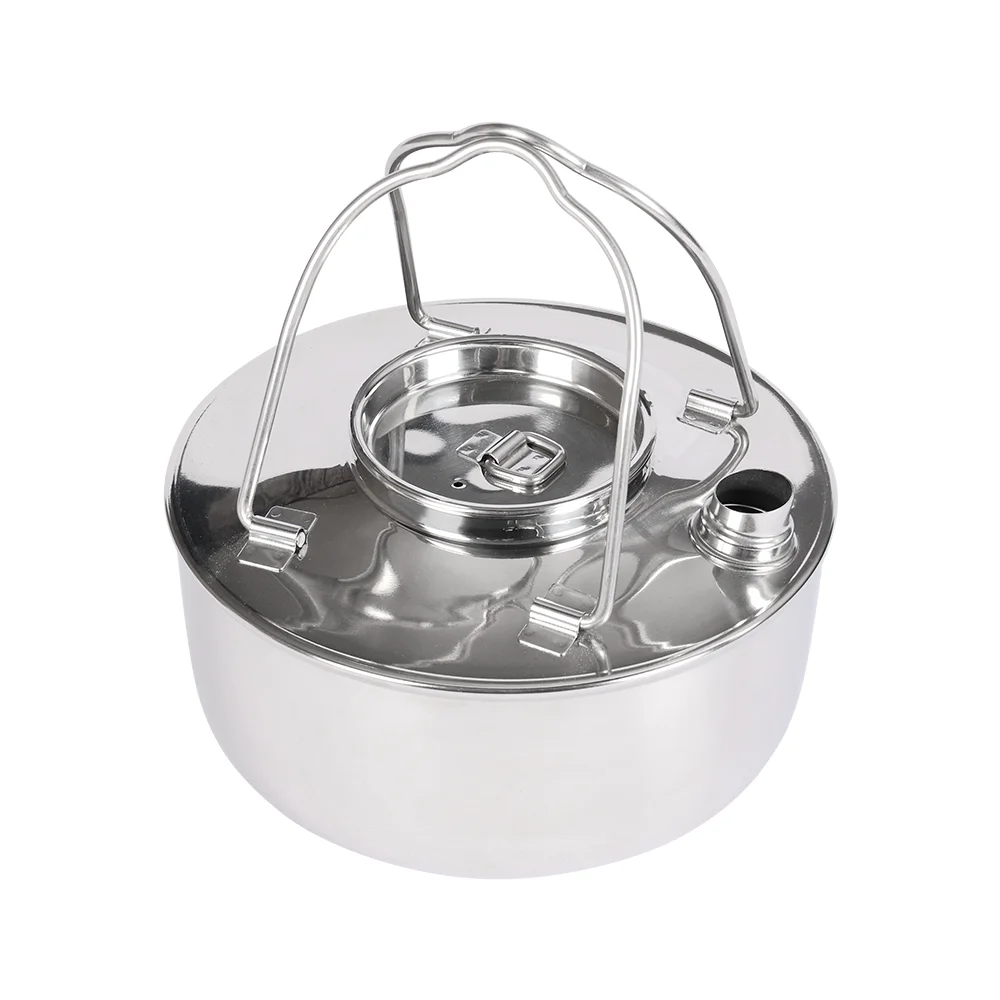
The key to successful camping kettle use lies in understanding the specific requirements of your chosen heat source and adapting your technique accordingly. Open fires demand different safety considerations than portable camping stoves, and each method requires distinct positioning strategies and heat management approaches. Modern camping kettles are designed to withstand outdoor conditions, but proper usage techniques significantly extend their lifespan while preventing dangerous situations that could compromise your outdoor adventure.
Essential Safety Preparations Before Using Your Camping Kettle
Inspecting Your Camping Kettle for Safety
Before any outdoor cooking session, thoroughly examine your camping kettle for potential safety hazards. Check the kettle body for dents, cracks, or corrosion that could affect structural integrity during heating. Inspect the handle attachment points to ensure they remain securely fastened, as loose handles pose serious burn risks when lifting hot kettles. Examine the spout and lid mechanism to verify proper sealing and easy operation under heated conditions.
Pay special attention to the kettle bottom for any warping or damage that could affect heat distribution or stability on cooking surfaces. A warped bottom creates uneven heating patterns and may cause the camping kettle to tip unexpectedly. Test the lid fit to ensure it seals properly without being too tight to remove safely when the kettle is hot. These preliminary checks prevent equipment failure during critical moments and maintain safe operation throughout your camping experience.
Selecting Appropriate Heat Sources
Choose heat sources that match your camping kettle's design specifications and material composition. Stainless steel camping kettles handle high heat from open fires effectively, while aluminum models may require more controlled heating to prevent warping. Gas camping stoves provide consistent, controllable heat ideal for precise water heating, while wood fires offer traditional camping ambiance but require more active management.
Consider environmental factors when selecting your heat source, including wind conditions, fire restrictions, and available fuel supplies. Portable camping stoves offer reliability in adverse weather conditions where open fires may prove difficult to maintain. Always verify local fire regulations and restrictions before choosing open fire cooking methods, as many camping areas implement seasonal fire bans that require alternative heating approaches for your camping kettle operations.
Gathering Essential Safety Equipment
Assemble proper safety equipment before beginning any camping kettle operation to ensure quick response to potential emergencies. Heat-resistant gloves or pot holders protect hands when handling hot kettle handles or adjusting position during cooking. Keep a reliable fire extinguisher or adequate water supply nearby when using open fires, and ensure easy access to first aid supplies for treating minor burns.
Stable, heat-resistant surfaces or grill grates provide secure platforms for camping kettle placement over open fires. Long-handled tools allow safe adjustment of kettle position without exposing hands to dangerous heat levels. A reliable timer helps monitor heating progress and prevents overheating situations that could damage your camping kettle or create safety hazards during wilderness cooking sessions.
Safe Open Fire Techniques for Camping Kettle Use
Building and Managing Cooking Fires
Create a controlled fire suitable for camping kettle use by building a stable base of larger logs with smaller kindling on top. Allow the fire to burn down to a consistent bed of hot coals rather than using active flames directly under your kettle. This approach provides steady, manageable heat that won't create hot spots or cause rapid temperature fluctuations that could damage your camping kettle.
Position fire-resistant rocks or a portable grill grate over the coals to create a stable cooking surface for your camping kettle. Maintain a moderate fire size that provides adequate heat without creating excessive flames that could blacken the kettle bottom or pose safety risks. Keep additional dry wood nearby for fire maintenance, but avoid adding fuel directly under a heating camping kettle to prevent dangerous flare-ups.
Proper Kettle Positioning Over Open Fires
Place your camping kettle securely on a stable grill grate or fire-resistant platform positioned 4-6 inches above the coals. This distance provides optimal heat transfer while preventing direct flame contact that could damage the kettle or create uneven heating patterns. Ensure the kettle sits level and stable, with the handle positioned away from the fire to enable safe manipulation.
Monitor wind direction and adjust kettle position accordingly to prevent smoke interference and maintain consistent heating. Use long-handled tools to reposition the camping kettle as needed without exposing yourself to heat or flames. Rotate the kettle periodically to ensure even heating, particularly when using irregularly shaped fire beds that might create temperature variations across the kettle bottom.
Temperature Control and Heat Management
Manage fire intensity by adjusting coal distribution and air flow rather than constantly moving your camping kettle. Create zones of different heat intensity by spreading or concentrating coals, allowing you to move the kettle to appropriate temperature areas as needed. Use a camp shovel or long poker to adjust coal positions safely without disturbing the kettle placement.
Monitor water heating progress by observing steam patterns and listening for boiling sounds rather than lifting the lid frequently. Excessive lid lifting releases heat and extends cooking times while creating opportunities for burns from escaping steam. Gradually reduce heat intensity as water approaches boiling point to maintain gentle boiling without violent bubbling that could cause spillage or kettle instability.
Safe Camping Stove Operations for Kettle Heating
Stove Setup and Stability Checks
Establish your camping stove on a level, stable surface protected from wind and away from flammable materials before placing your camping kettle. Test stove stability by gently pressing down on different areas to ensure no wobbling or tipping occurs under the kettle's weight when filled with water. Verify proper fuel connections and check for gas leaks using soapy water on connection points before lighting the stove.
Position the camping kettle centrally on the stove burner to ensure even heat distribution and prevent tipping hazards. Most camping kettles work best when the flame or heating element contacts the center portion of the kettle bottom rather than extending beyond the edges. This positioning maximizes heating efficiency while minimizing fuel consumption and reducing hot spots that could damage your camping kettle over time.
Flame Adjustment and Heat Control
Start with medium flame settings when initially heating your camping kettle, then adjust upward or downward based on heating progress and desired boiling intensity. High flames that extend beyond the kettle bottom waste fuel and may create dangerous conditions without significantly improving heating speed. Most camping kettles achieve optimal performance with moderate flame levels that provide steady heat transfer.
Monitor flame color and consistency throughout the heating process, as irregular flames may indicate fuel supply issues or stove malfunction. Blue flames indicate complete fuel combustion and efficient heat production, while yellow or orange flames suggest incomplete burning that reduces heating effectiveness. Adjust stove controls gradually to maintain consistent heat output suitable for your camping kettle capacity and intended use.
Ventilation and Air Quality Management
Ensure adequate ventilation around your camping stove operation to prevent carbon monoxide buildup, particularly when cooking inside tents or enclosed shelters. Position the stove setup where natural air circulation can disperse combustion byproducts safely away from sleeping and eating areas. Never operate camping stoves inside tents unless specifically designed for enclosed use with proper ventilation systems.
Monitor air quality indicators such as unusual odors, headaches, or dizziness that might suggest inadequate ventilation during camping kettle operations. Keep tent flaps or shelter openings partially open when cooking nearby to maintain fresh air circulation. Consider wind direction when positioning your camping kettle and stove setup to prevent smoke or fumes from affecting other campers or recreational areas.
Critical Safety Protocols During Kettle Operation
Handling Hot Kettles Safely
Always use proper protective equipment when handling heated camping kettles, including heat-resistant gloves or pot holders designed for high-temperature applications. Grip the kettle handle firmly but avoid contact with metal surfaces that conduct heat from the kettle body. Test handle temperature briefly before committing to a full grip, as some camping kettle handles may become hot despite insulation features.
Pour hot water from your camping kettle using controlled, steady movements rather than quick jerking motions that could cause spillage or loss of control. Keep the pouring spout directed away from your body and other people, maintaining awareness of steam direction during pouring operations. Support the kettle bottom with your free hand when possible to maintain control and prevent tipping during water transfer activities.
Steam and Spillage Prevention
Position yourself to avoid direct contact with steam when opening camping kettle lids or checking heating progress. Steam burns can be more severe than direct flame contact due to higher heat transfer rates and moisture content. Open lids slowly and tilt them away from your face to allow steam to escape safely without causing injury.
Avoid overfilling your camping kettle beyond recommended capacity levels, as boiling water expansion and vigorous bubbling can cause spillage onto heat sources. Most camping kettles perform best when filled to 70-80% capacity, allowing adequate space for water expansion and steam generation. Mark optimal fill levels on your kettle if manufacturer markings are unclear to prevent overfilling during rushed setup situations.
Emergency Response Procedures
Develop clear emergency procedures for common camping kettle accidents, including burns, spillage, and equipment malfunction. Know how to quickly shut off your heat source and remove the camping kettle from dangerous situations without causing additional injury. Practice emergency procedures during calm conditions so responses become automatic during actual emergency situations.
Keep appropriate first aid supplies readily accessible when operating camping kettles, particularly burn treatment materials and clean water for cooling injured areas. Establish communication plans for serious emergencies that require outside assistance, including knowledge of nearest medical facilities and emergency contact procedures. Document emergency contact information and keep it accessible during all camping kettle operations.
Maintenance and Post-Use Safety Considerations
Proper Cooling and Storage Procedures
Allow your camping kettle to cool completely before packing or storing to prevent burns and equipment damage. Never immerse a hot camping kettle in cold water, as rapid temperature changes can cause warping or cracking in some materials. Place hot kettles on heat-resistant surfaces away from flammable materials and allow natural air cooling to occur gradually.
Clean your camping kettle thoroughly after each use to remove mineral deposits, food residues, and combustion byproducts that could affect future performance. Use appropriate cleaning methods for your kettle material, avoiding abrasive cleaners that might damage protective coatings or surface finishes. Dry the kettle completely before storage to prevent corrosion and ensure optimal performance during subsequent camping trips.
Equipment Inspection and Maintenance
Inspect your camping kettle after each use for signs of damage, wear, or performance degradation that might affect future safety or effectiveness. Check handle attachment points, lid mechanisms, and kettle body condition for any changes that occurred during use. Document any issues and address them before your next camping expedition to maintain safe operation standards.
Perform periodic deep maintenance on your camping kettle including descaling, handle tightening, and protective coating renewal as recommended by the manufacturer. Store camping kettles in dry, protected environments that prevent corrosion and mechanical damage during storage periods. Consider seasonal maintenance schedules that ensure your camping kettle remains in optimal condition for safe outdoor use throughout its service life.
FAQ
What is the safest way to handle a hot camping kettle?
Always use heat-resistant gloves or pot holders when handling hot camping kettles, and grip the handle firmly while supporting the bottom when possible. Keep the spout directed away from your body and others, move slowly and deliberately to maintain control, and allow adequate cooling time before packing or storage.
Can I use any camping kettle directly over an open fire?
Most stainless steel camping kettles handle open fire use effectively, but always check manufacturer specifications for fire compatibility. Use a stable grill grate or platform 4-6 inches above coals rather than direct flame contact, and inspect your kettle regularly for heat damage or warping that might affect safety.
How do I prevent my camping kettle from tipping over during use?
Ensure your heat source provides a stable, level platform and position the camping kettle centrally over the burner or fire. Avoid overfilling the kettle, protect the setup from strong winds, and never leave a heating kettle unattended. Use appropriately sized heat sources that match your kettle dimensions for optimal stability.
What should I do if my camping kettle gets damaged during a trip?
Stop using a damaged camping kettle immediately and assess the severity of the damage. Minor scratches may not affect safety, but cracks, loose handles, or significant warping require discontinuing use. Carry backup water heating methods when possible, and inspect equipment before each trip to prevent failure during critical moments.
