 EN
EN
 AR
AR
 BG
BG
 HR
HR
 CS
CS
 DA
DA
 NL
NL
 FI
FI
 FR
FR
 DE
DE
 EL
EL
 IT
IT
 JA
JA
 KO
KO
 NO
NO
 PL
PL
 PT
PT
 RO
RO
 RU
RU
 ES
ES
 SV
SV
 TL
TL
 IW
IW
 ID
ID
 SR
SR
 SK
SK
 UK
UK
 VI
VI
 SQ
SQ
 HU
HU
 TH
TH
 TR
TR
 MS
MS
 GA
GA
 CY
CY
 IS
IS
 HY
HY
 AZ
AZ
 KA
KA

How to Maintain and Clean Your Camping Pot After Outdoor Use?
Proper maintenance and cleaning of your camping pot after outdoor adventures is essential for preserving its performance, extending its lifespan, and ensuring food safety for future camping trips. Whether you've cooked hearty stews over an open fire or prepared simple meals on a portable stove, your camping pot requires specific care techniques that differ from regular kitchen cookware cleaning routines.
The outdoor environment presents unique challenges for camping pot maintenance, including exposure to smoke residue, ash particles, varying water quality, and limited cleaning resources. Understanding the correct cleaning methods, maintenance schedules, and storage techniques will help you keep your camping pot in optimal condition while preventing common issues like rust formation, stubborn stains, and bacterial contamination that can compromise your outdoor cooking experience.
Understanding Camping Pot Materials and Their Cleaning Requirements
Stainless Steel Camping Pot Maintenance
Stainless steel represents the most popular material for camping cookware due to its durability and resistance to corrosion. When cleaning your stainless steel camping pot, focus on removing food residues and preventing water spots that can dull the surface finish. The key to maintaining stainless steel camping pot quality lies in using appropriate cleaning agents that won't scratch the surface while effectively removing stubborn outdoor cooking residues.
Heat discoloration is common when using a camping pot over open flames or high-temperature camp stoves. These rainbow-like marks on stainless steel surfaces are normal and don't affect functionality, but can be minimized through proper heat management and immediate post-cooking care. Avoid using abrasive cleaners or steel wool on your camping pot, as these can create micro-scratches that harbor bacteria and affect the cookware's performance.
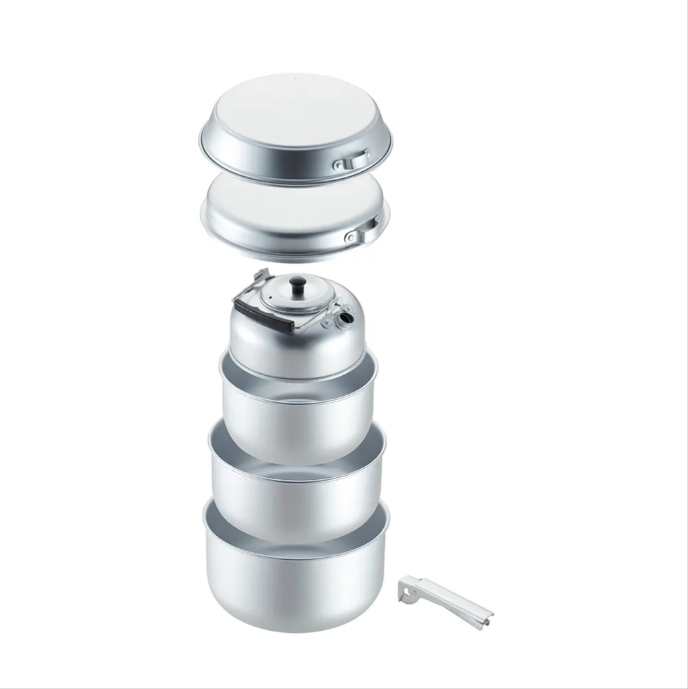
Aluminum Camping Pot Special Considerations
Aluminum camping pots require gentler cleaning approaches due to the material's softer nature and tendency to react with certain cleaning agents. Never use alkaline cleaners or bleach on aluminum camping pot surfaces, as these can cause permanent discoloration and pitting. Instead, opt for mild dish soap and warm water for routine cleaning, ensuring you dry the camping pot thoroughly to prevent water spots and oxidation.
Anodized aluminum camping pots have a protective coating that requires special attention during cleaning. Avoid scrubbing too vigorously, as this can damage the anodized layer and expose the raw aluminum underneath. The protective coating on your camping pot helps prevent food from sticking and makes cleaning easier, so preserving this layer through gentle cleaning practices is crucial for long-term performance.
Cast Iron and Coated Camping Pot Care
Cast iron camping pots demand unique maintenance routines that focus on preserving the seasoning layer and preventing rust formation. Never use soap on seasoned cast iron camping pot surfaces, as this strips away the protective oil layer that provides non-stick properties and rust resistance. Instead, clean your cast iron camping pot with hot water and a stiff brush, followed by immediate thorough drying and light oil application.
Non-stick coated camping pots require the gentlest cleaning approach to preserve the coating integrity. Use soft sponges or cloth to clean your coated camping pot, avoiding any abrasive materials that could scratch or chip the non-stick surface. Temperature cycling from outdoor cooking can stress non-stick coatings, making proper cleaning and storage even more critical for maintaining your camping pot's performance.
Step-by-Step Cleaning Process for Different Outdoor Cooking Scenarios
Immediate Post-Cooking Care
The cleaning process for your camping pot should begin immediately after cooking, while the cookware is still warm but not dangerously hot. Scrape out food residues using a wooden or plastic utensil to avoid scratching the camping pot surface. This immediate action prevents food from hardening and makes the subsequent cleaning process much more manageable, especially when dealing with protein-based meals that tend to stick.
Add warm water to your camping pot as soon as possible after removing cooked food. The residual heat will help loosen stuck-on particles and make cleaning easier. If water is scarce at your campsite, use minimal amounts to create a paste-like consistency with baking soda, which acts as a gentle abrasive for your camping pot while being environmentally friendly for outdoor use.
Deep Cleaning for Stubborn Residues
When dealing with heavily soiled camping pot surfaces from smoke exposure or burnt food, create a cleaning solution using biodegradable camp soap and warm water. Let this solution sit in your camping pot for 10-15 minutes to soften stubborn residues before scrubbing. For particularly challenging stains, a mixture of baking soda and water creates an effective, non-toxic cleaning paste that won't harm your camping pot or the environment.
Burnt-on food requires patience and gentle persistence when cleaning your camping pot. Avoid using excessive force or abrasive materials that could damage the cookware surface. Instead, repeat the soaking and gentle scrubbing process until residues loosen naturally. This approach preserves your camping pot integrity while achieving thorough cleaning results.
Water Quality Considerations
The quality of water available at your campsite significantly impacts the cleaning effectiveness and long-term condition of your camping pot. Hard water containing high mineral content can leave deposits on your cookware surface, while untreated natural water sources may contain particles that scratch during cleaning. When possible, use filtered or treated water for final rinsing of your camping pot to prevent mineral buildup and ensure thorough cleaning.
If only questionable water sources are available, allow water to settle in a separate container before using it to clean your camping pot. This simple step removes larger particles that could scratch the cookware surface during washing. Additionally, heating water for cleaning your camping pot not only improves cleaning effectiveness but also helps eliminate potential contaminants that might affect your cookware's hygiene.
Drying and Storage Techniques for Camping Pot Longevity
Proper Drying Methods
Thorough drying is crucial for preventing rust, corrosion, and bacterial growth in your camping pot. After washing, use a clean, dry towel to remove all visible moisture from both interior and exterior surfaces. Pay special attention to handles, rivets, and any crevices where water might collect, as these areas are particularly susceptible to corrosion in camping pot materials like steel and iron.
Air drying your camping pot in a well-ventilated area completes the drying process and ensures no trapped moisture remains. Position the camping pot upside down or at an angle to allow any remaining water to drain completely. In humid outdoor conditions, consider placing your camping pot near a heat source like a campfire or camp stove to accelerate drying, but maintain safe distances to prevent overheating or warping.
Storage Preparation and Protection
Before storing your camping pot, apply a thin layer of cooking oil to metal surfaces to create a protective barrier against moisture and oxidation. This is particularly important for cast iron camping pot materials but benefits stainless steel and aluminum cookware as well. Use a paper towel to spread oil evenly and remove excess, leaving just enough to provide protection without creating a sticky residue.
When packing your camping pot for transport or long-term storage, nest cookware pieces carefully to prevent scratching and utilize protective padding between items. Cloth or paper towels work well as separators and can double as cleaning materials for your next camping trip. Ensure your camping pot is completely dry before packing to prevent moisture-related damage during storage periods.
Environmental Considerations and Leave No Trace Principles
Responsible camping pot cleaning practices align with Leave No Trace principles and environmental stewardship. Use biodegradable soaps when cleaning your camping pot outdoors, and dispose of wash water at least 200 feet from natural water sources to prevent contamination. Strain food particles from wash water and pack them out with other waste rather than leaving them in the environment.
Consider bringing a dedicated wash basin or collapsible sink for cleaning your camping pot, as this contains wash water and makes proper disposal easier. This approach also allows you to heat wash water efficiently and provides better control over the cleaning process. Some campgrounds provide designated areas for washing cookware, which should be used whenever available to minimize environmental impact.
Preventive Maintenance and Troubleshooting Common Issues
Preventing Common Camping Pot Problems
Regular inspection of your camping pot helps identify potential issues before they become serious problems. Check for loose handles, developing cracks, or wearing non-stick coatings that might compromise safety or performance. Addressing these issues promptly through proper maintenance or replacement ensures your camping pot remains reliable for outdoor cooking adventures.
Proper heat management during cooking prevents many maintenance issues with your camping pot. Avoid extreme temperature changes that can warp metal or crack coatings, and use appropriate flame sizes that don't extend beyond the camping pot base. These practices reduce thermal stress and extend the useful life of your outdoor cookware while maintaining optimal cooking performance.
Addressing Rust and Corrosion
Surface rust on your camping pot can often be removed using fine steel wool or specialized rust removal products designed for cookware. After removing rust, thoroughly clean and dry the affected area, then apply a protective oil coating to prevent recurrence. For severe corrosion that affects the structural integrity of your camping pot, replacement may be necessary for safety reasons.
Prevention remains the best approach for rust management in your camping pot collection. Consistent drying, proper storage, and regular inspection help identify moisture-related issues before they cause permanent damage. In humid environments or extended storage periods, consider using moisture-absorbing packets in your camping pot storage containers to provide additional protection.
Maintaining Performance Standards
Regular deep cleaning maintains the performance characteristics of your camping pot and ensures food safety standards. Schedule thorough cleaning sessions between camping trips, using this time to address any accumulated residues or stains that quick field cleaning might have missed. This comprehensive approach keeps your camping pot ready for immediate use and extends its service life significantly.
Performance monitoring includes checking heat distribution characteristics, non-stick properties where applicable, and overall structural integrity of your camping pot. Changes in these performance indicators may signal the need for replacement or professional restoration services. Maintaining performance records helps track the condition of your camping pot over time and guides replacement decisions.
FAQ
How often should I deep clean my camping pot during extended outdoor trips?
Deep cleaning your camping pot should occur every 3-5 uses during extended trips, or whenever you notice stubborn residues that regular washing doesn't remove. Daily basic cleaning after each use prevents buildup, but periodic thorough cleaning ensures your camping pot maintains optimal hygiene and performance throughout longer outdoor adventures.
Can I use regular dish soap to clean my camping pot in the wilderness?
Regular dish soap can be used to clean your camping pot, but biodegradable camping soaps are preferred for wilderness use to minimize environmental impact. Use small amounts of any soap when cleaning your camping pot outdoors, and ensure proper disposal of wash water away from natural water sources to protect local ecosystems.
What should I do if my stainless steel camping pot develops rainbow discoloration?
Rainbow discoloration on your stainless steel camping pot is normal heat tinting that doesn't affect safety or performance. To minimize this effect, avoid overheating your camping pot and clean it promptly after use. The discoloration can be reduced using specialized stainless steel cleaners, though it's purely cosmetic and doesn't require immediate attention.
Is it safe to use abrasive cleaners on my camping pot?
Avoid abrasive cleaners on your camping pot as they can scratch surfaces, damage protective coatings, and create areas where bacteria can accumulate. Use gentle cleaning methods with soft sponges, biodegradable soaps, and baking soda for stubborn residues. These approaches effectively clean your camping pot while preserving its surface integrity and longevity.
