 EN
EN
 AR
AR
 BG
BG
 HR
HR
 CS
CS
 DA
DA
 NL
NL
 FI
FI
 FR
FR
 DE
DE
 EL
EL
 IT
IT
 JA
JA
 KO
KO
 NO
NO
 PL
PL
 PT
PT
 RO
RO
 RU
RU
 ES
ES
 SV
SV
 TL
TL
 IW
IW
 ID
ID
 SR
SR
 SK
SK
 UK
UK
 VI
VI
 SQ
SQ
 HU
HU
 TH
TH
 TR
TR
 MS
MS
 GA
GA
 CY
CY
 IS
IS
 HY
HY
 AZ
AZ
 KA
KA

How to Maintain a Mess Kit for Long-Term Commercial Use?
Proper maintenance of a mess kit is essential for businesses operating in commercial environments where durability, hygiene, and consistent performance directly impact operational efficiency. Commercial mess kit maintenance requires a systematic approach that addresses material-specific care protocols, establishes regular cleaning schedules, and implements preventive measures to extend equipment lifespan while ensuring food safety compliance.
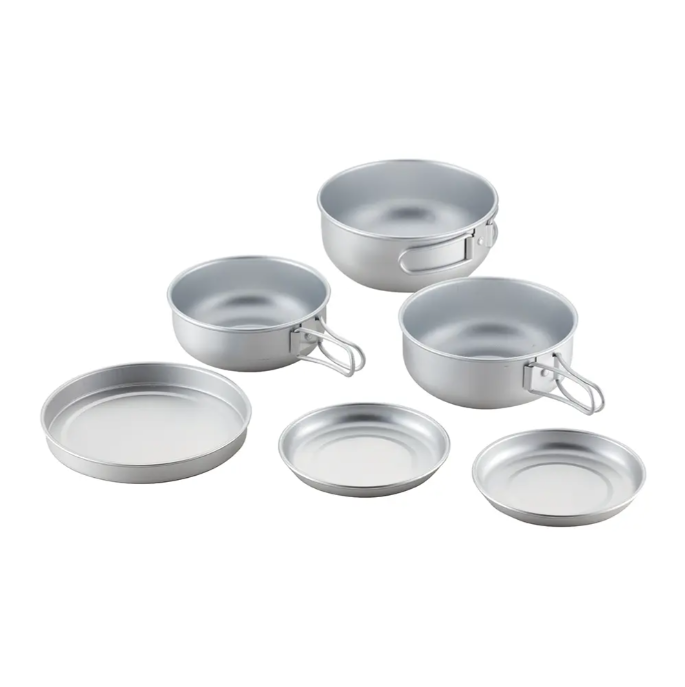
Understanding how to maintain a mess kit for long-term commercial use involves recognizing the unique demands placed on these portable food preparation and serving systems in high-volume, professional settings. Unlike recreational camping gear, commercial mess kits must withstand frequent use, varying environmental conditions, and stringent sanitation requirements while maintaining structural integrity and operational reliability over extended service periods.
Understanding Commercial Mess Kit Maintenance Requirements
Material-Specific Care Protocols
Different mess kit materials require distinct maintenance approaches to preserve their functional properties and extend operational lifespan. Aluminum mess kits demand careful attention to prevent oxidation and maintain their lightweight characteristics, while stainless steel variants require specific cleaning agents to preserve their corrosion-resistant finish without compromising surface integrity.
Hard-anodized aluminum components benefit from gentle cleaning methods that preserve the protective surface coating. This specialized finish provides enhanced durability and non-stick properties, but aggressive cleaning chemicals or abrasive tools can damage the anodized layer, reducing the mess kit's performance and longevity in commercial applications.
Titanium mess kit components, while more expensive, offer superior corrosion resistance and weight advantages. However, their maintenance requires understanding titanium's unique properties, including its tendency to develop color changes when exposed to high heat, which doesn't affect functionality but may indicate the need for temperature control during cleaning processes.
Commercial Environment Considerations
Commercial mess kit maintenance must account for the accelerated wear patterns resulting from frequent use cycles, multiple users, and demanding operational conditions. High-volume food service environments subject mess kits to thermal stress, chemical exposure from cleaning agents, and physical wear from repeated assembly and disassembly operations.
Environmental factors in commercial settings often include temperature fluctuations, humidity variations, and exposure to food acids that can accelerate corrosion if proper maintenance protocols aren't followed. Understanding these conditions helps establish appropriate maintenance schedules and preventive measures that address potential issues before they compromise mess kit functionality.
The commercial context also introduces regulatory compliance requirements for food safety and sanitation standards. Mess kit maintenance procedures must align with health department regulations while ensuring that cleaning processes don't damage the equipment or introduce contaminants that could affect food safety in subsequent use cycles.
Establishing Systematic Cleaning Procedures
Daily Cleaning Protocols
Effective daily cleaning procedures form the foundation of long-term mess kit maintenance in commercial environments. These protocols should begin immediately after each use cycle to prevent food residue from hardening and becoming difficult to remove, which can lead to bacterial growth and equipment degradation over time.
The initial cleaning step involves complete disassembly of the mess kit components to ensure all surfaces receive proper attention. Each piece should be rinsed with warm water to remove loose food particles before applying cleaning agents. This preliminary rinse prevents food debris from interfering with the cleaning process and reduces the risk of scratching surfaces during subsequent cleaning steps.
Proper cleaning agent selection depends on the specific materials in your mess kit configuration. Mild dish detergents work well for most aluminum and stainless steel components, while specialized cleaners may be required for removing stubborn food residues or addressing specific contamination concerns in commercial food service applications.
Deep Cleaning and Sanitization
Weekly deep cleaning procedures go beyond daily maintenance to address accumulated residues and ensure thorough sanitization of all mess kit surfaces. This comprehensive cleaning process typically involves longer soaking periods, more intensive scrubbing, and specialized cleaning agents designed to remove mineral deposits and stubborn food residues.
Sanitization protocols must comply with commercial food service standards while protecting the integrity of mess kit materials. Chemical sanitizers should be selected based on their compatibility with aluminum, stainless steel, or other component materials to prevent corrosion or surface damage that could compromise the equipment's performance or create sanitation hazards.
The deep cleaning process should include inspection of all components for signs of wear, damage, or potential failure points. Early detection of these issues allows for timely repairs or replacements before equipment failure disrupts commercial operations or creates safety hazards for staff and customers.
Implementing Preventive Maintenance Strategies
Regular Inspection Schedules
Systematic inspection schedules enable early identification of wear patterns, potential failure points, and maintenance needs before they escalate into operational problems. These inspections should examine all mess kit components for signs of structural damage, surface deterioration, and functional impairment that could affect performance or safety in commercial applications.
Visual inspections should focus on common failure points including handle attachments, hinge mechanisms, and sealing surfaces that experience high stress during normal use. Documenting inspection findings helps establish maintenance trends and predict when components may require replacement or more intensive maintenance interventions.
Functional testing during inspections ensures that all mess kit components operate as intended, with proper fit and secure connections between pieces. This testing should simulate actual use conditions to identify potential problems that might not be apparent during visual inspection alone.
Protective Storage Practices
Proper storage protocols significantly impact mess kit longevity by protecting components from environmental damage when not in active use. Storage areas should provide protection from moisture, temperature extremes, and physical damage while allowing adequate air circulation to prevent condensation buildup that could promote corrosion.
Storage organization systems should prevent components from contacting each other in ways that could cause scratching or denting. Individual component protection using appropriate padding or separation materials helps maintain surface integrity and prevents damage during storage periods.
Inventory management practices should ensure that mess kits are rotated appropriately to prevent some units from experiencing excessive use while others remain idle. This rotation strategy promotes even wear across all available equipment and maximizes the useful life of the entire mess kit inventory.
Addressing Common Maintenance Challenges
Corrosion Prevention and Treatment
Corrosion represents one of the most significant threats to long-term mess kit performance in commercial environments. Prevention strategies must address both atmospheric corrosion from environmental exposure and galvanic corrosion that can occur when dissimilar metals come into contact in the presence of electrolytes.
Effective corrosion prevention begins with proper drying procedures after cleaning, ensuring that no moisture remains trapped in joints, crevices, or component interfaces where corrosion typically initiates. Complete disassembly during cleaning and drying processes allows access to all surfaces and prevents moisture accumulation in hidden areas.
When corrosion does occur, early intervention can often restore mess kit functionality and prevent further deterioration. Treatment methods vary depending on the extent of corrosion and the specific materials involved, but generally involve removing corrosion products and applying appropriate protective treatments to prevent recurrence.
Managing Wear and Component Replacement
Normal wear patterns in commercial mess kit applications typically affect high-contact surfaces, moving parts, and areas subject to thermal stress. Understanding these patterns helps predict when components may require replacement and allows for proactive maintenance planning that minimizes operational disruptions.
Component replacement strategies should consider the cost-effectiveness of individual part replacement versus complete mess kit replacement. Some components may be readily available and economical to replace, while others may be sufficiently expensive or difficult to obtain that complete unit replacement becomes more practical.
Standardization of mess kit configurations across commercial operations can simplify maintenance procedures and reduce inventory requirements for replacement parts. This standardization also facilitates staff training on proper maintenance procedures and ensures consistent performance across all equipment units.
FAQ
How often should commercial mess kits be deep cleaned?
Commercial mess kits should undergo deep cleaning weekly or after every 20-25 use cycles, whichever occurs first. High-volume operations may require more frequent deep cleaning, particularly when serving acidic foods or operating in challenging environmental conditions. The frequency should be adjusted based on actual usage patterns and inspection results.
What cleaning chemicals are safe for aluminum mess kit maintenance?
Mild alkaline detergents and pH-neutral cleaners work best for aluminum mess kits. Avoid chlorine-based cleaners, strong acids, or highly alkaline solutions that can cause pitting or discoloration. Always rinse thoroughly after cleaning and dry completely to prevent water spot formation and potential corrosion initiation.
Can damaged mess kit components be repaired or must they be replaced?
Minor damage such as small dents or surface scratches can often be repaired, but structural damage to handles, hinges, or sealing surfaces typically requires component replacement. Repairs should only be attempted if they can restore full functionality without compromising safety or sanitation requirements in commercial food service applications.
How should mess kits be stored between commercial use periods?
Store mess kits in clean, dry environments with adequate ventilation to prevent moisture accumulation. Components should be completely dry before storage and arranged to prevent contact damage. Use protective padding between stacked units and ensure storage areas maintain stable temperatures to prevent thermal stress on materials.
