 EN
EN
 AR
AR
 BG
BG
 HR
HR
 CS
CS
 DA
DA
 NL
NL
 FI
FI
 FR
FR
 DE
DE
 EL
EL
 IT
IT
 JA
JA
 KO
KO
 NO
NO
 PL
PL
 PT
PT
 RO
RO
 RU
RU
 ES
ES
 SV
SV
 TL
TL
 IW
IW
 ID
ID
 SR
SR
 SK
SK
 UK
UK
 VI
VI
 SQ
SQ
 HU
HU
 TH
TH
 TR
TR
 MS
MS
 GA
GA
 CY
CY
 IS
IS
 HY
HY
 AZ
AZ
 KA
KA

How Can a Camping Pot Enhance Group Cooking Efficiency Outdoors?
When multiple outdoor enthusiasts gather around a campfire, coordinating meal preparation becomes a complex challenge that can either unite the group or create frustration. A well-designed camping pot serves as the cornerstone of efficient group cooking, transforming chaotic meal preparation into a streamlined process that maximizes both time and resources while ensuring everyone enjoys hot, satisfying meals together.
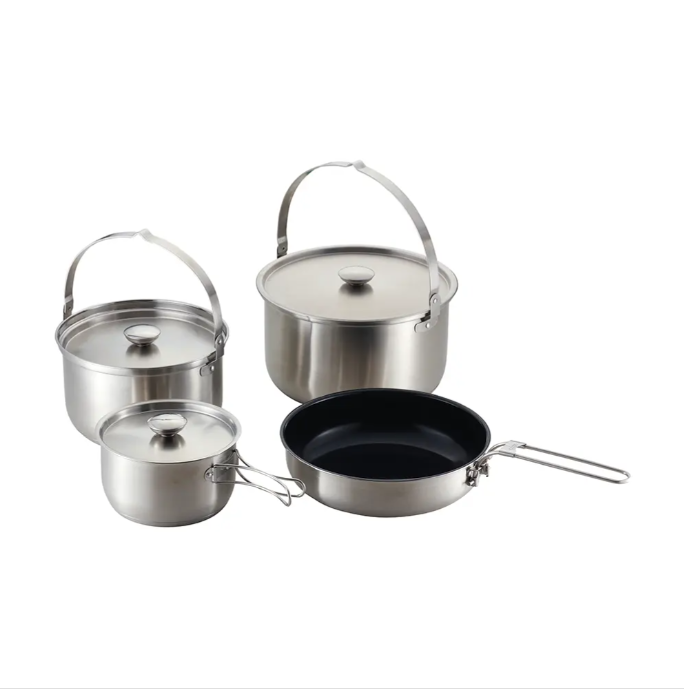
The efficiency gains from using appropriate camping cookware extend far beyond simple convenience, directly impacting fuel consumption, cooking time, and the overall outdoor experience. Understanding how a quality camping pot enhances group cooking efficiency requires examining the specific mechanisms through which proper equipment transforms outdoor meal preparation from a time-consuming ordeal into a coordinated team effort that strengthens group dynamics.
Heat Distribution Mechanisms for Large-Group Cooking
Multi-Layer Base Technology
Professional camping pot designs incorporate multi-layer base construction that ensures even heat distribution across the entire cooking surface. This technology prevents hot spots that can burn food while leaving other areas undercooked, particularly crucial when preparing large quantities for group consumption. The enhanced heat distribution allows camp cooks to maintain consistent temperatures throughout the cooking process, reducing the need for constant stirring and attention.
Advanced camping pot materials utilize aluminum cores sandwiched between stainless steel layers, creating thermal conductivity that responds quickly to heat source adjustments. This responsiveness enables precise temperature control when cooking for multiple people, where timing becomes critical for coordinating various dishes. The improved heat distribution also reduces cooking times by up to thirty percent compared to single-layer cookware, conserving valuable fuel resources during extended outdoor expeditions.
The thermal efficiency of a well-designed camping pot extends cooking capabilities beyond basic boiling, enabling complex preparation techniques like sautéing, braising, and slow-cooking that enhance meal variety for group dining. This versatility eliminates the need for multiple specialized cooking vessels, streamlining equipment requirements while expanding culinary possibilities in outdoor settings.
Capacity Optimization for Group Portions
Large-capacity camping pot designs accommodate group cooking requirements without compromising portability, typically featuring volume ranges from three to eight liters depending on group size. These optimized capacities allow preparation of one-pot meals that feed four to twelve people efficiently, eliminating the complexity of coordinating multiple smaller cooking vessels simultaneously.
The relationship between pot capacity and cooking efficiency becomes evident when preparing stews, soups, or pasta dishes for groups, where larger volumes benefit from economies of scale in both preparation time and fuel consumption. A properly sized camping pot reduces per-person cooking energy requirements while providing sufficient space for ingredient mixing and temperature regulation throughout the cooking process.
Strategic capacity selection also influences meal planning efficiency, as larger camping pot volumes enable batch cooking techniques that prepare multiple meals simultaneously. This approach maximizes fuel utilization during peak cooking periods while providing ready-to-heat meals for subsequent dining occasions, particularly valuable during multi-day camping expeditions where cooking fuel conservation becomes paramount.
Workflow Coordination Through Design Features
Ergonomic Handle Systems
Professional camping pot handle designs facilitate safe and efficient group cooking operations through heat-resistant materials and ergonomic positioning that accommodate multiple users. Dual-handle configurations enable two-person lifting and pouring operations, essential when managing large volumes of hot liquids or heavy food preparations safely around camp cooking areas.
Foldable handle mechanisms reduce storage volume while maintaining structural integrity during cooking operations, addressing the dual requirements of portability and functionality that characterize effective group camping equipment. These design features enable secure grip maintenance even when wearing protective gloves, crucial for safe cooking operations in variable outdoor conditions where hand protection becomes necessary.
The strategic placement of handles also influences cooking workflow efficiency by enabling easy transport between preparation areas, fire sources, and serving locations without requiring multiple people to coordinate complex lifting maneuvers. This mobility enhances group cooking coordination by allowing designated cooks to manage multiple cooking stations simultaneously while maintaining safety protocols.
Lid Integration for Steam Management
Advanced camping pot lid designs incorporate steam management features that accelerate cooking times while retaining moisture and nutrients essential for group meal quality. Tight-fitting lids with graduated venting systems enable pressure regulation that enhances cooking efficiency without requiring specialized pressure cooking equipment that adds weight and complexity to group camping gear.
Steam retention capabilities of quality camping pot lids reduce cooking times for dense vegetables, tough meats, and grain-based dishes commonly prepared for group consumption. The accelerated cooking process conserves fuel while ensuring thorough cooking that meets food safety requirements essential when preparing meals for multiple people in outdoor environments where refrigeration and food storage options remain limited.
Integrated lid designs also function as serving platforms or temporary food storage surfaces, maximizing utility while minimizing equipment requirements for group cooking operations. This multi-functionality reduces the total equipment load while providing essential surfaces for food preparation and presentation during group dining experiences.
Fuel Efficiency Optimization Strategies
Thermal Mass Management
Optimal camping pot thermal mass characteristics balance heat retention with fuel consumption requirements, enabling sustained cooking temperatures that reduce active heating time during long-duration group meal preparation. Materials with appropriate thermal mass store heat energy efficiently, maintaining cooking temperatures during ingredient additions and mixing operations that temporarily reduce internal temperatures.
The thermal mass properties of professional camping pot construction enable heat banking techniques where initial high-temperature heating provides sustained cooking capability with minimal additional fuel input. This characteristic proves particularly valuable when preparing complex group meals that require extended cooking periods, such as stews, soups, or braised dishes that benefit from slow, consistent heat application.
Strategic thermal mass utilization also enables sequential cooking operations where residual heat from primary meal preparation provides sufficient energy for secondary cooking tasks like heating water for beverages or warming pre-cooked side dishes, maximizing fuel efficiency throughout the entire group dining preparation process.
Heat Source Compatibility
Versatile camping pot bottom designs accommodate multiple heat sources including wood fires, gas burners, alcohol stoves, and solid fuel tablets, enabling group cooking operations regardless of available fuel types or environmental conditions. This compatibility ensures cooking capability continuity when primary fuel sources become depleted or environmental conditions prevent optimal performance of preferred heating methods.
The broad heat source compatibility of quality camping pot designs enables fuel source diversification that reduces dependency on single fuel types while enabling opportunistic use of available burning materials like collected firewood or emergency fuel supplies. This flexibility becomes crucial during extended group camping expeditions where fuel resupply opportunities may be limited or weather conditions may affect fuel performance.
Multi-source compatibility also enables parallel cooking operations using different heat sources simultaneously, allowing group cooks to prepare multiple dishes concurrently while managing various fuel types according to availability and cooking requirements, significantly enhancing overall group cooking efficiency and meal variety.
Group Coordination Enhancement Methods
Visual Cooking Progress Monitoring
Transparent or translucent camping pot lid options enable continuous cooking progress monitoring without heat loss associated with frequent lid removal, crucial for maintaining cooking efficiency while allowing multiple group members to assess meal readiness. This visibility reduces communication requirements between designated cooks and group members while enabling informed decisions about timing and temperature adjustments.
Clear progress monitoring capabilities also enhance group participation in cooking operations by allowing inexperienced outdoor cooks to observe proper techniques and timing without interfering with active cooking processes. This educational aspect strengthens group cooking capabilities over time while reducing the burden on experienced cooks who must otherwise provide constant instruction and supervision.
The ability to monitor cooking progress visually also enables better coordination between multiple camping pot cooking operations, allowing group cooks to time various dishes for simultaneous completion while managing different cooking requirements and fuel sources efficiently throughout the meal preparation process.
Portion Control and Serving Efficiency
Graduated volume markings on camping pot interiors enable precise portion control essential for fair distribution among group members while preventing food waste that occurs when meal quantities exceed group consumption capacity. These measurement features also facilitate accurate water-to-ingredient ratios crucial for successful preparation of rice, pasta, and other staple foods commonly served during group camping meals.
Strategic camping pot design features like pouring spouts and measured serving ladles enhance distribution efficiency while maintaining food temperature during extended serving periods required for large groups. These features reduce serving time while ensuring consistent portion sizes that satisfy group members and minimize disputes over food distribution equity.
Efficient serving capabilities also enable rapid meal distribution that maintains food quality while accommodating varying group member schedules and dining preferences, crucial for maintaining group cohesion during outdoor expeditions where meal timing often coordinates with travel and activity schedules that cannot accommodate lengthy serving processes.
Safety and Maintenance Considerations
Material Safety for Group Food Preparation
Food-grade stainless steel camping pot construction ensures safe contact with acidic ingredients and high-temperature cooking processes without leaching harmful compounds into group meals, particularly important when preparing large quantities where material safety concerns multiply across multiple servings. Non-reactive surfaces maintain food flavor integrity while preventing metallic tastes that can affect meal enjoyment during group dining experiences.
Durable camping pot materials resist corrosion and wear from repeated use and cleaning cycles essential for maintaining food safety standards during multi-day group camping expeditions. The longevity of quality materials also ensures consistent performance throughout extended outdoor adventures where equipment failure can compromise group meal planning and safety.
Chemical resistance properties of professional camping pot materials enable safe use with chlorinated water sources and cleaning agents necessary for maintaining sanitary cooking conditions when preparing meals for multiple people in environments where foodborne illness risks increase due to limited medical access and treatment options.
Cleaning and Maintenance Efficiency
Smooth interior surface finishes on quality camping pot designs facilitate rapid cleaning operations essential for maintaining food safety standards while conserving water resources during group camping expeditions where water availability may be limited. Non-stick characteristics reduce scrubbing requirements while preventing food residue accumulation that can harbor bacteria harmful to group health.
Simplified maintenance requirements of properly designed camping pot equipment reduce the time and resources devoted to equipment care while ensuring reliable performance throughout extended group camping expeditions. Easy-cleaning features also enable rapid turnaround between meals, essential when preparing multiple daily meals for large groups with varying dietary schedules and preferences.
Maintenance efficiency also influences group member participation in cleanup operations, as user-friendly cleaning requirements enable task distribution among group members regardless of outdoor cooking experience levels, strengthening group cooperation while reducing the burden on designated cooks responsible for meal preparation activities.
FAQ
What size camping pot works best for groups of six to eight people?
A camping pot with a capacity of four to six liters typically provides optimal volume for preparing group meals for six to eight people, allowing sufficient space for ingredients while maintaining manageable weight and storage requirements. This size accommodates one-pot meals like stews, pasta dishes, or soups while providing adequate serving portions and cooking space for proper heat distribution throughout the cooking process.
How does using a camping pot reduce cooking time compared to multiple smaller pots?
A single large camping pot reduces total cooking time by consolidating heat application to one vessel, eliminating the coordination requirements and fuel distribution associated with managing multiple smaller cooking operations simultaneously. The concentrated cooking approach also reduces setup and cleanup time while enabling more efficient fuel utilization through focused heat application and reduced surface area heat loss.
Can a camping pot handle different types of group cooking methods effectively?
Quality camping pot designs accommodate various cooking methods including boiling, steaming, sautéing, and braising, enabling diverse meal preparation techniques essential for maintaining group meal variety during extended outdoor expeditions. The versatility eliminates the need for specialized cookware while providing cooking flexibility that accommodates different dietary preferences and ingredient availability throughout group camping adventures.
What features make a camping pot suitable for safe group food preparation?
Essential safety features include food-grade materials that resist corrosion and chemical leaching, secure handle systems that enable safe transport and manipulation of large volumes, and tight-fitting lids that maintain proper cooking temperatures while preventing contamination. These features ensure consistent food safety standards while accommodating the increased preparation volumes and extended cooking times associated with group meal preparation in outdoor environments.
